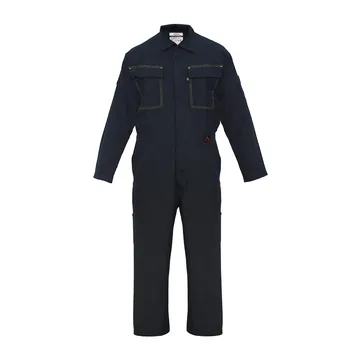
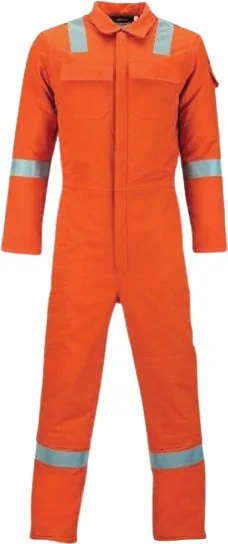
First choose the fabric. Inherent FR fabric is flame resistant because of the fibre itself, while FR treated fabric is cotton or a blend given a flame retardant finish, so follow its washing instructions to keep it effective. Karam's workwear is inherent FR fabric of 93% meta aramid, 5% para aramid and 2% anti static fibre. SafeEss offers both: FR treated fabrics such as Pyrovatex treated cotton and Proban treated fabric in 240 to 280 GSM, and inherently fire resistant fabrics such as aramid, modacrylic blends and Nomex or Kevlar blends in 150 or 180 GSM, so its inherent FR options are the lighter ones.
Then match the ratings to the hazard. Karam states its workwear to EN ISO 11612:2015 with codes A1, A2, B1, C1 and F1 for flame spread and convective, radiant and contact heat, to IEC 61482-2:2018 arc protection class 1 (4 kA) for arc flash, and to EN 1149-5:2018 for antistatic properties, for petrochemical and oil and gas plants where flammable chemicals and solvents are handled. SafeEss lists test reports to EN ISO 11612:2015 and NFPA 2112 for its FR range. A test report is not a certification, so if your site or client needs a specific certificate or arc rating, tell FPS before ordering and ask for the documents for the exact fabric.
Look at the details that keep the garment safe in use. Karam sews with FR thread in triple stitched overlocked seams and offers a concealed or brass front zipper, with or without high visibility reflective tape. SafeEss uses a central fire retardant brass zipper, adjustable cuffs with concealed steel or brass buttons, triple stitching with flame retardant thread and fire retardant silver or YSY reflective tape, and offers customisable designs in 7 colours.
For sizing, Karam lists S to XXXL. FR clothing should be loose enough to move in without snagging, fully closed at the front and cuffs, and worn over natural fibre clothing rather than synthetic layers that can melt. Share sizes and quantities when you enquire.