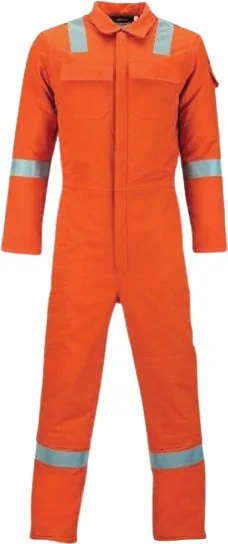
First choose between FR treated and inherently flame resistant fabric. Treated fabrics, Pyrovatex treated cotton and Proban treated fabric, get their flame resistance from a finish on the fabric; SafeEss states it lasts up to 50 industrial washes, and offers them in 240, 260 or 280 GSM. Inherently flame resistant (IFR) fabrics have the protection in the fibre itself, which the maker says lasts the life of the garment. These include modacrylic blends (50 to 55% modacrylic, 38 to 43% cotton, 10% para aramid and 2% antistatic fibre), aramid fabrics with para aramid and antistatic fibre, and Nomex or Kevlar blends, offered in 150 or 180 GSM. GSM means grams per square metre, the weight of the fabric.
Then match the test reports to your hazard. SafeEss lists test reports to EN ISO 11612:2015 with codes A1 B1 C1 F1 (clothing to protect against heat and flame: limited flame spread, convective heat, radiant heat and contact heat), EN 11611:2015 (protective clothing for welding and allied work), EN 1149-5:2008 (electrostatic properties of protective clothing), NFPA 2112 (flame resistant garments for industrial workers exposed to flash fire) and ISO 105 B02: 2014 (colour fastness to light). Ask for the reports for the fabric you choose if your site or client needs them.
Check the fittings: a central fire retardant brass zipper, adjustable cuffs with concealed steel or brass buttons so no metal faces the flame, triple stitching with flame retardant thread, and fire retardant reflective tape in silver or YSY at the shoulders, sleeves, back and shins. Colours are navy blue, royal blue, sky blue, green, red, grey and fluorescent orange.
This is industrial workwear for flame and heat hazards at work; the maker does not describe it as fire fighting gear. Prices are on request: call or WhatsApp +91 92440 89060.