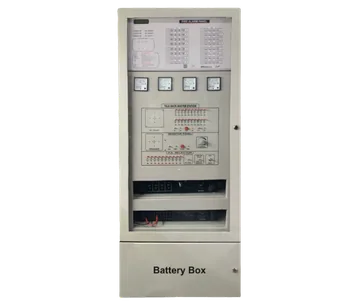
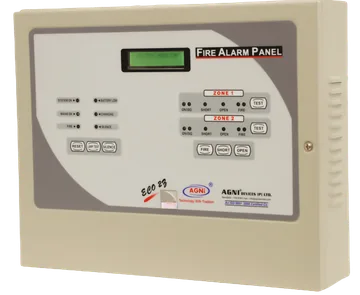
Start with the size of the building. A conventional panel divides the building into zones and shows which zone is in alarm; Agni suggests its Oriel and Eco panels for small commercial and residential buildings such as shops, offices, clinics, schools, warehouses and small industrial units. An addressable panel shows the exact device in alarm and suits larger sites.
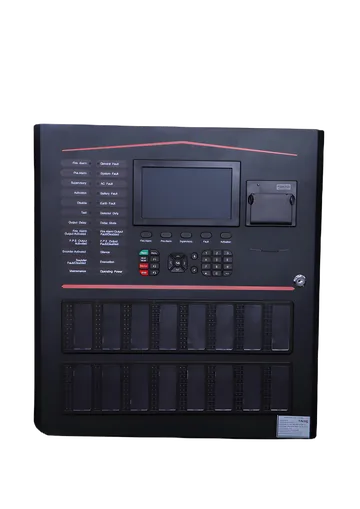
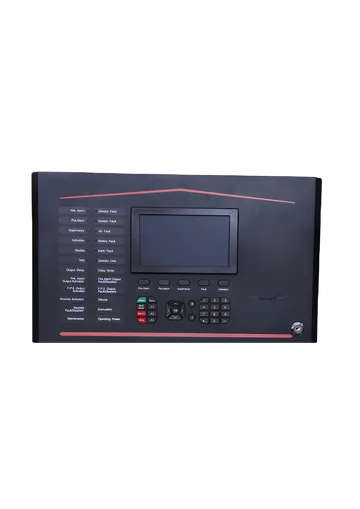
The FYRLAAST addressable panels come in 1, 2 and 4 loop versions, and each loop takes 254 detectors and devices in any combination (508 on the 2 loop panel, 1016 on the 4 loop panel). They have a 7 inch touch screen with keypad access, store 10,000 events in non-volatile memory, network up to 512 nodes and support up to 8 repeater panels. They can work with Modbus, BACnet, TCP/IP and a graphic interface, which lets building management software read the panel, and a panel printer is optional.
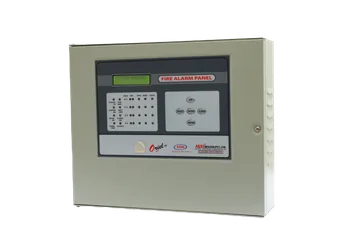
The Oriel and Eco conventional panels share the same listed features: a 2 x 16 character backlit LCD, LCD and LED indication of open circuit, short circuit, isolate and fire for each zone, up to 25 detectors per zone, a lamp test, and NO / NC (normally open and normally closed) contacts for fire and fault. They comply with IS 2189:1999 and 15908:2011, the Indian Standards for fire detection and alarm systems, and are tested by ERTL (N). The Oriel series comes in 2, 4, 6 and 8 zone versions and the Eco series in 2 and 4 zone versions, and Agni also lists an Oriel panel with a PA system.
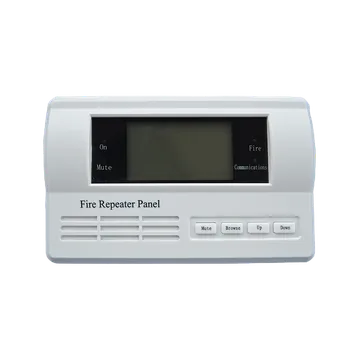
A repeater panel shows the main panel's status at a second point, such as a reception or security cabin. The FYRLAAST active repeater has a 7 inch touch screen and keypad with controls for reset, accept, mute and silence alarm, while the passive repeater shows status on an LCD. FPS will size the system with you and give a price on request.