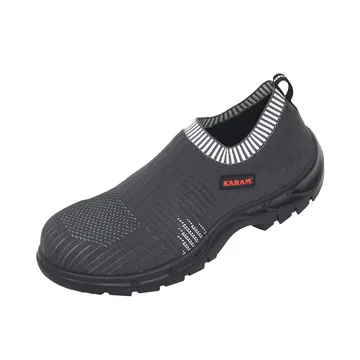
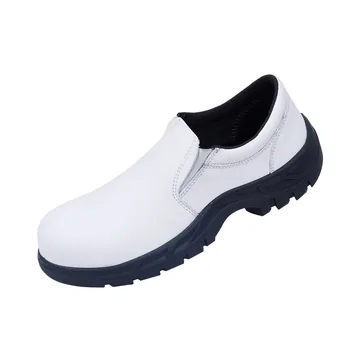
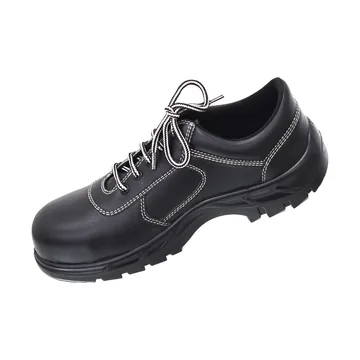
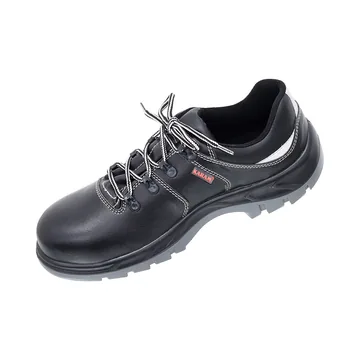
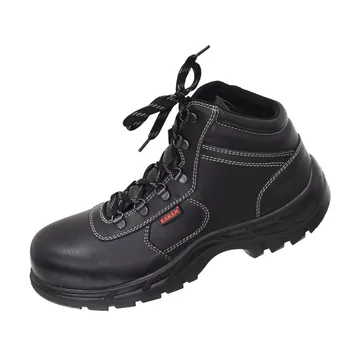
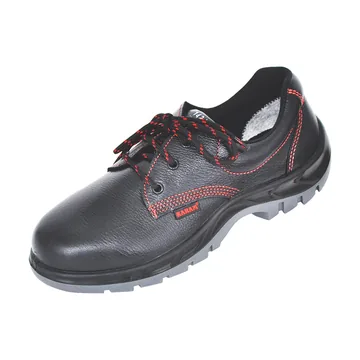
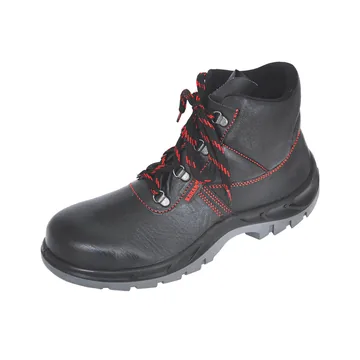
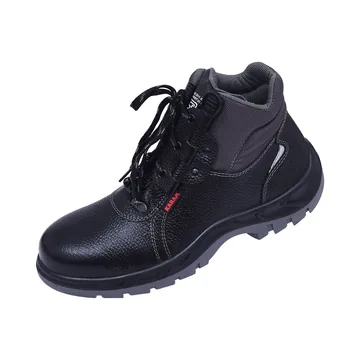
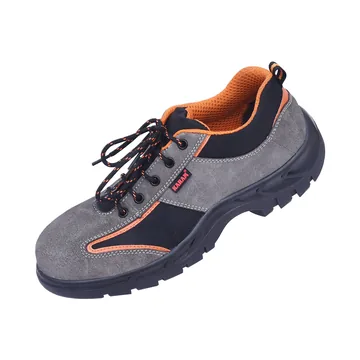
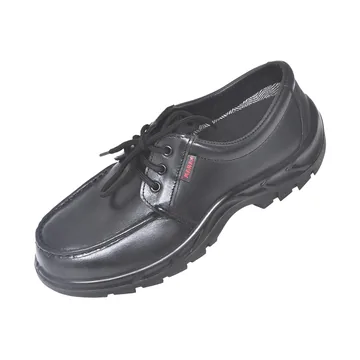
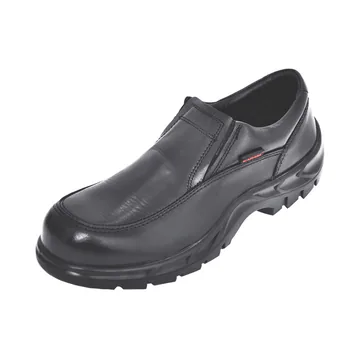
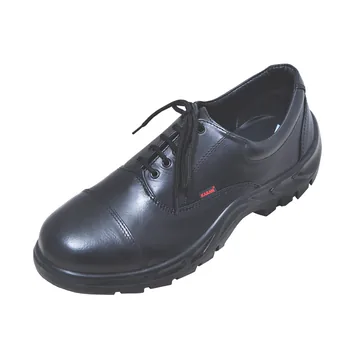
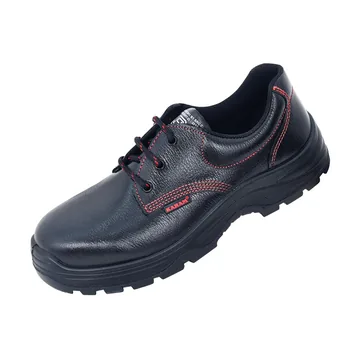
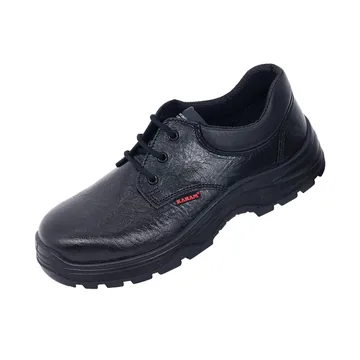
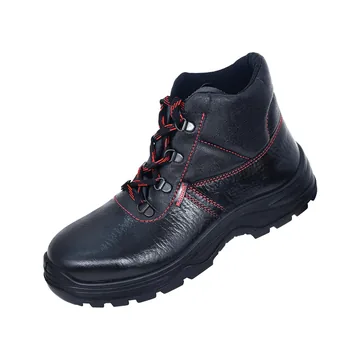
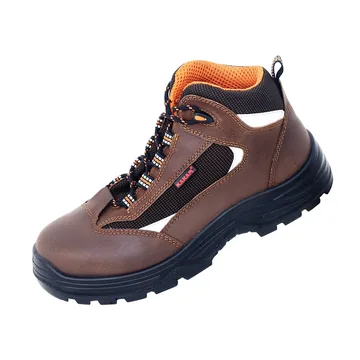
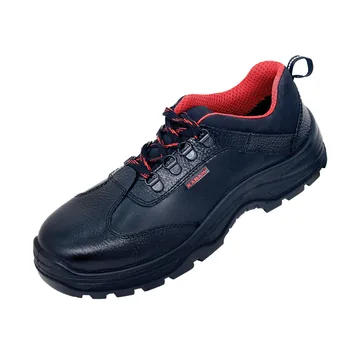
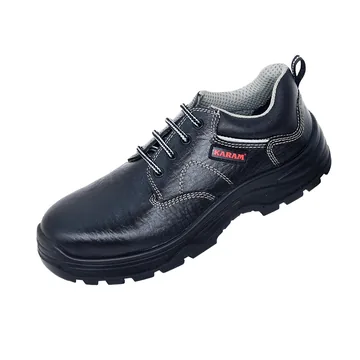
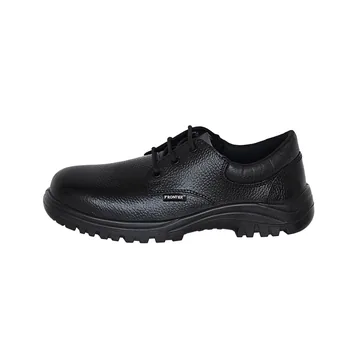
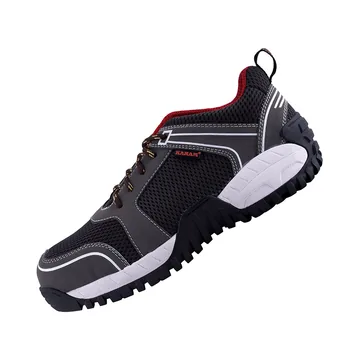
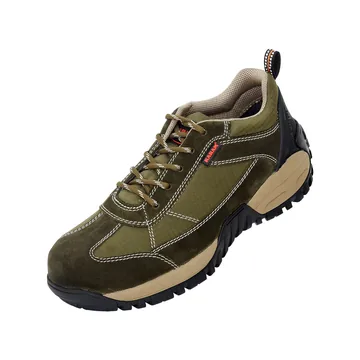
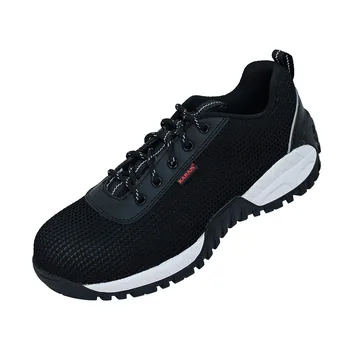
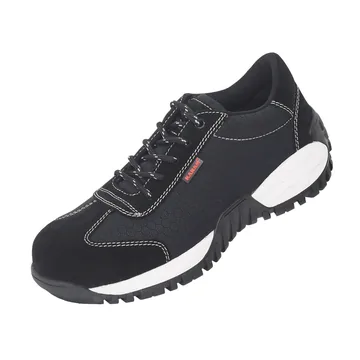
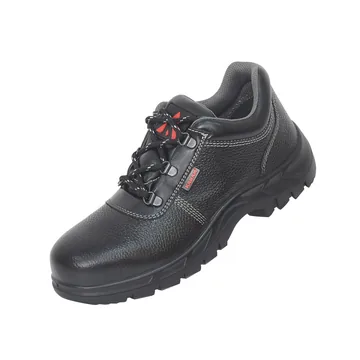
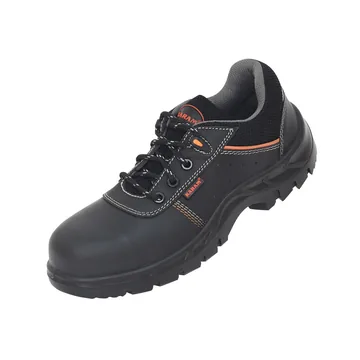
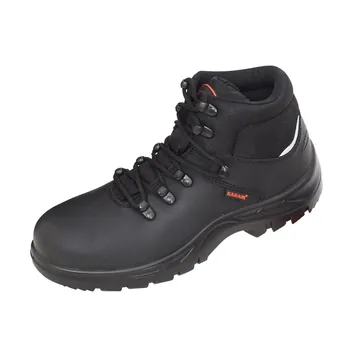
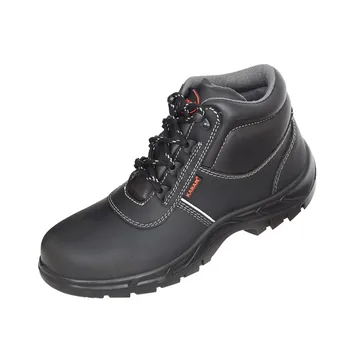
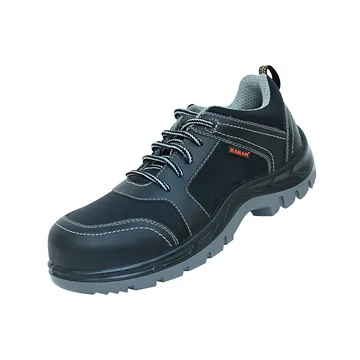
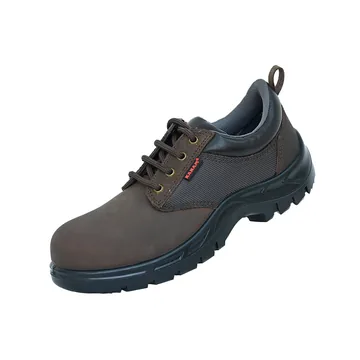
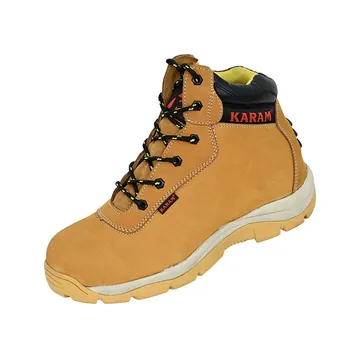
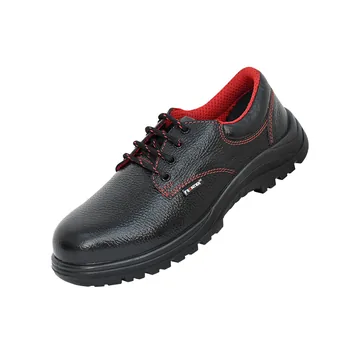
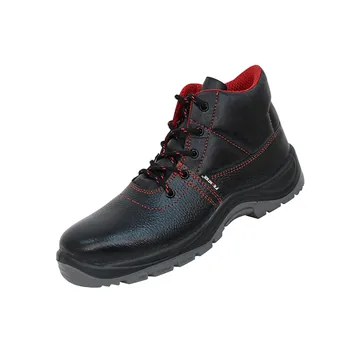
Start with the protection level. Most Karam shoes here are stated to EN ISO 20345, the international standard for safety footwear with a protective toe cap, and to IS 15298, the Indian safety footwear standard. S1 means the shoe has a toe cap, a closed heel, an antistatic sole and energy absorption at the heel. S1P adds puncture resistance in the sole (FS65, FS71, FS72, FS73 and FS100). S2 adds an upper that resists water (the ABAWRF range). Extra letters show added tests: CI is cold insulation and HI heat insulation of the sole, SRC is the slip resistance marking for tile and steel floors, and HRO means a heat resistant outsole for contact with hot surfaces.
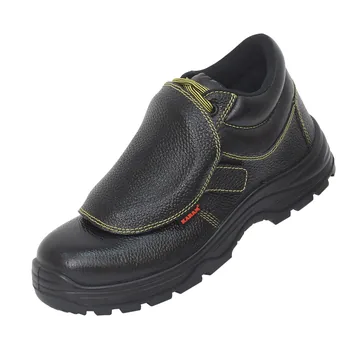
Next, choose the toe cap. Many leather models have a carbon steel toe cap. Others use a high strength polymer composite toe, which has no metal; Karam lists several fully metal-free shoes, including the Flytex range, FS73, FS249BL, FS251, FS226 and the metatarsal guard shoe, which suit telecom, transmission, electronics and pharmaceutical work. Where heavy objects can land on the top of the foot, the FS253(MT)(RO) adds a non-metallic metatarsal guard.
Then look at the sole. Single density PU soles are light and absorb shock. Double density PU/PU and PU/TPU soles are built in two layers, a cushioning layer and a harder wearing outsole. For hot work, the RO range, the FS253(MT)(RO) and the FS246CML desert boot have nitrile rubber outsoles that Karam states for hot surfaces up to 300 degrees C for one minute, and the FS51 rigger boot is stitched with fire retardant thread for hot surfaces up to 120 degrees C.
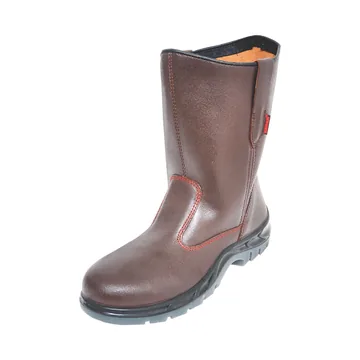
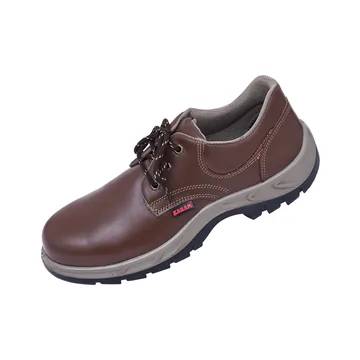
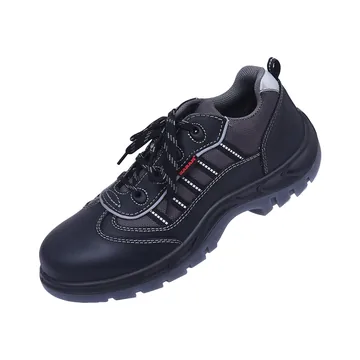
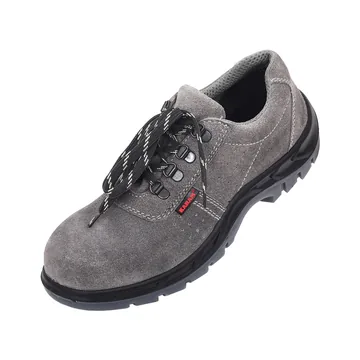
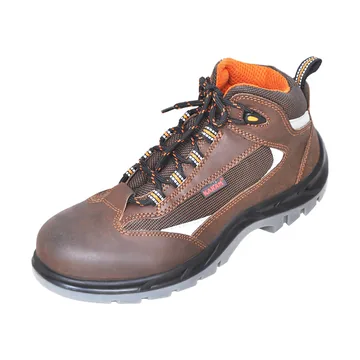
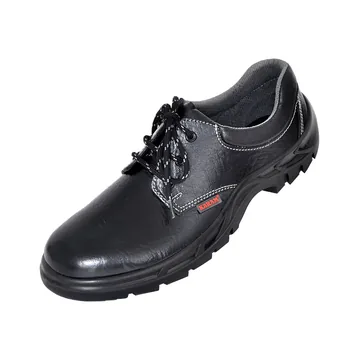
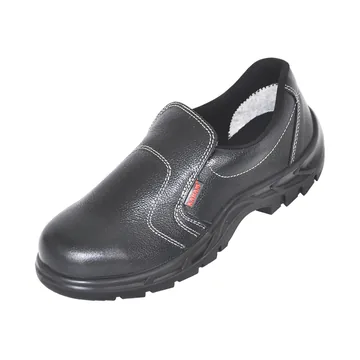
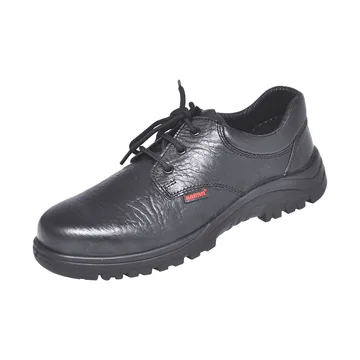
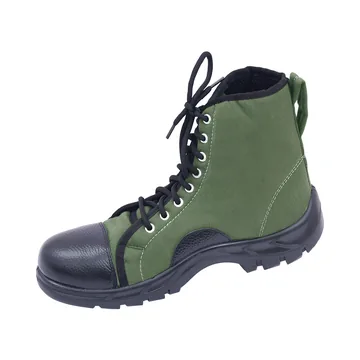
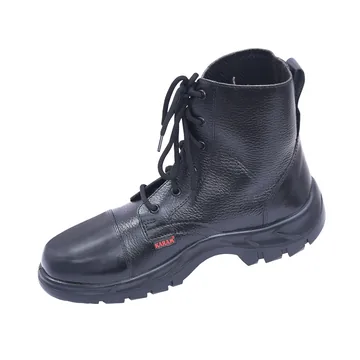
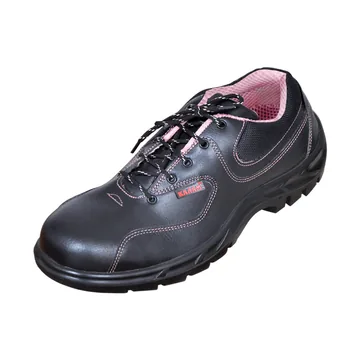
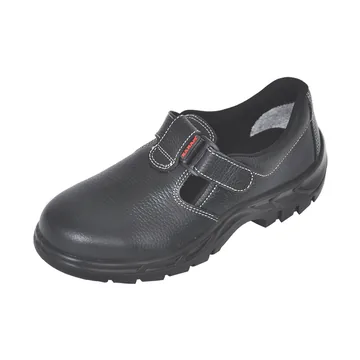
Finally, pick the height and fit. Design A is a low shoe, Design B an ankle boot, and Design C a higher boot such as the FS51 rigger. Choose slip-on or lace-up, and for women there are the slimmer FS100 and FS101. Most leather and Flytex models are listed in sizes 3 to 13. Prices are on request: call or WhatsApp +91 92440 89060.