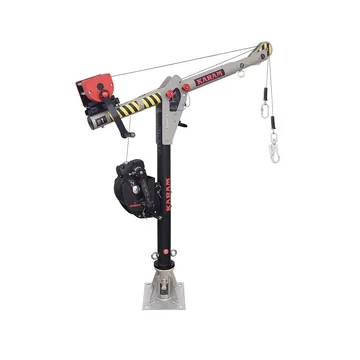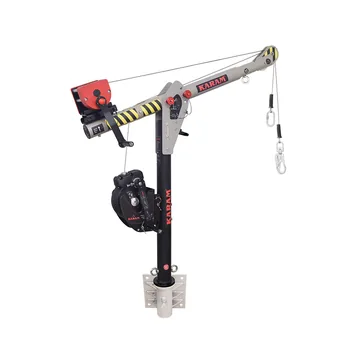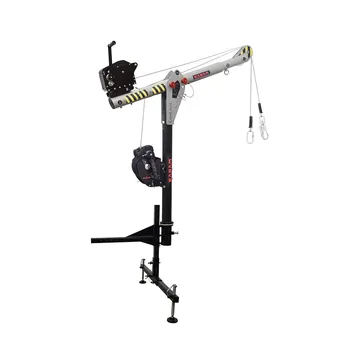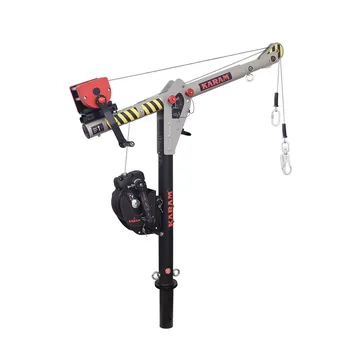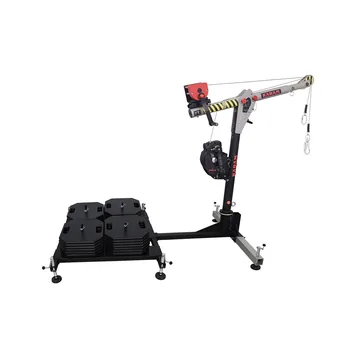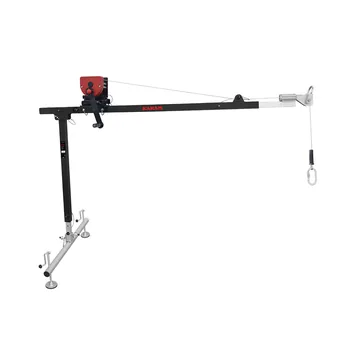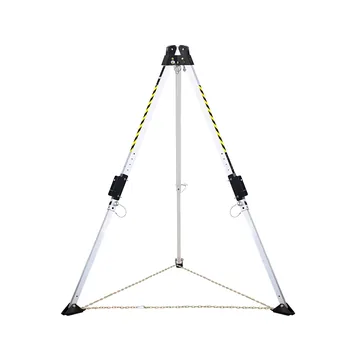
Karam Megapod, Aluminium Confined Space Anchor
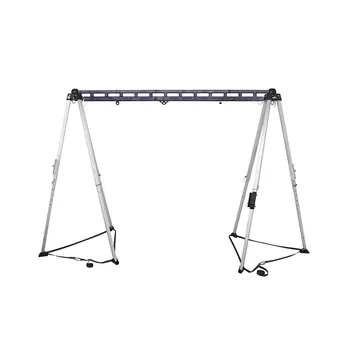
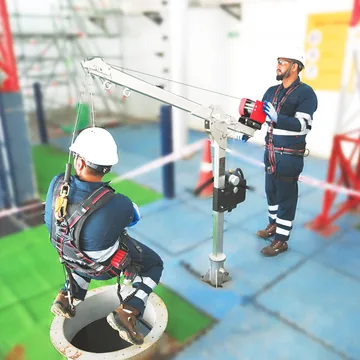
A light aluminium overhead anchor for confined space entry and rescue that one worker can often set up, with telescopic legs and ready fitted mounts for winches and retrieval blocks.
Fire Protection System (FPS), a Karam supplier in Bhopal, supplies Karam tripods, megapods, davits and winches for confined space entry, rope access descenders, rope clamps and pulleys, rescue devices and ready made kits across Madhya Pradesh.
A light aluminium overhead anchor for confined space entry and rescue that one worker can often set up, with telescopic legs and ready fitted mounts for winches and retrieval blocks.
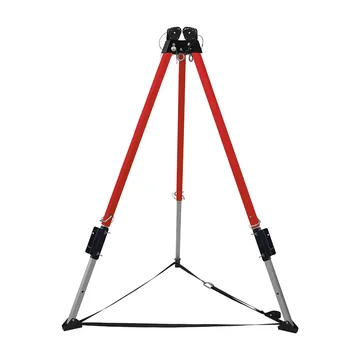
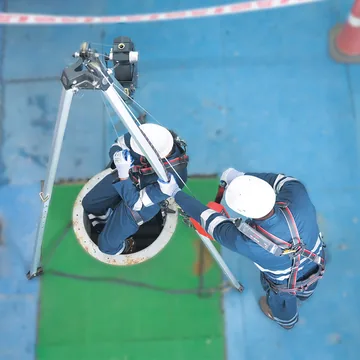
A portable tripod that gives an overhead anchor for entry, exit and retrieval at manholes, tanks and deep utility areas, with a cast aluminium head carrying two pulleys for the winch and block lines.
Built for entry, rescue and lifting at confined spaces with larger openings below ground level. A mobile roller pulley with a stopper lets the anchor point be set right above the user, and the Hexapod suits two person rescue.
Sizes: PN900(06), PN900(07)
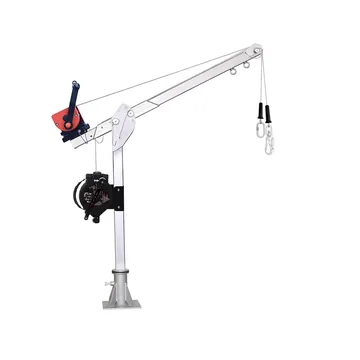
A stainless steel cantilever anchor that swivels a full circle on its mounted base, with three arm heights for spaces with low roof clearance. It can be installed on a floor, a wall or a vehicle top using special brackets.
A portable davit that breaks down into five parts for storage and transport and goes together without tools. It has foldable legs, three arm heights and a column that swivels under load.
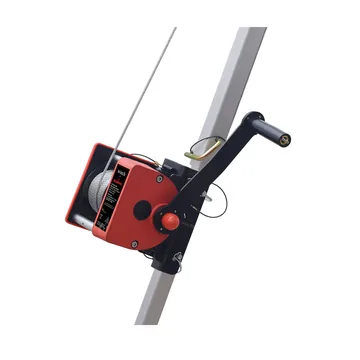
Manual winches for raising and lowering a person or material through a manhole, tank or other confined opening, on 4.8 mm galvanized steel wire rope. PN801(DP) and PN801(40)(DP) end in a steel screw locking karabiner PN112; PN817(DP) ends in a steel swivel snap hook PN162.
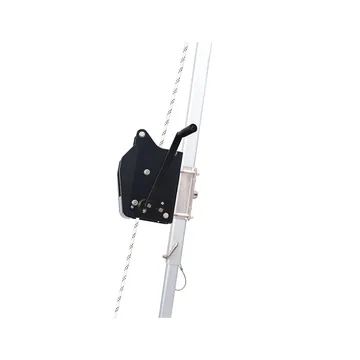
The PN818 winch for raising and lowering people or material in confined spaces, with three line choices: 10.5 mm kernmantle rope, 6.0 mm galvanized steel wire rope or 6.0 mm synthetic rope.
A davit fixed to a concrete or metal floor beside a confined space opening, giving a fixed overhead anchor for entry, retrieval and material handling.
A davit fixed to a concrete or metal wall, for confined space openings next to a wall where an overhead anchor is needed for entry and rescue.
A portable davit that fits a 2 inch (51.0 mm) vehicle tow hitch receiver, giving an anchor for confined space entry, retrieval, rescue and fall arrest where there is no overhead structure.
A davit that sits in a dedicated core sleeve set into concrete or a preformed casting, for large confined space openings, with a swivel mast that turns under load.
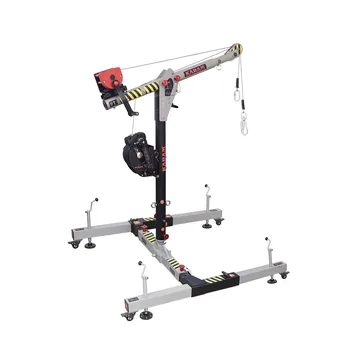
A free standing davit held steady by a trolley loaded with heavy weight plates, for confined space access and retrieval where no fixed anchorage point is possible.
A light davit for confined spaces with limited overhead clearance, usable for vertical and horizontal entries, with three height points and an extra anchor point for side entry.
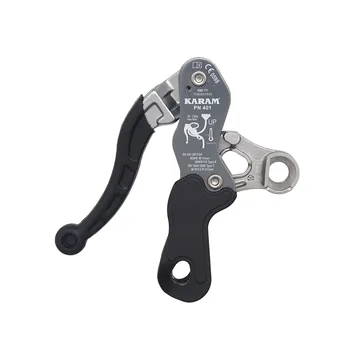
An aluminium descender for controlled rope descent. The cam grips the rope firmly, and the self braking action engages if the handle is let go or squeezed too hard.
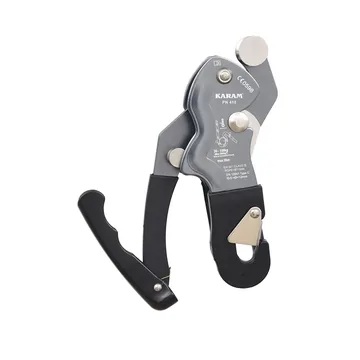
A self braking rope device for both controlled ascent and descent in rope access, rescue, climbing and caving, with a safe locking eye that keeps the rope from slipping out.
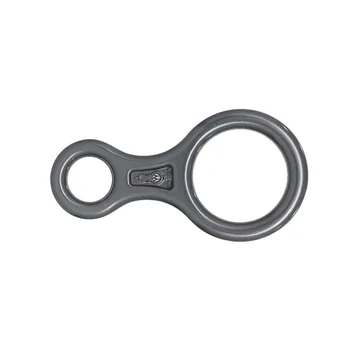
The classic figure 8 for belaying, lowering and controlled descent. The rope passes through the central hole and the user sets the speed by holding tension on the brake strand.
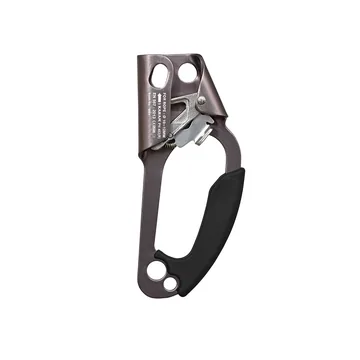
A hand rope clamp that grips the rope in one direction for ascent or hauling, in right hand and left hand versions, used in rope access, rescue, climbing, caving and mountaineering.
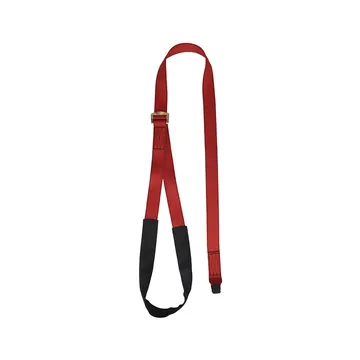
A polyester webbing foot loop used with an ascender to give a stable step while climbing a rope, adjustable in length with combination buckles.
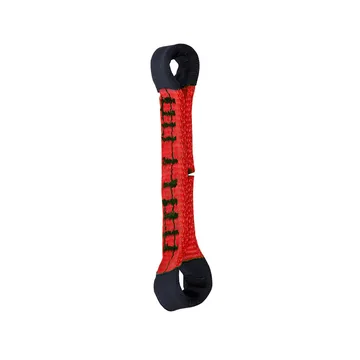
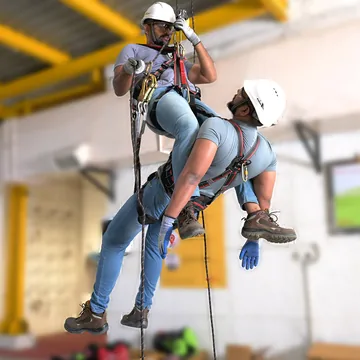
A short polyester webbing link with a loop at each end that keeps a rescuer and casualty connected harness to harness during a rope rescue.
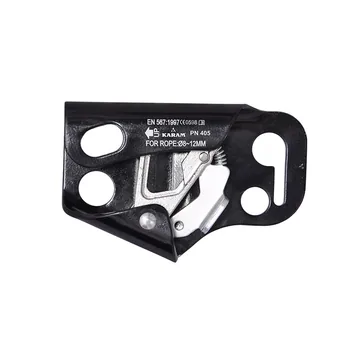
A compact rope clamp that connects to the harness with a webbing strap or connector and locks under load on kernmantle rope in one direction, for climbing, caving and rescue.
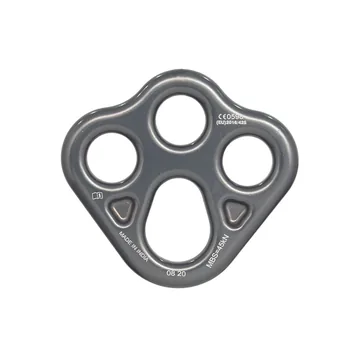
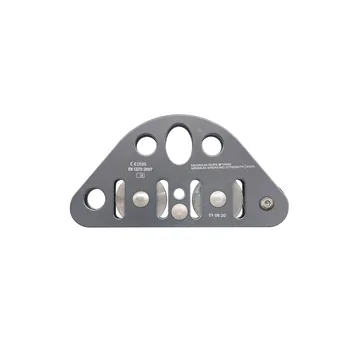
An aluminium plate that spreads connections from one anchor in different directions, keeping multi line rope and rescue setups tidy. Two sizes: PRP01 (53.5 gms) and PRP02 (210.0 gms).
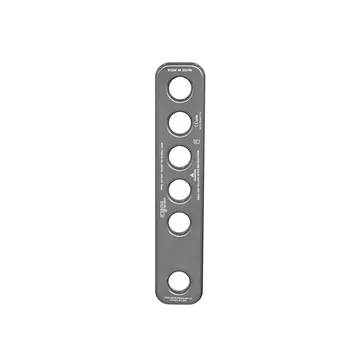
A six hole aluminium anchor for ending a textile rope lifeline without knots, splicing or swaging. The top hole connects to the anchorage and the rope is threaded through the others.
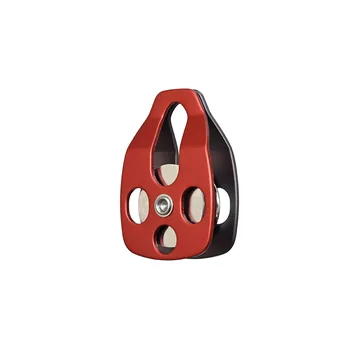
Single sheave pulleys with a fixed attachment on one side, for redirecting rope up to 16 mm in rescue and rigging systems. Four builds: aluminium, aluminium on ball bearing, stainless steel sheave on dry bearing, or stainless steel on ball bearing.
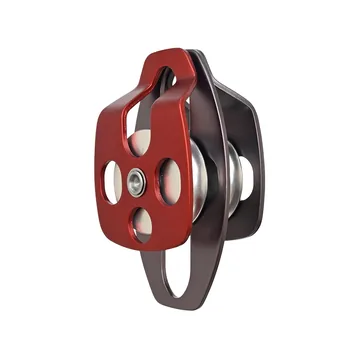
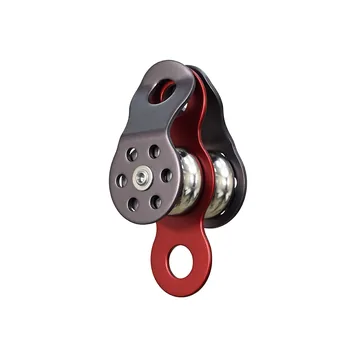
Two sheave pulleys for hauling systems and rope direction changes where more mechanical advantage is wanted, for 16 mm rope. The plain aluminium AP013 has a single side attachment; the BB, SS and SS BB versions have two side attachments.
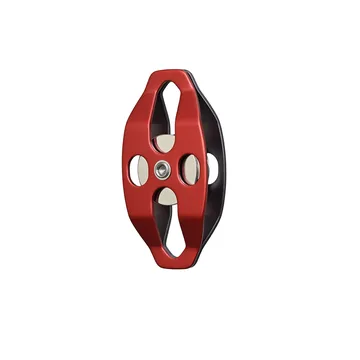
Single sheave pulleys with attachment points on both sides, giving more ways to mount the pulley and change rope direction, for 16 mm rope.
Two large stainless steel sheaves in line between aluminium side covers, rated 45 kN, for heavier hauling and rigging on 16 mm rope. Certified to EN 795:2012 Type B as well as EN 12278:2007.
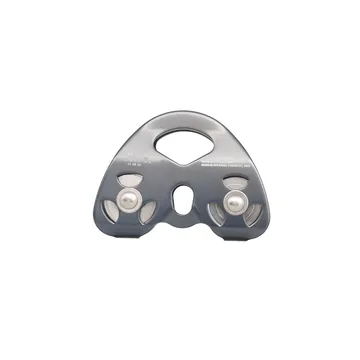
A compact tandem pulley for 12 mm rope with two small stainless steel sheaves, rated 45 kN, for rope access, rescue and climbing systems.
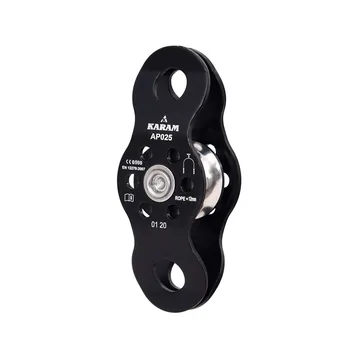
A light double pulley for 12 mm rope with stainless steel sheaves on ball bearings and attachment points on both sides, for lifting, rigging and hoisting systems.
A small single pulley for 12 mm rope with a stainless steel sheave on a dry bearing that needs no regular lubrication, and attachment points on both sides.
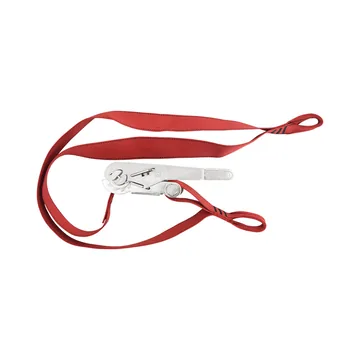
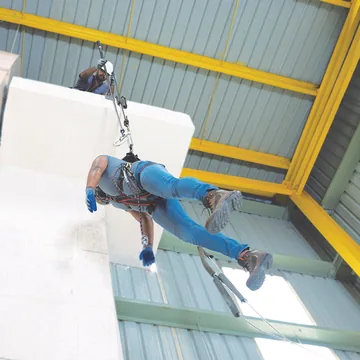
A ratchet device for lifting a worker who is hanging in a harness after a fall. One loop goes to the structure, the other to the casualty, and the ratchet hauls in steps without slipping back so the primary lanyard can be released.
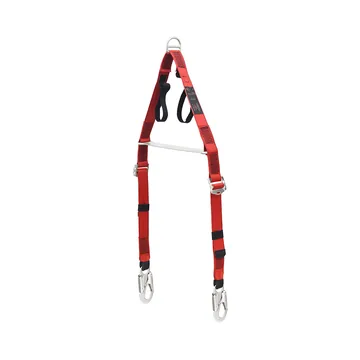
A galvanized steel spreader bar used with a Karam harness to raise or lower a person during rescue, with webbing loops to secure the casualty's arms.
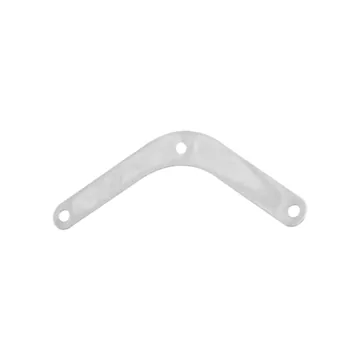
An optional galvanized steel spreader bar for the Karam pilot chair (IMP005) that holds the legs apart for a better working posture.
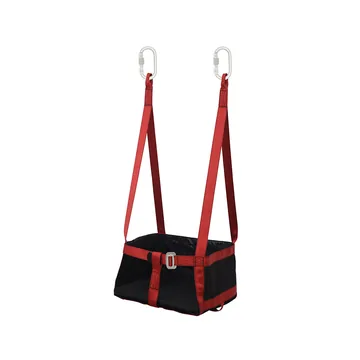
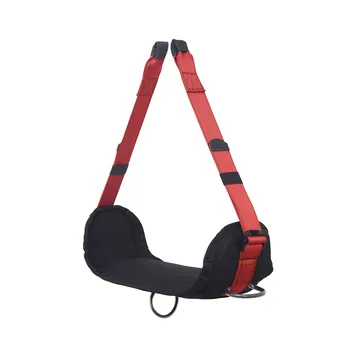
An ergonomic, comfortable working chair for jobs done during vertical ascent and descent, with a spreader bar available as an option.
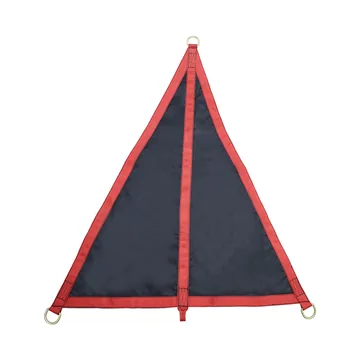
A rescue triangle that is fitted to a seated or standing injured person and supports the whole body during evacuation, with three metal D-rings for attachment.
A light, aluminium reinforced work seat for long hours suspended at height, clipped to the waist level (ventral) D-ring of Karam harnesses such as Magna 3, PN56 and PN57.
Sizes: 8.0ft.
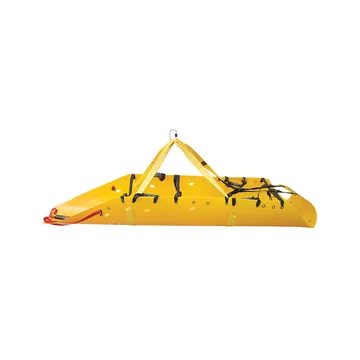
A yellow polyester recovery stretcher, 8.0 ft long, that can be used vertically or horizontally to move a casualty, with a head position marking and printed instruction and inspection labels.
A ratchet pulley for setting up a temporary vertical lifeline, with the ratchet pulley at one end and an anchorage pulley at ground level, on 10.5 mm kernmantle rope. Used on telecom and electrical towers.
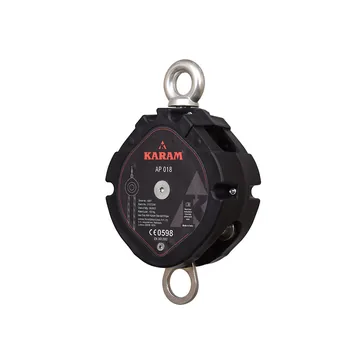
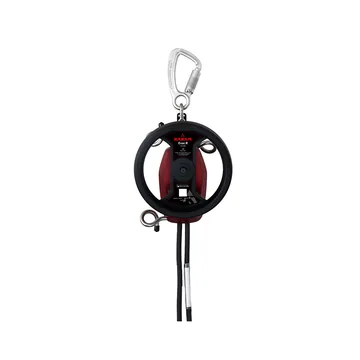
A rope rescue and access device with an automatic, redundant brake that takes up to three users and can be driven with an electric screwdriver for high ascents.
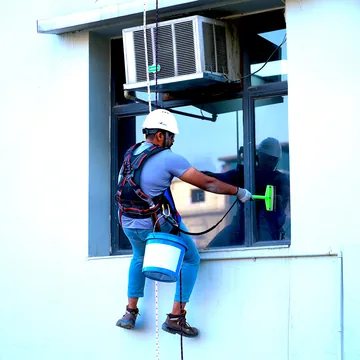
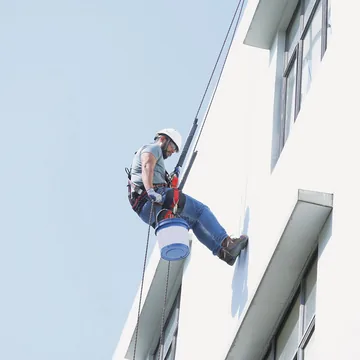
A ready kit for cleaning and maintenance staff who work suspended at height on buildings, packed in a carrying bag, with rope length chosen to suit the building.
An all in one rope access rescue kit for reaching a worker left suspended at height after a fall, so the team can respond straight away.
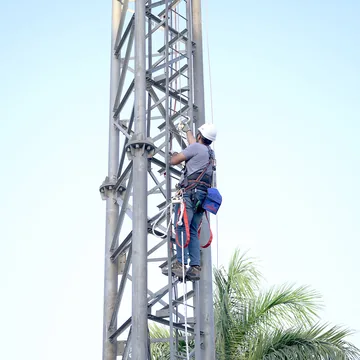
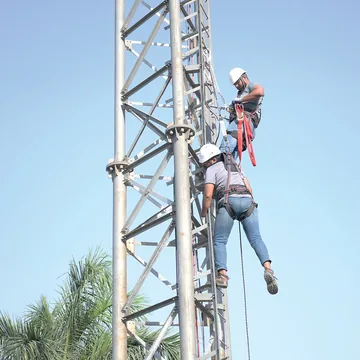
Climbing and safety items for telecom tower crews in one kit, in a packable bag for carrying to remote tower sites.
A confined space entry and exit kit built around the Karam cantilever K-Pod, for lowering and retrieving workers at tanks, manholes and underground chambers.
A tripod based kit for lifting and lowering people and material in and out of confined spaces, supplied in a sturdy carrying bag with slings.
A kit for rescuing a suspended casualty from a safe distance, without the rescuer having to go down to the victim, using a 3 m telescopic rescue pole.
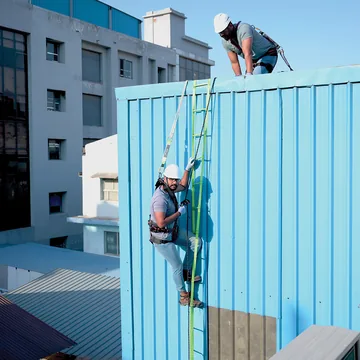
A post fall rescue kit with a 6 metre ladder that lets a suspended worker climb back to footing while the rescuer takes in rope slack through a rope grab.
A fall arrest and rescue kit for work on high rise towers, with larger hooks for anchoring and lanyards that adjust quickly.
Fall protection kits for painters working on building exteriors and facades. The Essential kit (PN667) covers fall protection; the PN667(P) version adds ergonomic accessories for long working hours.
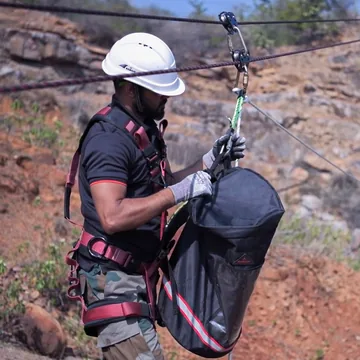
A ready to use kit for setting up a stable zip line route, for climbers, mountaineers, adventure crews and rescue teams.
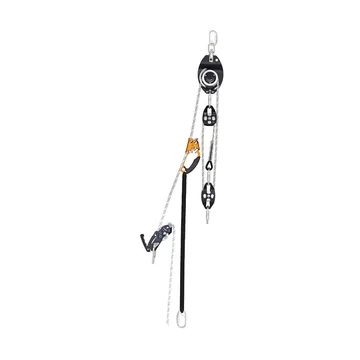
A pre-assembled hauling system with a 3:1 or 5:1 ratio that lets one person lift or lower loads, built from aluminium and steel with abrasion resistant kernmantle rope.
For confined space entry, start with the overhead anchor. A tripod (PN800(DP)) or the lighter aluminium Megapod (SA17) stands over a manhole or tank opening; the Hexapod (SA43) covers larger openings below ground and two person rescue. Where a tripod will not fit, choose a davit: floor mounted (DA02), wall mounted (DA03) or flush mounted in a core sleeve (DA06) for fixed points, the portable H-Base (DA01) or Extendable Pole Hoist (DA08), the vehicle Hitch Mounting Davit (DA05), or the Dead Weight Davit (DA07) where nothing can be fixed. The Cantilever K-Pod (PN900) swivels a full circle and mounts on a floor, wall or vehicle. On these, EN 795 is the European standard for anchor devices: Type A is fixed to the structure, Type B is a transportable temporary anchor, and Type E is a dead weight anchor.
Then add the lifting device. Karam winches are stated to EN 1496:2017, the European standard for rescue lifting devices: the PN801 and PN817 winches (Class A) use 4.8 mm galvanized steel wire rope, and the PN818 winch (Class B) comes with 10.5 mm kernmantle rope (a rope with a load bearing core inside a woven sheath), 6.0 mm galvanized wire rope or 6.0 mm synthetic rope. Many items also list ATEX 2014/34/EU, the EU directive for equipment used in potentially explosive atmospheres. Retrieval fall arrester blocks, which combine fall arrest with a winch, are on the Karam fall arresters page.
For rope access, descenders are stated to EN 341 (descender devices for rescue) and EN 12841 Type C (rope access descent devices): the self braking Grip Descender and Descender Jumper, and the Figure of 8. Rope clamps are stated to EN 567:2013 and EN 12841 Type B (rope access ascent devices). Pulleys are certified to EN 12278:2007; choose them by rope diameter (16 mm or 12 mm), single, double or tandem sheaves, sheave material (aluminium or stainless steel) and bearing (ball bearing or dry bearing).
For rescue, Karam offers the Evac-R device for up to 3 users, a ratchet hauling system, an evacuation triangle, a recovery stretcher, spreader bars and work seats, plus ready made kits for confined space entry, tower climbing, painting, window cleaning and rescue. Rescue equipment should be used by trained people following Karam's instructions. Prices are on request: call or WhatsApp +91 92440 89060.
Try "landing valve", "Apollo call point", "9 kg ABC" or a model code.
No products yet. Tap "Add to quote" on any product, then send the whole list to us in one WhatsApp message.