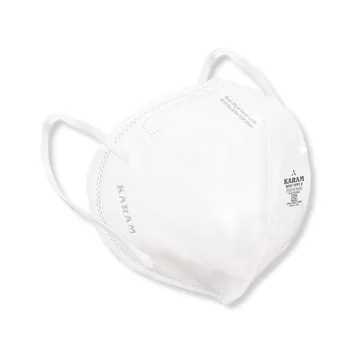
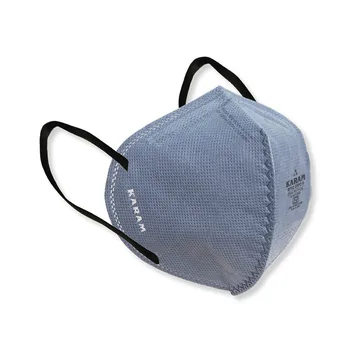
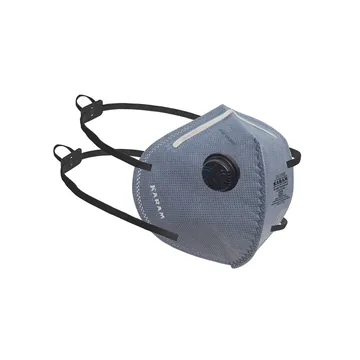
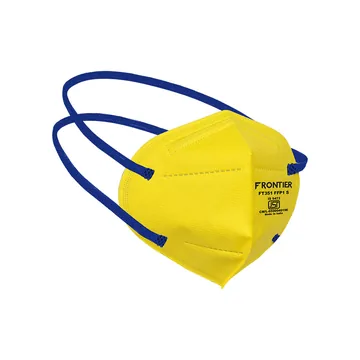
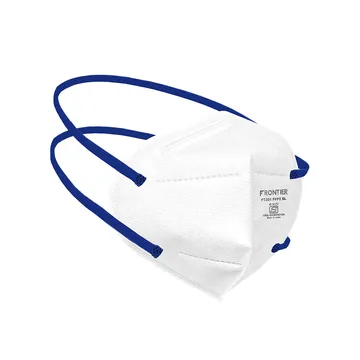
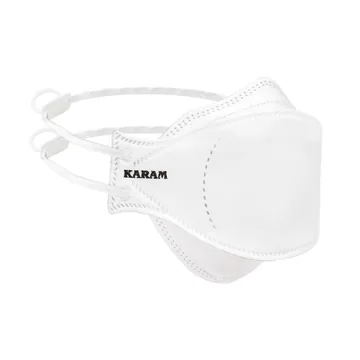
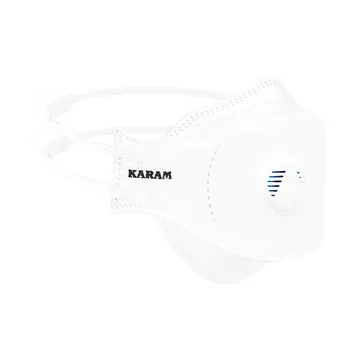
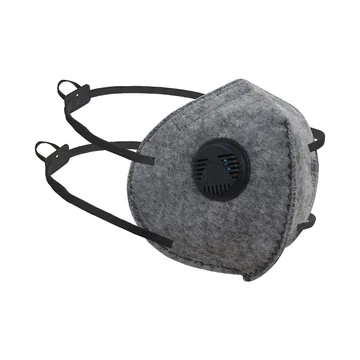
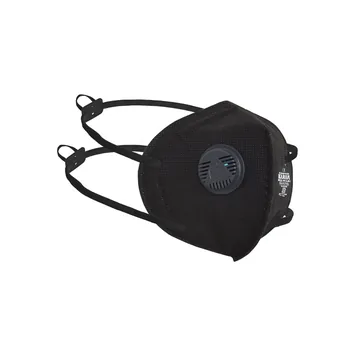
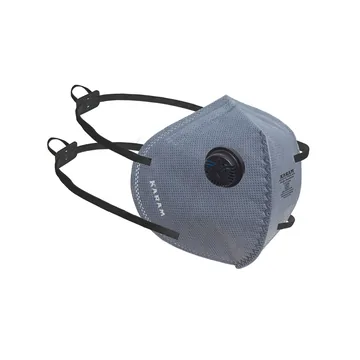
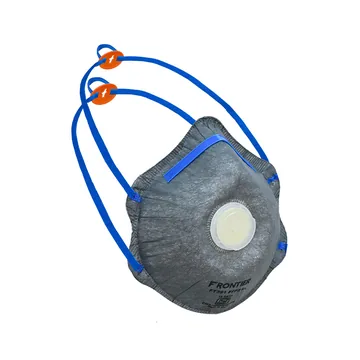
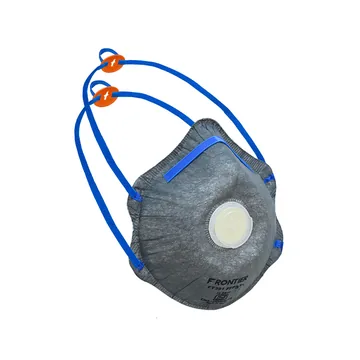
Start with the filter class. FFP means filtering facepiece, a disposable mask where the mask itself is the filter. FFP1, FFP2 and FFP3 are rising levels of protection against particles: the data Karam gives for its masks lists the standard's requirement as 80% for FFP1, 94% for FFP2 and 99% for FFP3. The higher the class, the larger the share of particles the mask is made to stop, so pick the class your site safety rules or risk assessment call for.
Next, read the letters after the class. S means the mask is for solid particles, while SL covers both solid and liquid particles such as mists. NR means non-reusable, so the mask is for a single shift. D means the mask has passed the dolomite dust clogging test, so it keeps breathing resistance down in dusty work. All Karam respirators here are stated to IS 9473:2002, the Indian standard for filtering half masks against particles, and several are also stated to EN 149:2001+A1:2009, the matching European standard.
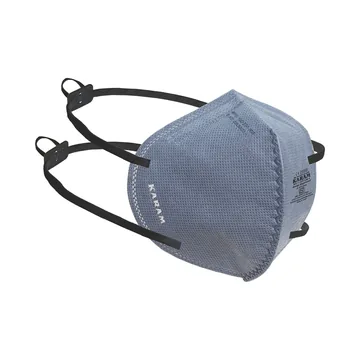
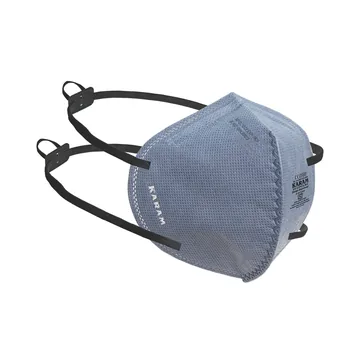
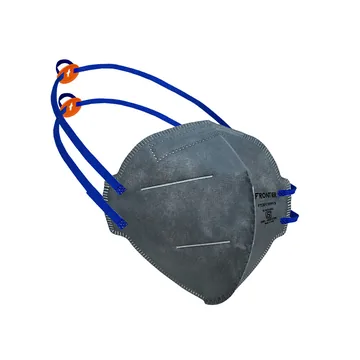
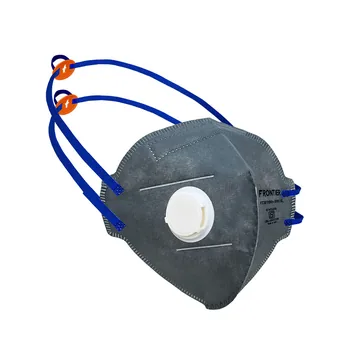
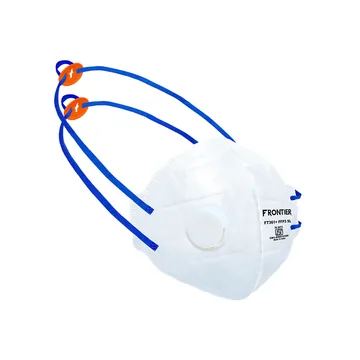
Then decide on a valve and a strap. An exhalation valve is a one-way valve that lets breath out easily, so the mask stays cooler and drier on long or hard shifts; most Karam lines come with or without one. Ear loops are quick to put on, while headbands, especially those with an adjuster, hold the mask closer to the face during movement. For welding fumes, choose a model with a flame retardant outer layer and activated carbon pre-filter (FT361(P2)(OV)+ or RFH32+OV). For paint and organic vapours, look at the RFH22+OV or RFH42+OV, which add an activated carbon layer.
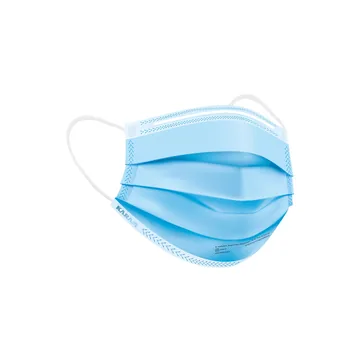
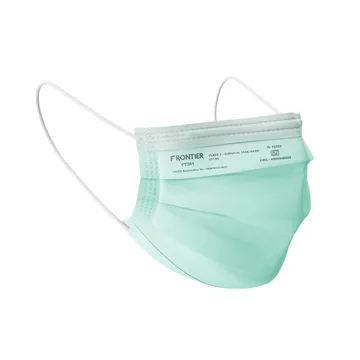
Surgical masks (RFM50, RFM51 and Frontier FT381) are made to IS 16289:2014 for medical and hygiene use and are not particle respirators to IS 9473:2002. Prices for all Karam respiratory protection are on request: call or WhatsApp +91 92440 89060.