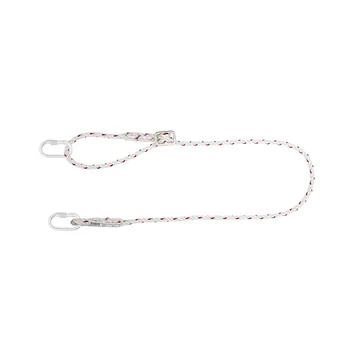
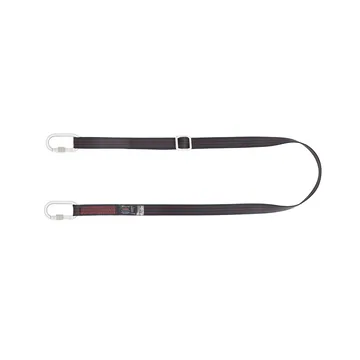
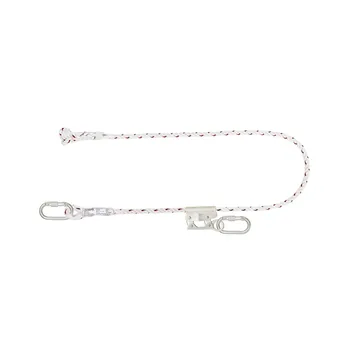
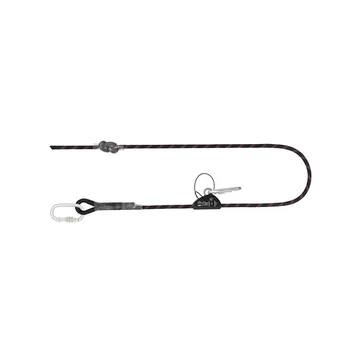
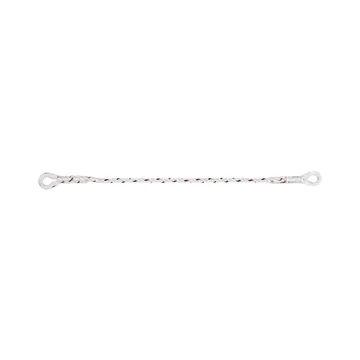
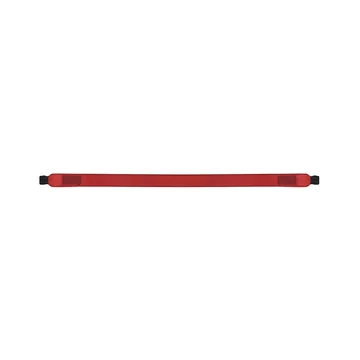
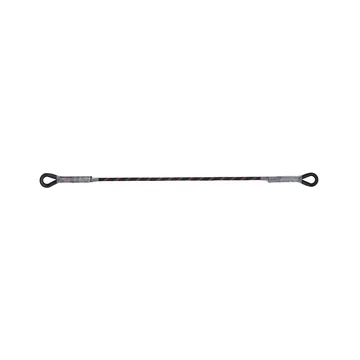
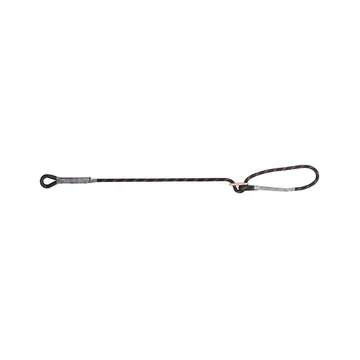
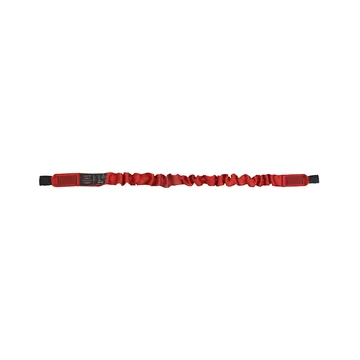
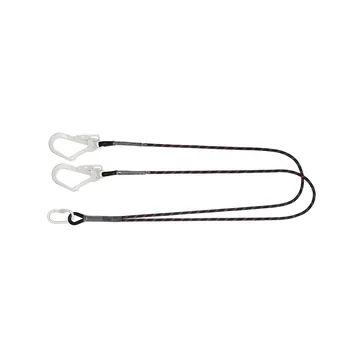
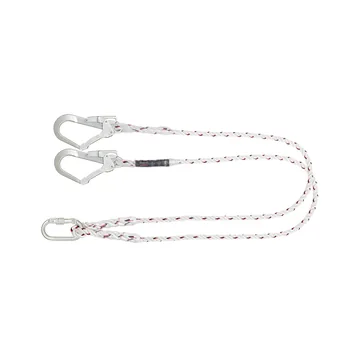
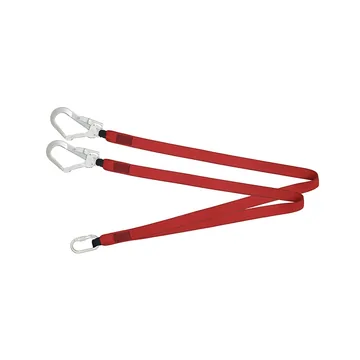
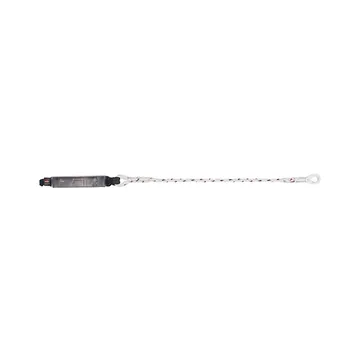
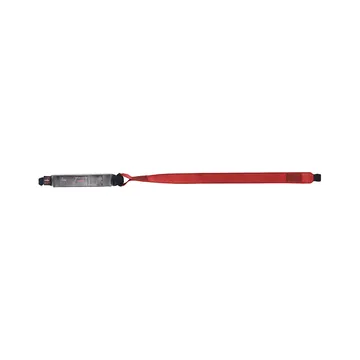
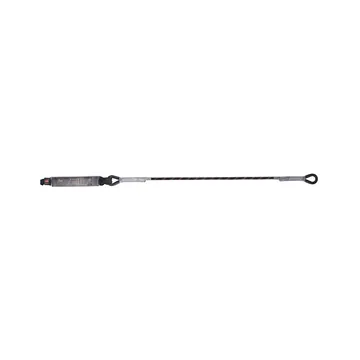
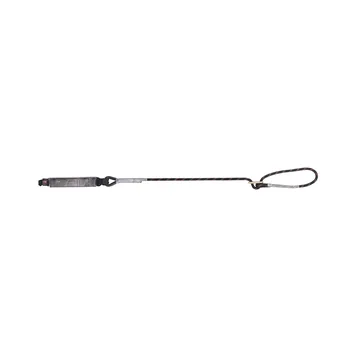
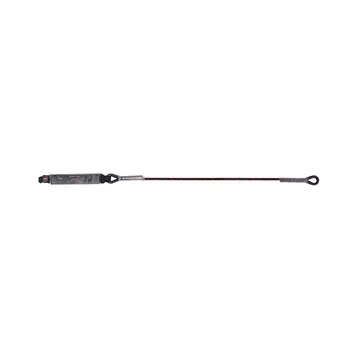
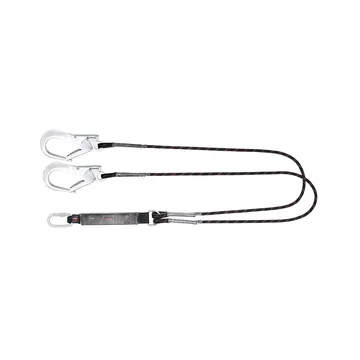
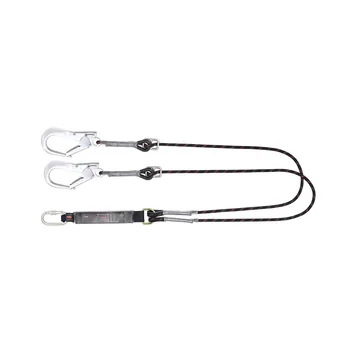
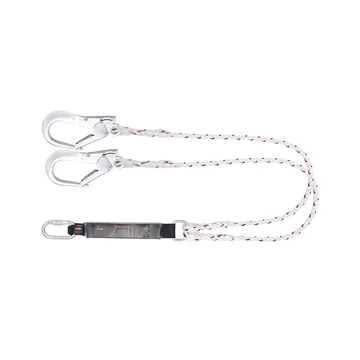
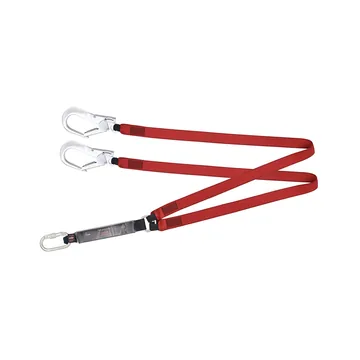
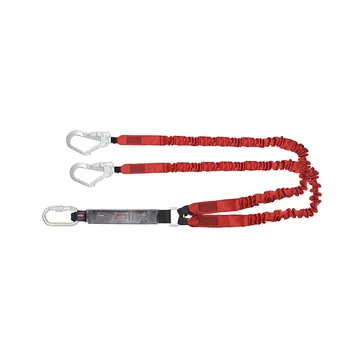
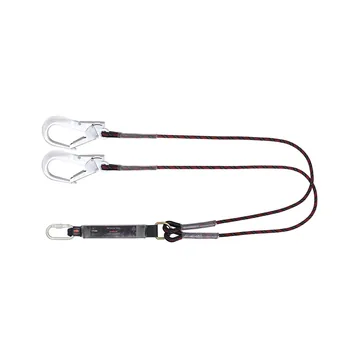
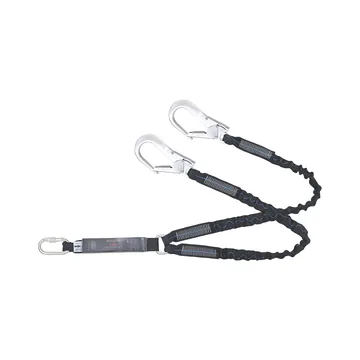
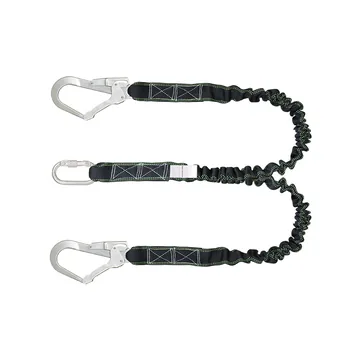
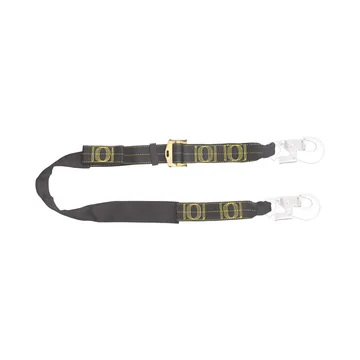
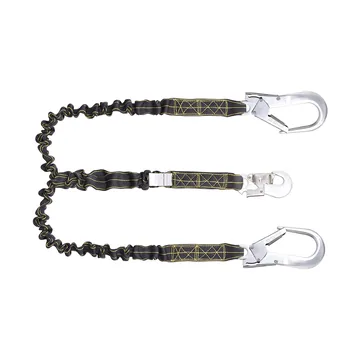
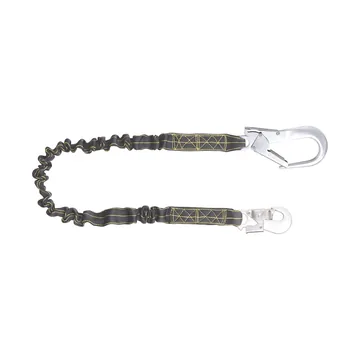
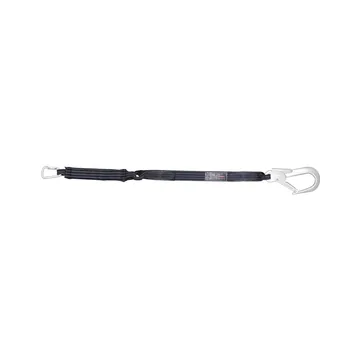
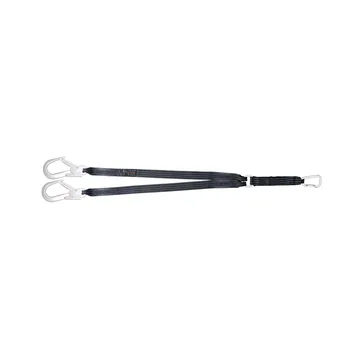
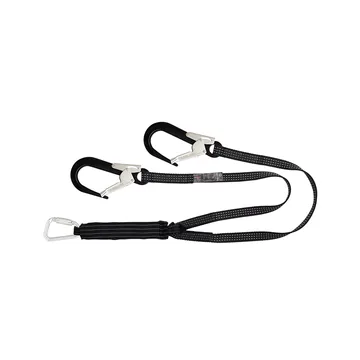
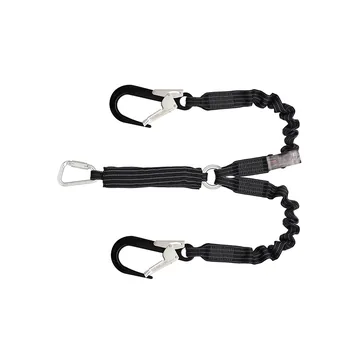
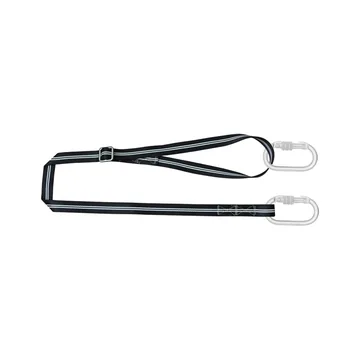
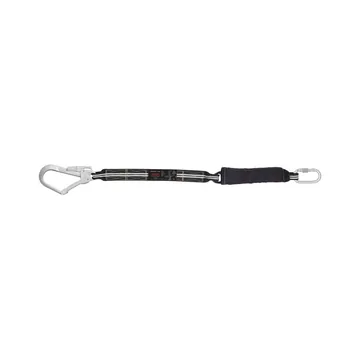
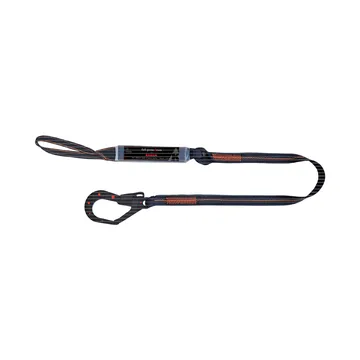
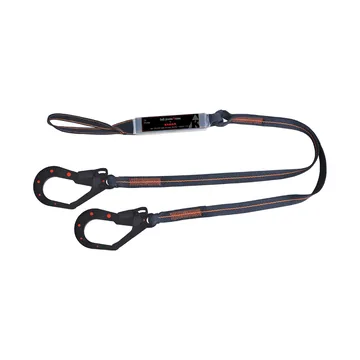
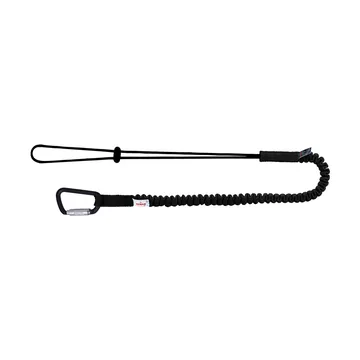
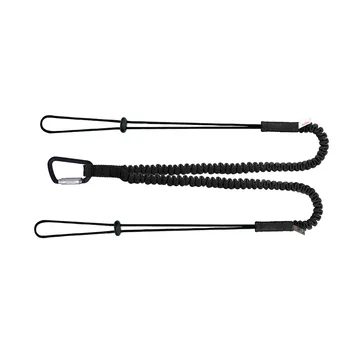
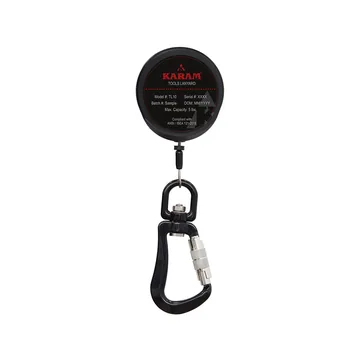
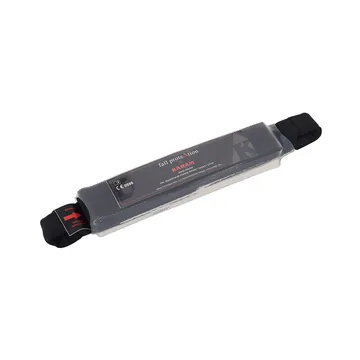
Start with what the lanyard has to do. A restraint lanyard (EN 354) keeps the worker from reaching an edge, so a fall never starts; it has no shock absorber and must never be used to arrest a fall. A work positioning lanyard (EN 358) lets the worker lean into the harness on a pole or structure with both hands free, set to length with a ring, a rope grab or a B-ring. Where a fall can happen, choose an energy absorbing lanyard (EN 355): its absorber tears open under load to slow the fall and reduce the force on the body. Most of Karam's energy absorbing lanyards are also listed to IS 3521 (Part 2):2021, and the maker shows the ISI mark on those pages.
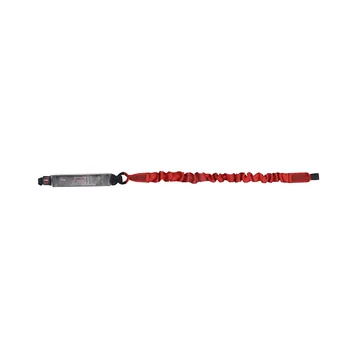
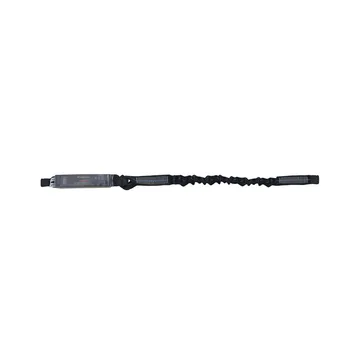
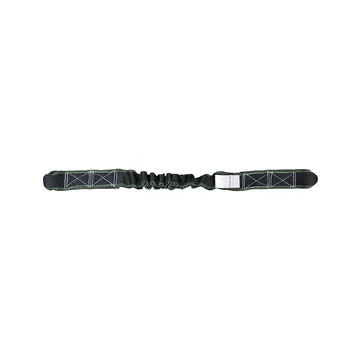
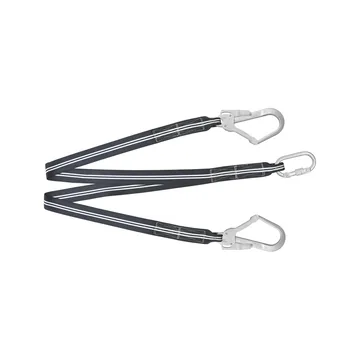
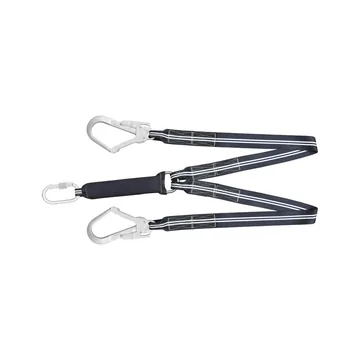
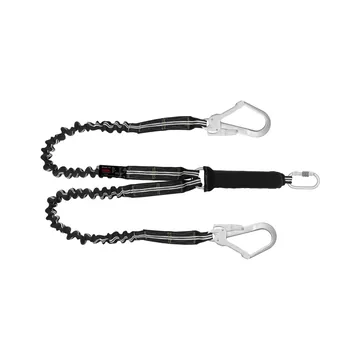
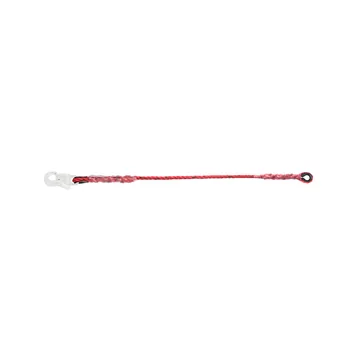
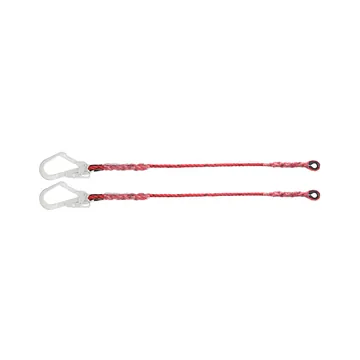
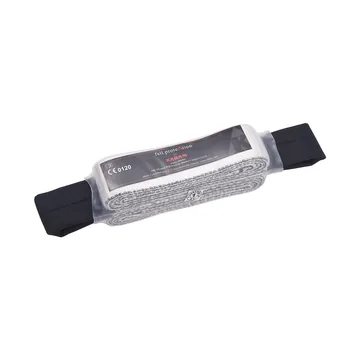
Next decide on single or twin leg and on the material. A twin leg (forked or Y) lanyard lets one leg stay clipped on while the other moves to the next anchor, for 100 percent tie off on scaffolds and steelwork. Twisted polyamide rope, kernmantle rope and 44 mm polyester webbing all do the same job; expandable webbing versions shorten when slack to cut trip hazards, and the internal shock absorbing types hide the absorber inside the webbing and carry an impact indicator.
Then pick the ends and any special version. Fixed lanyards come in 1.0, 1.5, 1.8 and 2.0 m with a loop, a PN112 steel screw locking karabiner, a PN121 steel snap hook, a PN136 aluminium or PN131N steel scaffold hook, or a PN141 stainless steel anchorage hook. For sharp edges look at the edge safe and sharp edge tested lines, for hot work the Flanil flame resistant range, for explosive atmospheres the Nospark antistatic range, near live electrical equipment the Dienoc dielectric range, and for oily sites the Revolta oil repellent range.
Send FPS the task, the anchor points and the harness your team uses, and we will help you pick the matching Karam model codes. Call or WhatsApp +91 92440 89060 for prices.