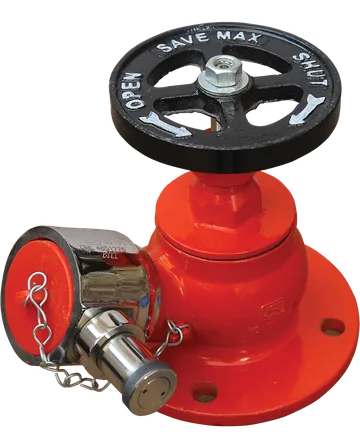
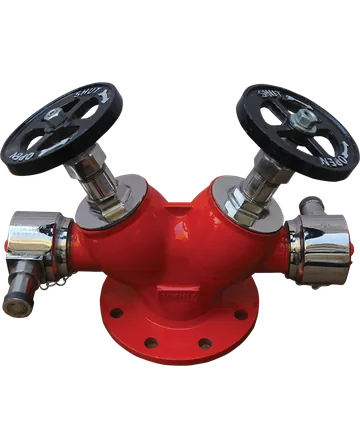
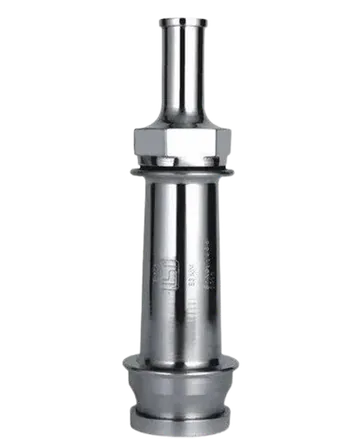
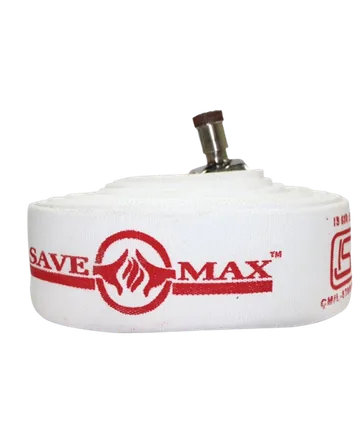
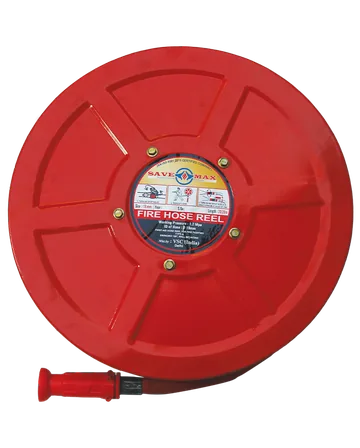
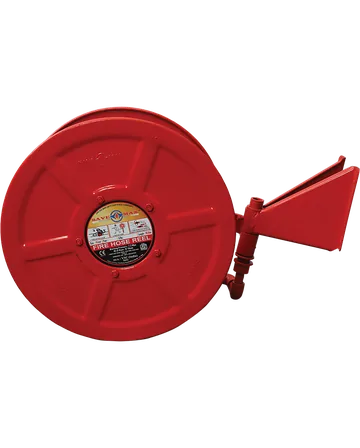
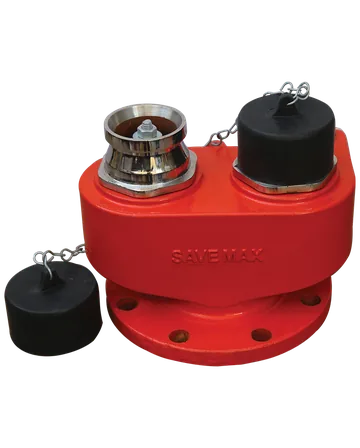
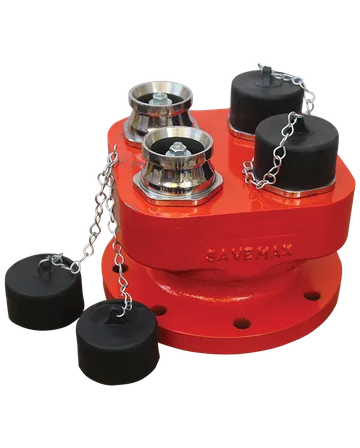
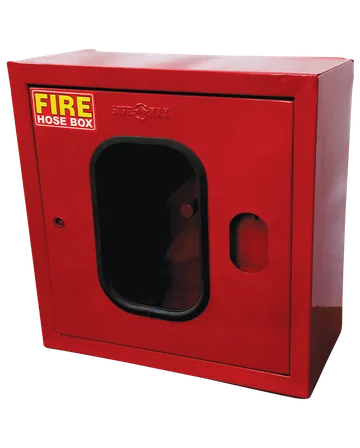
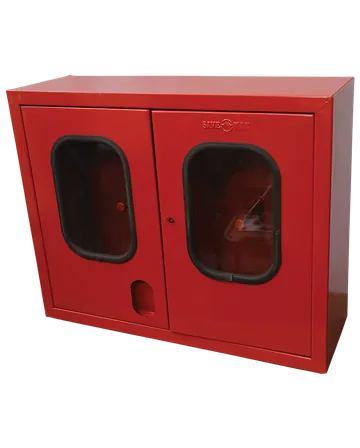
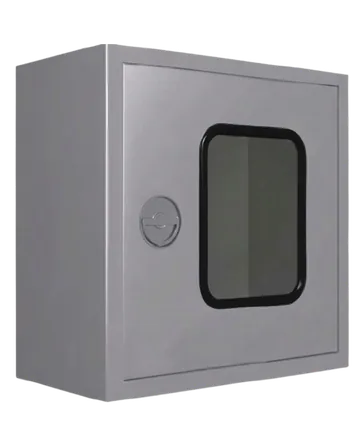
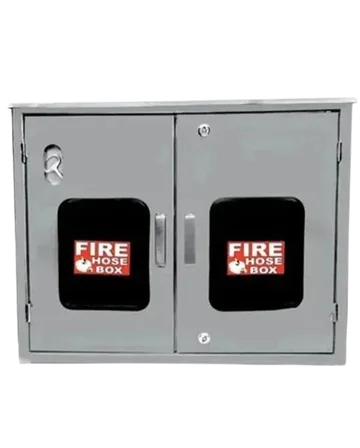
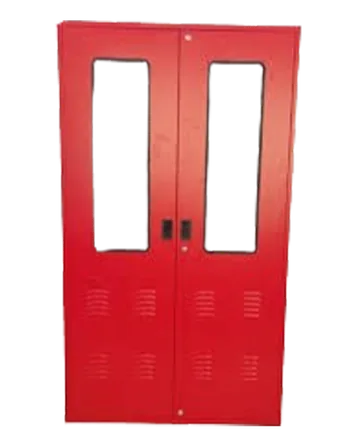
Plan each hydrant point as a set. In a wet riser system every floor has a landing valve, a hose box holding the RRL hose and branch pipe, and often a first aid hose reel that occupants can use before the fire brigade arrives. Outside the building, a two way or four way inlet lets the fire brigade pump water from its tanker into the riser.
Match each part to the building. Single head landing valves are the usual choice for wet risers, while double head valves are used where two hose lines may be needed at once, such as high risk occupancies, large floor plates or basements. The 15 m hose suits floor level hose boxes and the 30 m hose covers large floors, basements, yards and sheds. A two way inlet suits a building served by one riser; a four way inlet suits large buildings where several tankers may pump together.
Pick materials for the site. Landing valves and branch pipes are in stainless steel. Hose boxes come in mild steel of 18 SWG or the heavier 16 SWG (SWG is the sheet gauge: the lower number is the thicker sheet), or in stainless steel where corrosion resistance matters, for example in food processing and pharmaceutical plants.
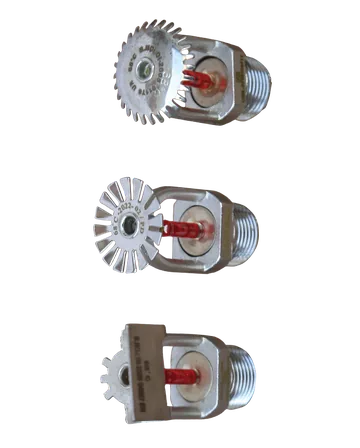
Check the standards your consultant asks for. Savemax quotes IS 5290 for landing valves, IS 636 for RRL hose, IS 884 for the ISI type hose reel, IS 904 for fire brigade inlets and IS 15105 for sprinklers, and most items are BIS/ISI marked and CPWD approved. Hose boxes are made to suit NBC (National Building Code) and TAC hose cabinet specifications.