Start with the chemicals your team actually handles. Each Delta Plus chemical glove carries an EN ISO 374-1 type and a row of letters. Type A means the glove resisted at least six of the standard test chemicals for 30 minutes or more each, Type B at least three, and Type C at least one for a shorter time. The letters name the chemicals that passed, for example J for n-heptane, K for sodium hydroxide, L for sulphuric acid, M for nitric acid, N for acetic acid and T for formaldehyde. If your chemical is not in the letters, ask before you buy.
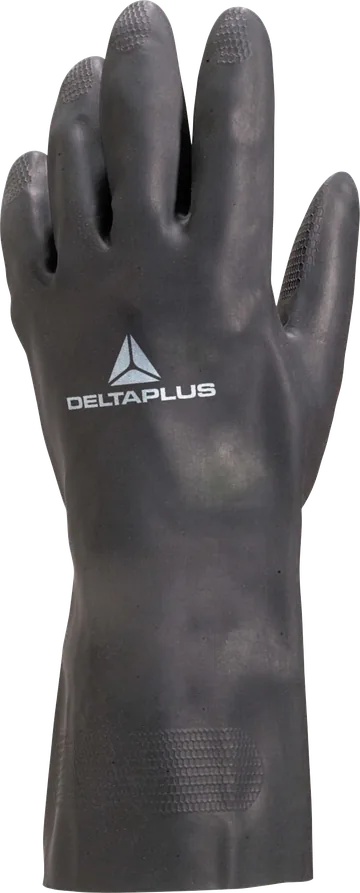
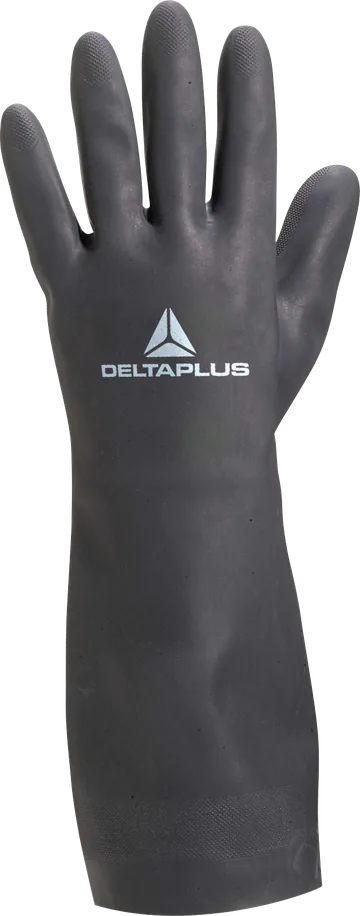
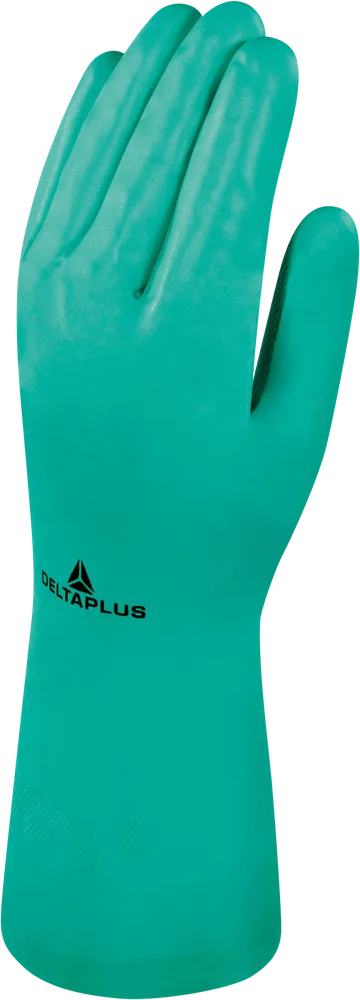
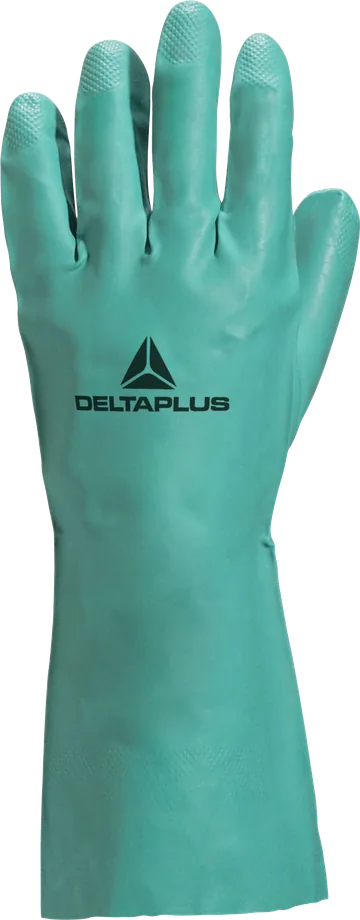
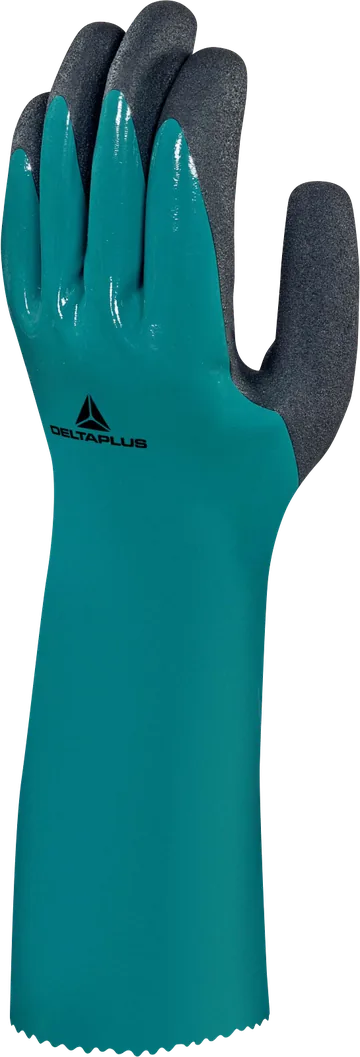
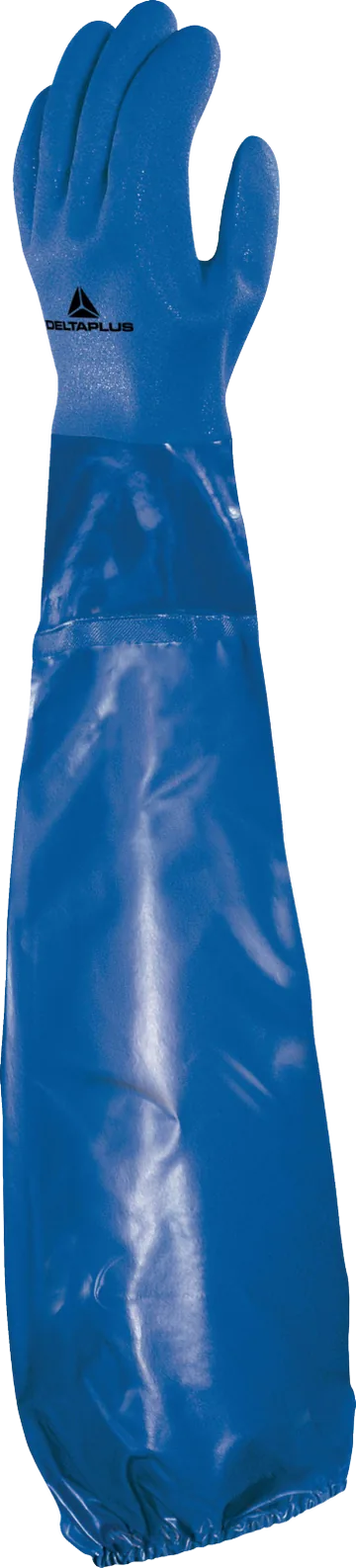
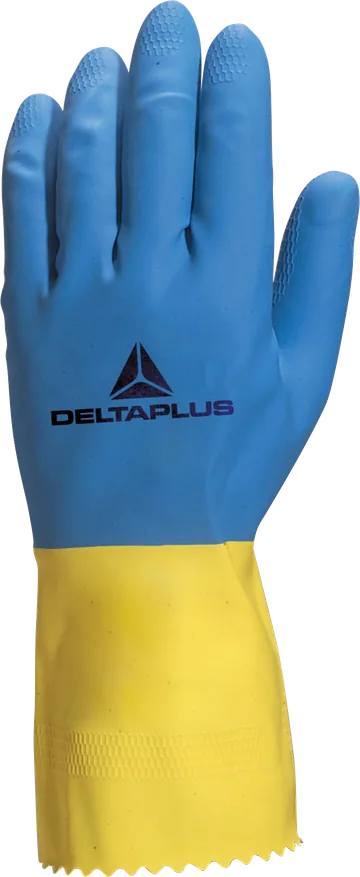
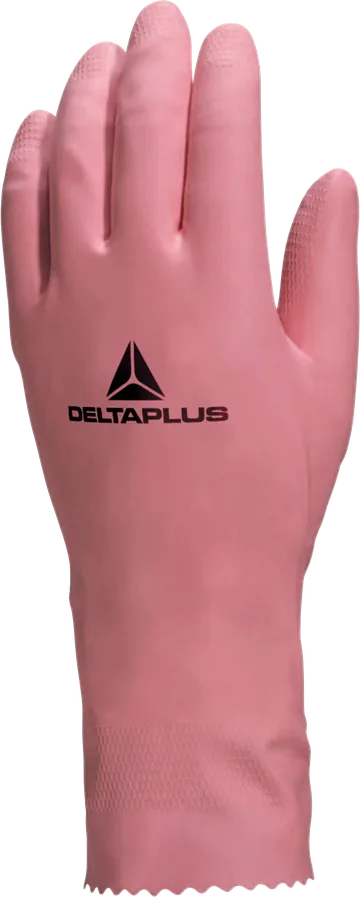
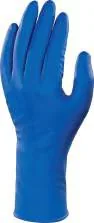
Then pick the material and length. Neoprene (TOUTRAVO VE509, VE510, VE511) is a versatile material, listed by the maker against heat, detergents, alcohols, greases and hydrocarbons. Nitrile (NITREX, CHEMSAFE) suits oily and automotive work, PVC (PETRO VE766) is listed for oils and petroleum derivatives, and latex (DUOCOLOR, ZEPHIR) comes as flock lined 30 cm gloves. Lengths run from 30 cm at the wrist, through 33 to 38 cm for the forearm, to 62 cm for the whole arm.
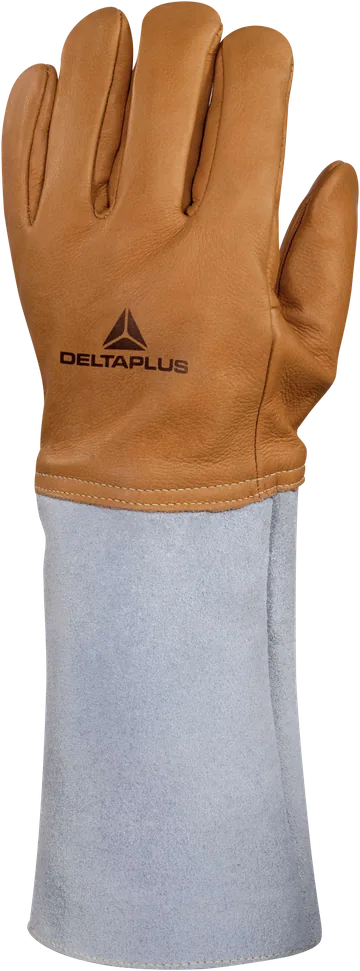
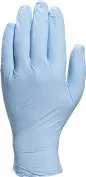
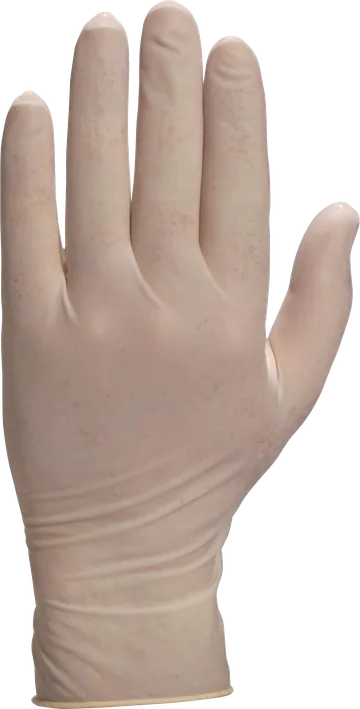
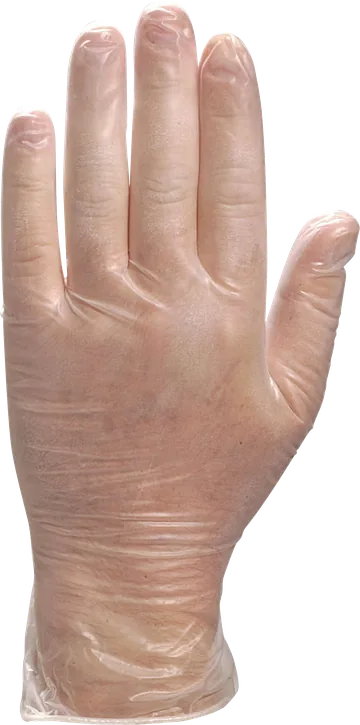
Choose disposable gloves for short contact, splashes and hygiene, and reusable gloves for prolonged work. The VENITACTYL and VENIPLUS disposable gloves come in boxes of 100 or 50, powdered or powder free, in nitrile, latex or vinyl, and most are listed by the maker as suitable for the food industry. The maker lists its powder free nitrile disposables as free of allergy risk, worth noting where staff react to latex. For liquid nitrogen, CRYOG is a separate cold protection glove and is not rated to EN ISO 374-1.
Send FPS the chemical names, the task and the sizes needed, and we will help you match Delta Plus model codes. Call or WhatsApp +91 92440 89060 for prices.