ISO 9001:2015 Certified · MSME Registered · Military Engineering Services Registered
Fire Protection System logoFIRE PROTECTION SYSTEMTMFire safety contractors, dealers & distributors · Bhopal, M.P.
EXCELLENCE IN FIRE EXTINGUISHER, FIRE HYDRANT, FIRE ALARM & FIRE SUPPRESSION SYSTEMS
Authorised distributor for Apollo

Apollo Conventional Smoke and Heat Detectors in Bhopal

Fire Protection System (FPS) is an authorised Apollo distributor in Bhopal, supplying Apollo conventional detectors from the Series 65, Orbis and AlarmSense ranges: optical smoke detectors, heat detectors in several EN 54-5 classes, an Orbis multi-sensor and an intrinsically safe Orbis optical detector. They work with conventional zone panels, and FPS installs, tests and maintains them across Madhya Pradesh.

Where to use Conventional Detectors

  • Hotels, guest houses and hostels
  • Bedrooms and escape routes
  • Hospitals and care homes
  • Restaurants, cafes and retail shops
  • Small to medium buildings on conventional zone panels
  • Car parks and loading bays (heat detectors)
  • Dusty, smoky or steamy areas where smoke detectors are unsuitable
  • Industrial premises
  • Refineries and other hazardous areas (Orbis I.S. optical)
  • University campuses

Apollo Conventional Detectors models

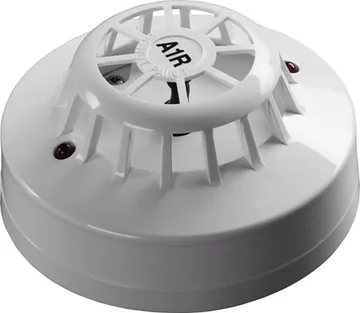
Apollo Series 65 Heat Detector, Class A1R

55000-122APOHeat A1REN 54-5

A conventional heat detector that monitors temperature with a dual thermistor network, classed A1R to EN 54-5: the lowest temperature band, with rate of rise response. It suits places where smoke detectors are unsuitable, such as dirty, smoky or steamy areas.

View specifications ›

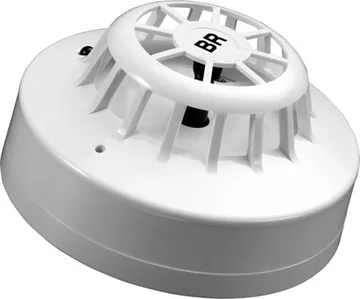
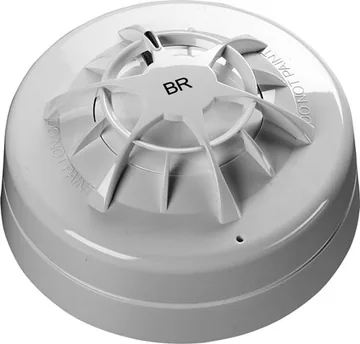
Apollo Series 65 Heat Detector, Class BR

55000-127APOHeat BREN 54-5

A conventional heat detector in class BR, for areas that run warmer than a normal room, with rate of rise response. Its dual thermistor network gives a voltage output that follows the surrounding air temperature.

View specifications ›

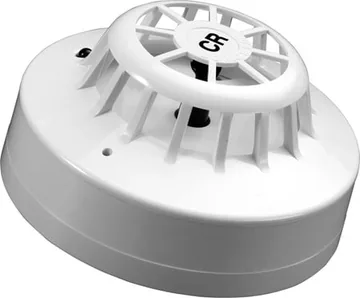
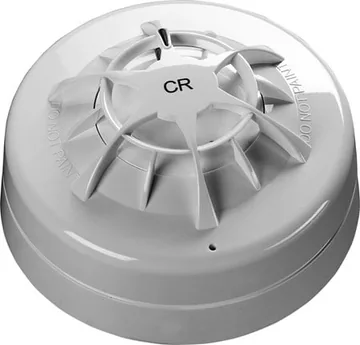
Apollo Series 65 Heat Detector, Class CR

55000-132APOHeat CRSeries 65

A conventional heat detector in class CR, for areas with higher normal temperatures, that also responds to a fast rise in temperature. Its dual thermistor network gives an output that follows the surrounding air temperature.

View specifications ›

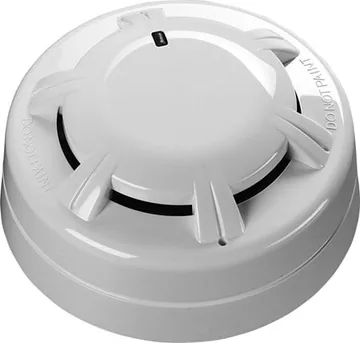
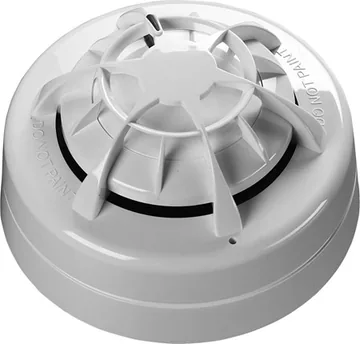
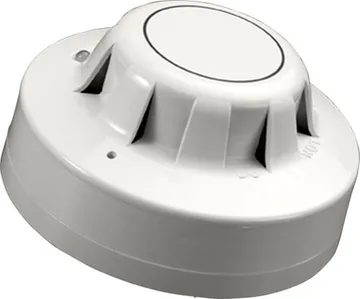
Apollo Orbis Optical Smoke Detector

ORB-OP-12001-APOOptical smokeOrbis

A conventional optical smoke detector using the light scatter principle, with sensing technology designed to reduce false alarms. It responds well to slow burning, smouldering fires.

View specifications ›

Apollo Orbis Multi-Sensor Detector (Optical/Heat)

ORB-OH-13001-APOOptical and heatOrbis

A conventional detector that combines optical smoke and heat sensing: good for general use and more sensitive than an optical detector to fast burning, flaming fires, including liquid fires. Apollo recommends it where heat is likely early in a fire.

View specifications ›

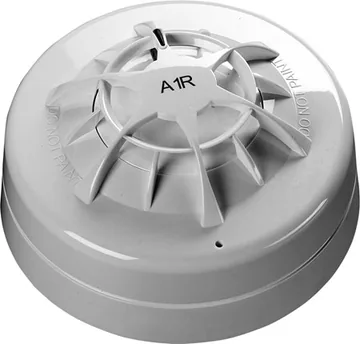
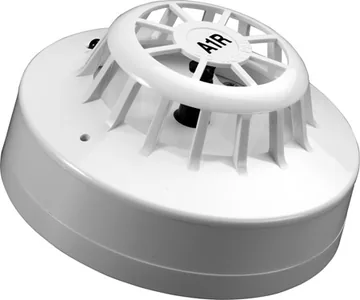
Apollo Orbis Heat Detector, Class A1R

ORB-HT-11001-APOHeat A1ROrbis

An Orbis conventional heat detector in class A1R: the lowest temperature band, with rate of rise response. A single thermistor gives an output that follows the air temperature, for areas where smoke detectors are unsuitable.

View specifications ›

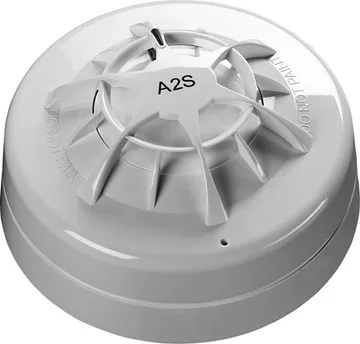
Apollo Orbis Heat Detector, Class A2S

ORB-HT-11002-APOHeat A2SOrbis

An Orbis conventional heat detector in class A2S, which responds at a fixed temperature in the A2 band without rate of rise response. A single thermistor follows the surrounding air temperature.

View specifications ›

Apollo AlarmSense Heat Detector, Class A1R

55000-190APOHeat A1RAlarmSense

An AlarmSense conventional heat detector with a fixed upper temperature limit that also measures how fast the temperature is rising. It is used where smoke detectors are unsuitable, such as dirty or smoky areas.

View specifications ›

How to choose

Conventional detectors are wired to a conventional fire panel in zones: the panel shows which zone is in alarm rather than which single detector. Apollo offers three conventional ranges here, Series 65, Orbis and AlarmSense, and each detector plugs into the base made for its own range, so choose the range first and keep to it across the site.

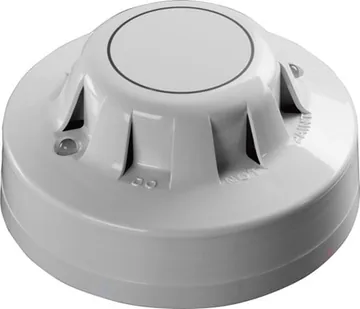
Then choose by the fire you expect. Optical smoke detectors use light scattering: smoke entering the chamber scatters light onto a sensor, so they respond well to slow burning, smouldering fires and suit bedrooms and escape routes. Heat detectors are for places where a smoke detector would be unsuitable, such as areas that are dirty, smoky or steamy in normal use. The Orbis Multi-Sensor combines optical and heat sensing and is more sensitive than an optical detector to fast burning, flaming fires, including liquid fires.

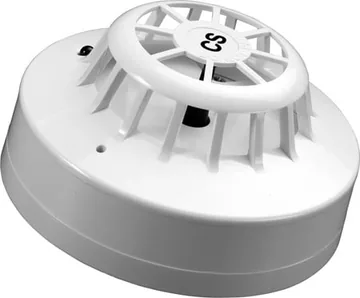
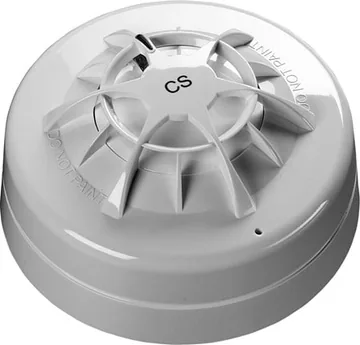
For heat detectors, pick the EN 54-5 class. The letter and number (A1, A2, B, C) set the temperature band the detector is built for, from A1 for normal room temperatures up to C for areas that run hotter in normal use. An R suffix means it also responds to a fast rise in temperature, and S means it responds only at its fixed temperature. Series 65 heat detectors come in A1R, BR, CR and CS, Orbis in A1R, A2S, BR, CR and CS, and AlarmSense in A1R.

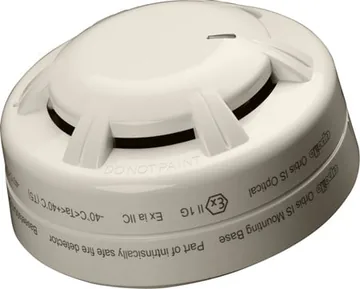
For hazardous areas such as refineries and offshore platforms, the Orbis I.S. Optical Smoke Detector is intrinsically safe and carries approvals including IECEx, BASEEFA and PESO (CCoE). On Orbis detectors, FasTest checks a detector in four seconds and DirtAlert flashes a yellow LED when a detector is dirty. FPS supplies, installs and maintains all of these in Bhopal and across Madhya Pradesh.

Frequently asked questions

What is the difference between a conventional and an addressable detector?
A conventional detector signals through its zone, so the panel shows the area in alarm. An addressable detector has its own address on a loop, so the panel shows the exact device. The detectors on this page are for conventional panels.
Should I use a smoke detector or a heat detector?
Use optical smoke detectors where slow burning, smouldering fires are likely, such as bedrooms and escape routes. Use heat detectors where dust, smoke or steam in normal conditions would make a smoke detector unsuitable, for example car parks, loading bays and dusty areas.
What do A1R, BR, CR and CS mean on a heat detector?
They are EN 54-5 heat detector classes. The letter and number give the temperature band (A1 lowest, then A2, B and C), R means the detector also reacts to a rapid rise in temperature, and S means it responds only at a fixed temperature.
What are FasTest and DirtAlert on Orbis detectors?
FasTest lets an engineer test an Orbis detector and confirm it is working in four seconds. DirtAlert is a yellow flashing LED that points out a detector that has become dirty, alongside automatic drift compensation.
Are these Apollo detectors approved?
Approvals depend on the part number. For example, the Series 65 Optical Smoke Detector is certified to EN 54-7 with LPCB and CPR approvals, and the Series 65 A1R and BR heat detectors are certified to EN 54-5; each model below lists its own approvals.
Does FPS supply and install Apollo conventional detectors?
Yes. FPS is an authorised Apollo distributor and supplies, installs and maintains Apollo conventional detectors in Bhopal and across Madhya Pradesh. Prices are on request: call or WhatsApp +91 92440 89060.
More Apollo products

Call +91 92440 89060Send a text messageEmail usWhatsApp us