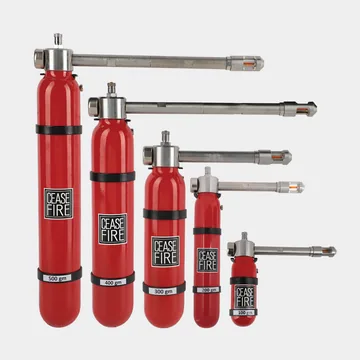
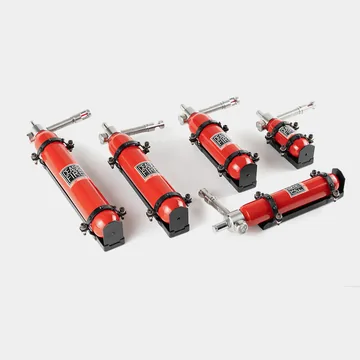
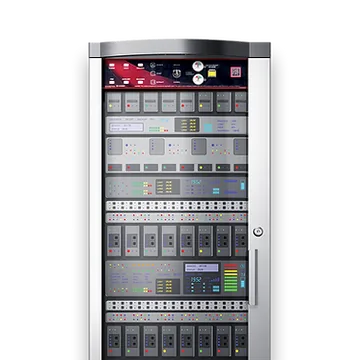
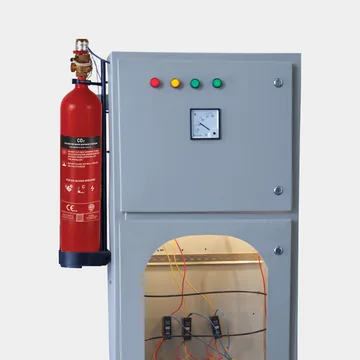
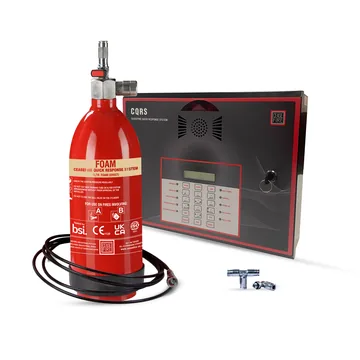
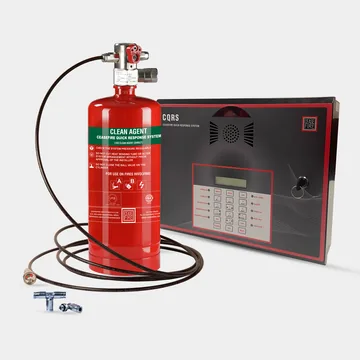
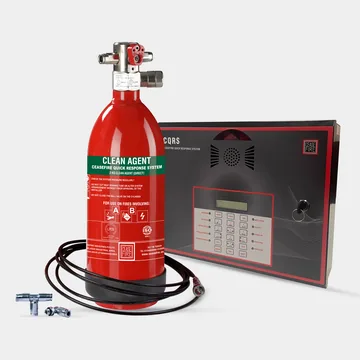
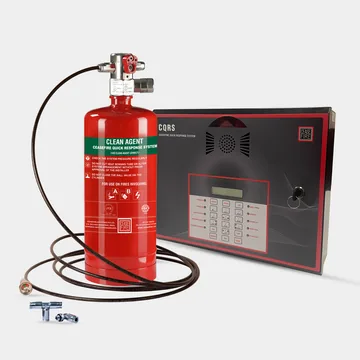
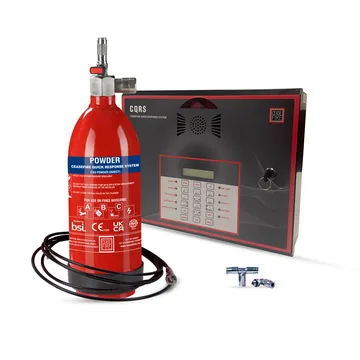
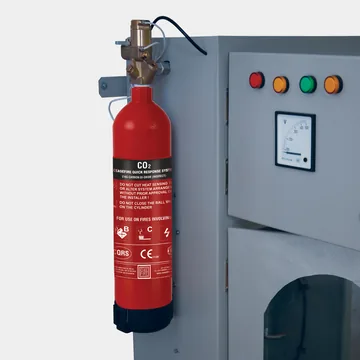
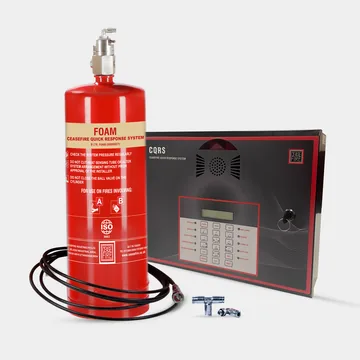
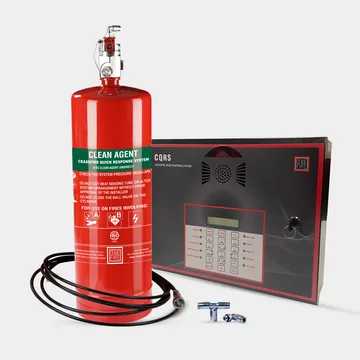
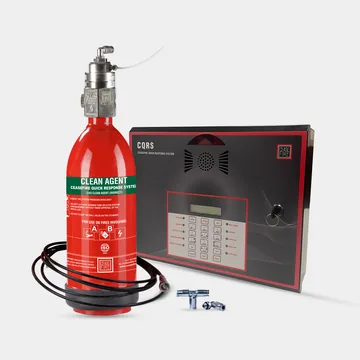
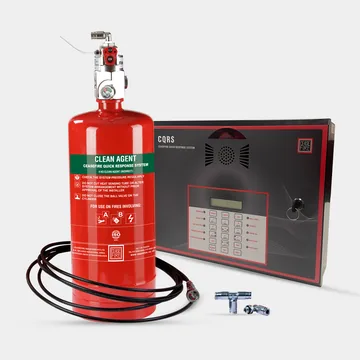
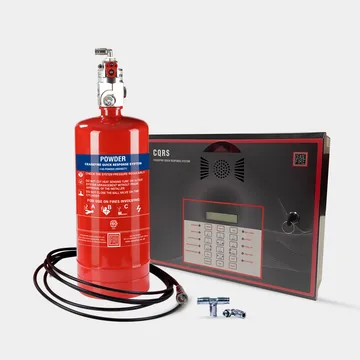
Start with the size of the risk. For a single panel, cabinet or enclosure, a tube based in-panel system is the usual choice: a heat sensing tube runs through the enclosure and bursts at 150 to 180 C where the fire is. In a direct system the burst tube itself becomes the nozzle; in an indirect system the tube only detects, and the agent goes through a separate line to fixed nozzles, which suits compartmentalised enclosures. The Mini and Mini Pro protect very small spaces such as fuse boxes and server cabinets, and the SQRS is built to fit inside a server rack.
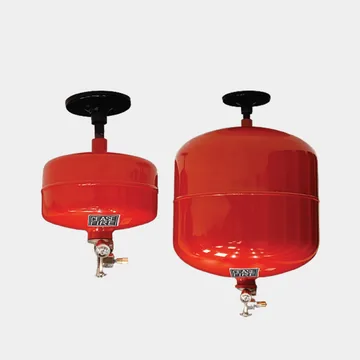
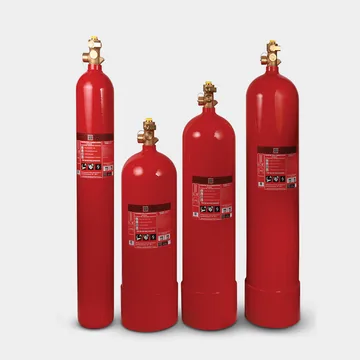
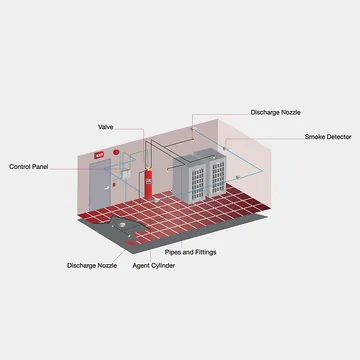
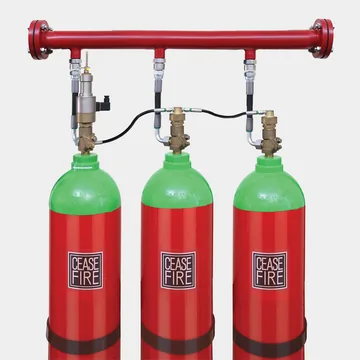
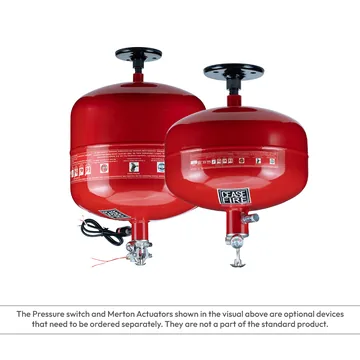
For whole rooms, choose a total flooding system that fills the room with agent. HFC 227ea and Fluoroketone systems reach extinguishing levels in 10 seconds or less and leave no residue, while inert gas systems use CO2, nitrogen, argon or blends to lower oxygen below the level a fire needs, leaving enough for people. The M Series and Atom X build a flooding system from ceiling or wall mounted units linked to detectors and a control panel, without a large piping network.
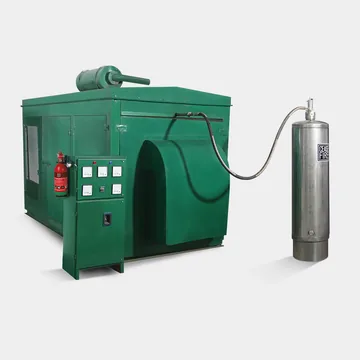
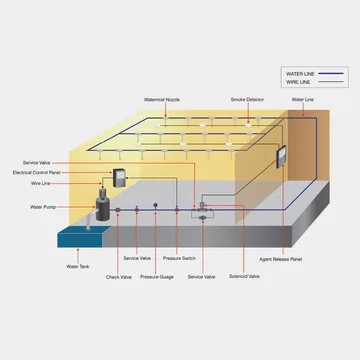
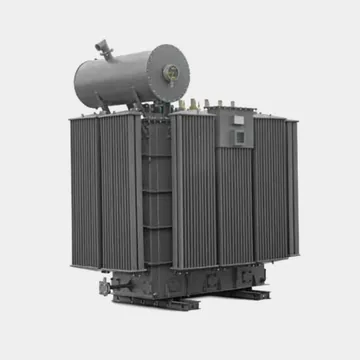
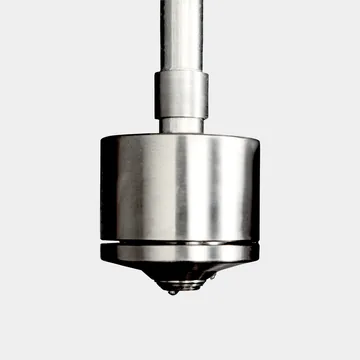
Then match the agent to the fire. CO2 in-panel systems cover Class B, C and electrical fires, fluorine free foam covers Class A and B, ABC powder MAP 90 covers Class A, B, C and electrical fires, and the clean agents HFC 227ea, HFC 236fa and Fluoroketone are used where equipment must stay clean. Watermist systems, Auto-Quell for generators, transformers and indoor areas and SWIFT for offices, use water mist and leave no chemicals behind. FPS supplies, installs and maintains Ceasefire suppression systems in Bhopal and across Madhya Pradesh.