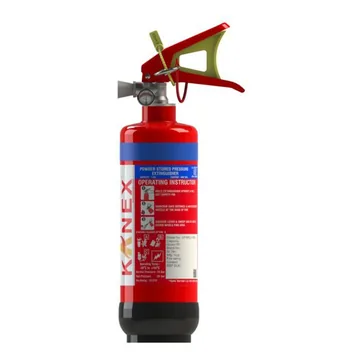
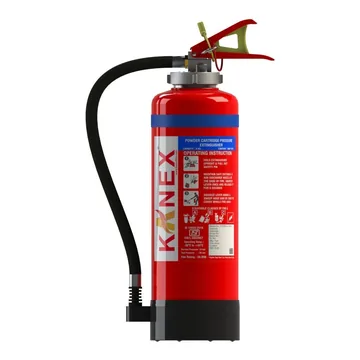
First decide the powder grade. MAP stands for mono ammonium phosphate, and the number is the percentage of that active powder in the fill. MAP 90 gives higher fire ratings for the same weight, for example 1A:34B in a 1 kg stored pressure unit against 1A:21B for a 1 kg MAP 40 unit. MAP 50 and MAP 40 units carry lower ratings and suit lower hazard areas.
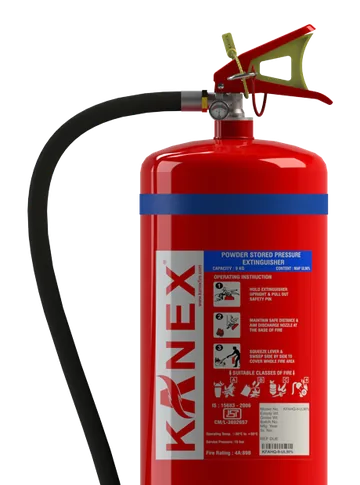
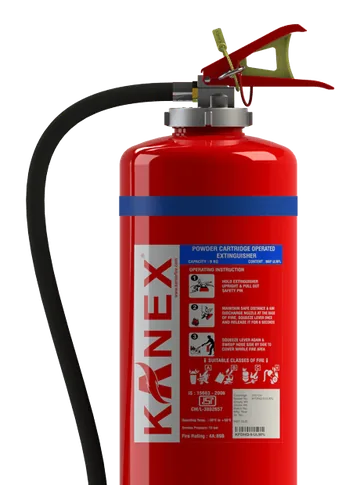
Next decide how the extinguisher is pressurised. Stored pressure means the nitrogen is already inside the cylinder with the powder, and a gauge shows if it is charged: simple to check, good for corridors and offices. Cartridge operated means a separate sealed CO2 cartridge pressurises the body only when you strike it, which allows quick refilling on site and suits dusty industrial areas.
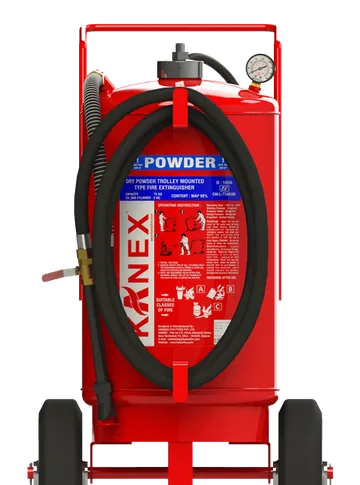
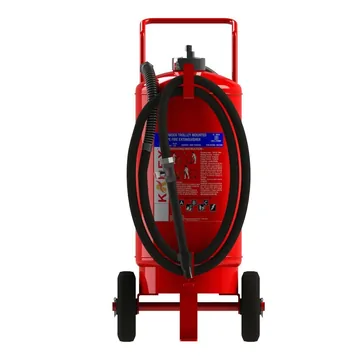
Then match size to the risk. Portable sizes run 1, 2, 4, 6 and 9 kg. For larger open risks such as fuel handling, transformer yards and big stores, use the 25, 50 or 75 kg trolley mounted units rated 20A:233B with about 6 m throw. Fire ratings like 3A:55B tell you the tested size of wood crib (A) and flammable liquid tray (B) the unit can put out.
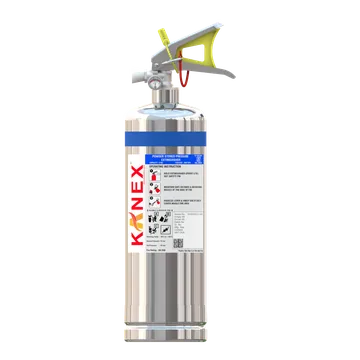
For food plants, pharma, clean areas and front of house locations, ask for the HQ stainless steel body version. All units should be mounted at the height your fire NOC requires, with signage, and refilled and pressure tested on schedule. FPS installs, services and refills every model listed here in Bhopal and across Madhya Pradesh.