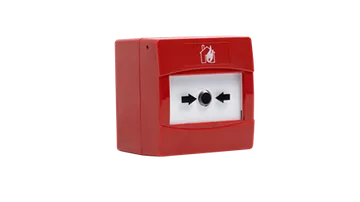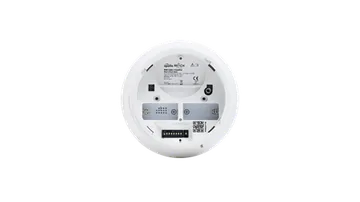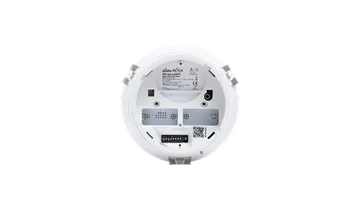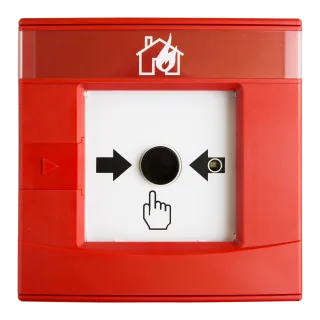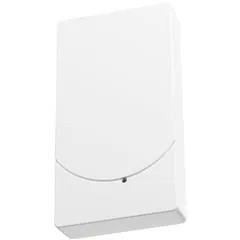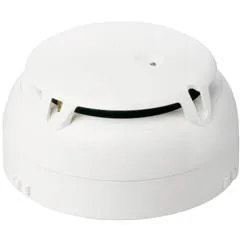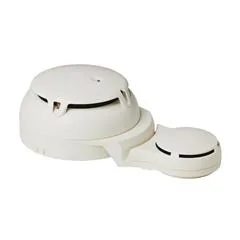
Notifier
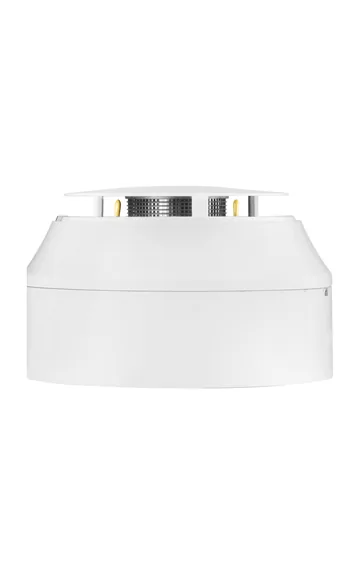
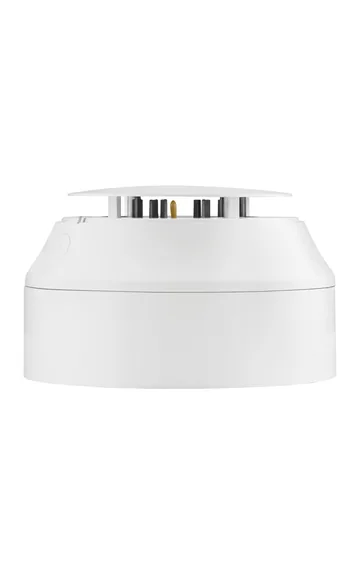
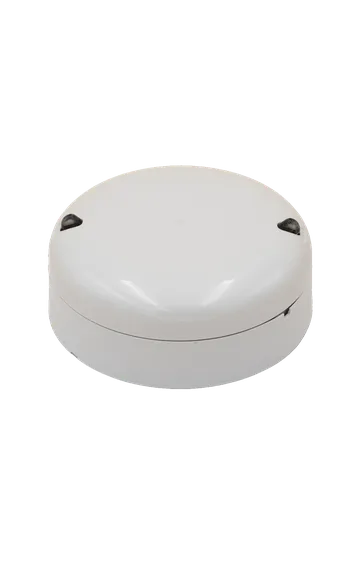
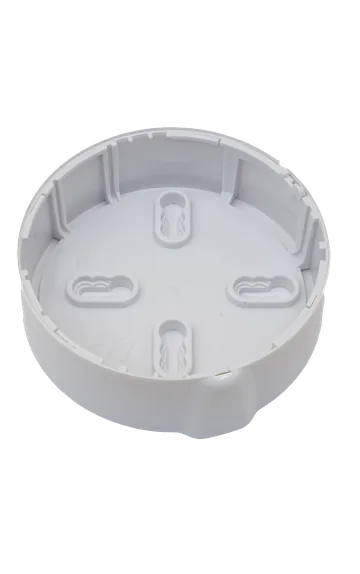
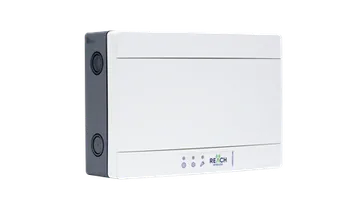
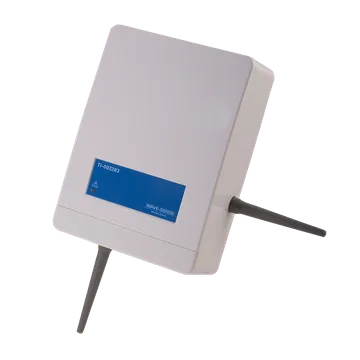
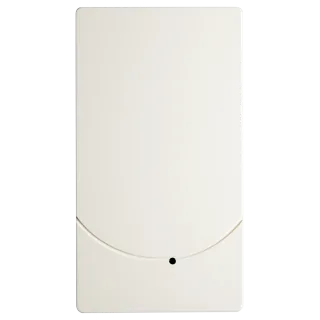
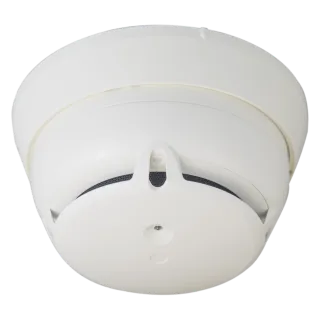
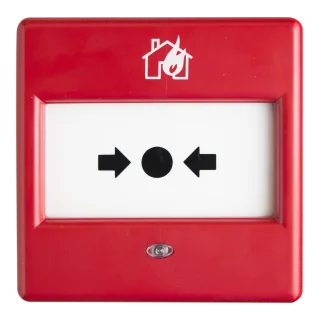
Notifier FWSG Wireless Gateway (WFDAS)
The bridge between a Notifier fire alarm control panel and its wireless fire devices, powered by the SLC loop and speaking FlashScan to the panel and a proprietary wireless protocol to the sensors.
Wireless fire alarm devices use radio instead of cable between each detector, call point or sounder and the system, which helps in finished or heritage buildings, occupied premises and extensions where new cabling is difficult. FPS supplies wireless detectors, call points, sounders, modules and gateways from Notifier, Morley by Honeywell, System Sensor, Apollo, Ceasefire, Bosch and Siemens in Bhopal and across Madhya Pradesh.
The bridge between a Notifier fire alarm control panel and its wireless fire devices, powered by the SLC loop and speaking FlashScan to the panel and a proprietary wireless protocol to the sensors.
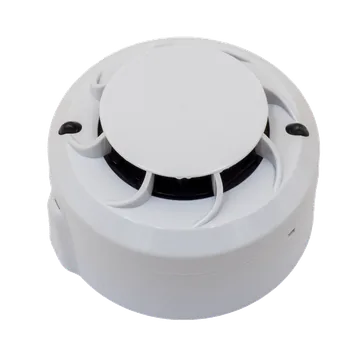
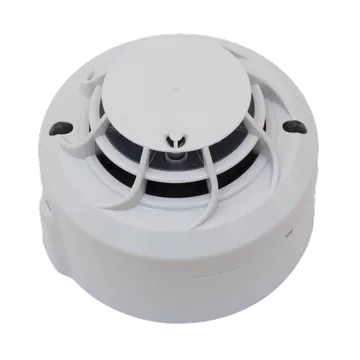
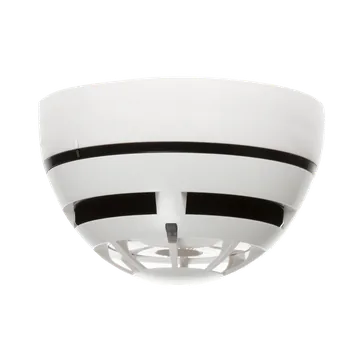
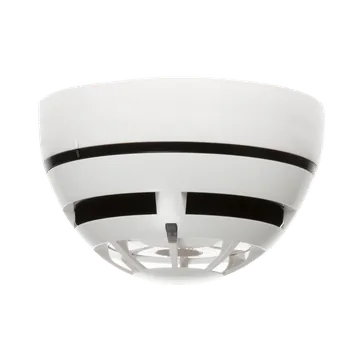
Plug-in wireless smoke sensors with a photoelectronic chamber that send a digital smoke density reading through a wireless mesh to the gateway; the FWD-200PH-IN also sends a heat alarm.
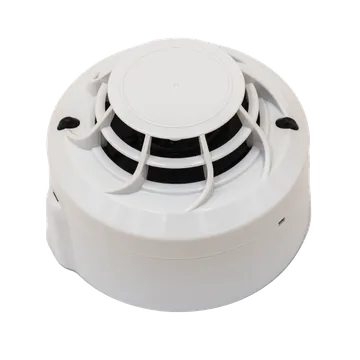
Intelligent wireless heat sensors with a thermistor sensing circuit, approved by UL 521 for open area protection at 50 foot spacing.
The gateway of the Morley addressable wireless fire detection system. It is supplied from the 24V communication line and mounts on a B501AP base.
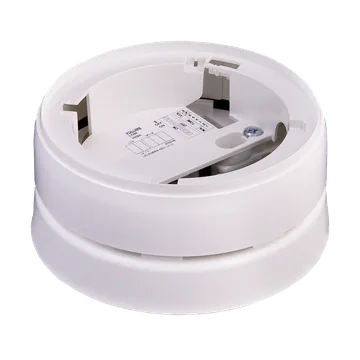
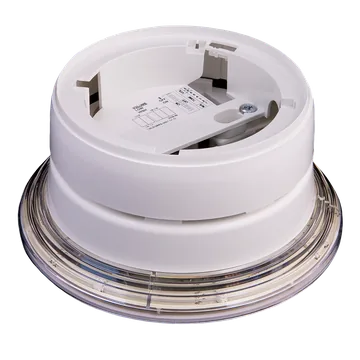
RF bases from the Morley Wireless range, offered in white or red.
A battery-powered wireless smoke detector from the Agile range, for sites where wiring is not wanted, with a tamper-resist lock on the sensor head.
A wireless multi-criteria detector that combines photoelectric, thermal and infrared sensing for more resistance to false alarms.
A wireless fixed temperature heat detector set at 58°C, for areas where a smoke detector is not suitable and wiring is not wanted.
A wireless heat detector that responds to a rapid rise in temperature, part of the battery-powered Agile range.
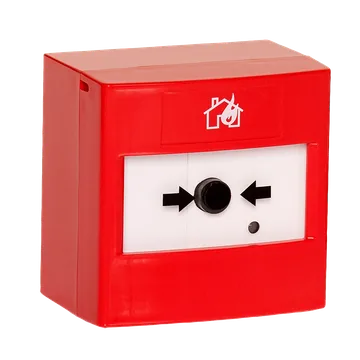
A battery-powered wireless call point with IP67 protection against water and dust, and a resettable flexible element.
A battery-powered wireless call point of the German DKM style, available in red or blue, with a tamper-resist lock on the DKM door.
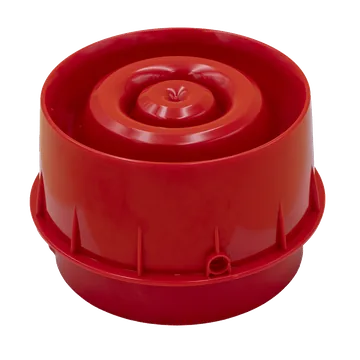
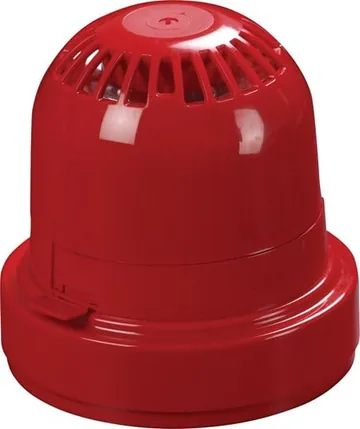
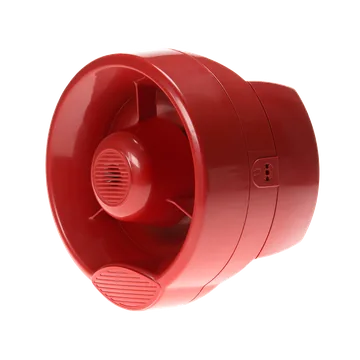
A battery-powered wireless sounder with a red or white body, giving sound output comparable to a wired sounder.
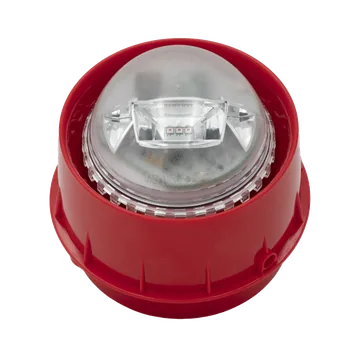
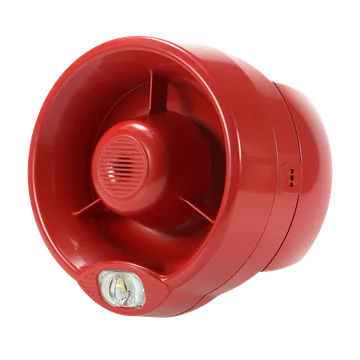
A battery-powered wireless sounder with a red flashing visual alarm device (VAD), approved to EN 54-23 for light coverage category W-3.5-10.
A wireless remote indicator that can be associated with up to 4 Agile detectors, powered by 2 CR123A batteries.
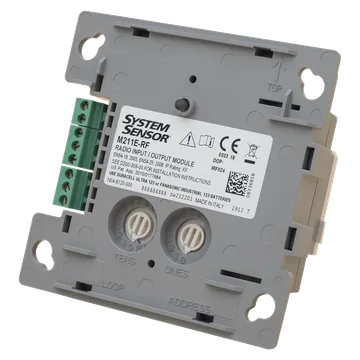
Sizes: 1 Input /1 Output Module
A battery-powered wireless module with one independent input and one supervised output, for monitoring and control where wiring back to the loop is not wanted.
The loop-powered gateway that connects Agile wireless devices into System Sensor protocol loops. It plugs directly onto a standard B501AP base with no extra wiring.
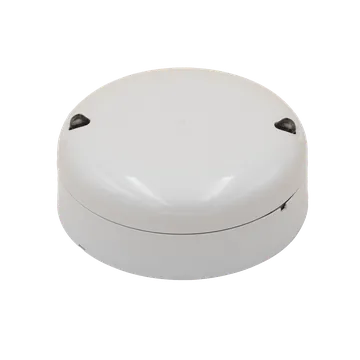
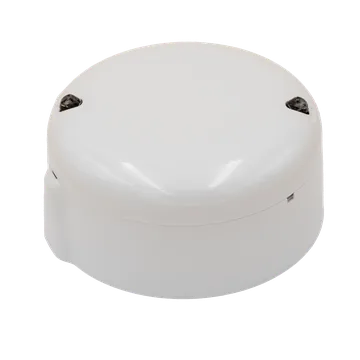
A battery-powered repeater in the Agile wireless range, which relays radio signals within the Agile mesh network.
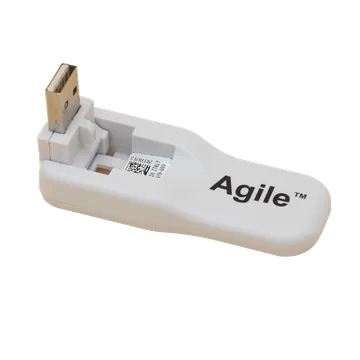
A USB-powered dongle that provides the wireless link between a laptop and the Agile radio system, used with the AgileIQ software for design, configuration and diagnostics.
Survey accessories for lifting an Agile device to ceiling height during a site radio survey, including a sensor cup and an adapter for SOLO range poles.
A wireless addressable optical smoke detector with a dual-optical chamber designed for high false alarm rejection, powered by a lithium battery with a ten year life.
A wireless addressable detector that combines dual-optical smoke sensing with rate of rise (A1R) heat detection, for improved performance and high false alarm rejection.
A wireless analogue addressable heat detector that can be configured as rate of rise (A1R) or high temperature (BS) to EN 54-5, chosen in configuration software or on the keyboard and LCD during the link phase.
A wireless analogue addressable call point with a resettable plastic element that shows a drop-down warning indicator when operated. A key for reset and case opening is supplied, and a transparent cover protects against accidental operation.
A wireless analogue addressable sounder base that works on its own as a notification device with a blanking cap, or together with a REACH Wireless detector.
A wireless sounder base with a white flash visual alarm device, rated C-3-15, that works on its own with a blanking cap or together with a REACH Wireless detector.
A wired, loop powered interface that bridges REACH Wireless radio devices to an Apollo wired loop, translating their messages into Apollo wired protocol for the fire panel.
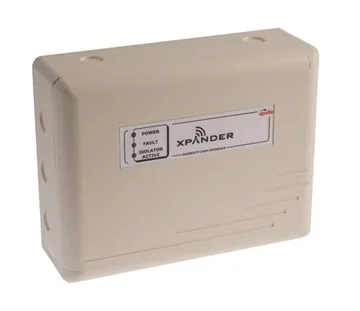
The bridge between an Apollo wired loop and XPander wireless devices, reporting each device's status to the fire panel through the XP95 protocol; it works with Discovery but not with CoreProtocol.
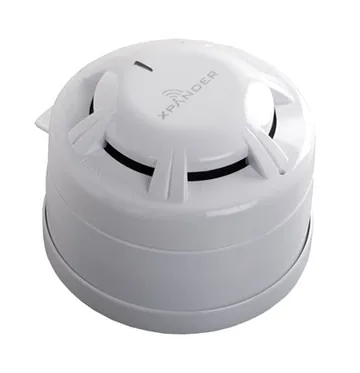
A battery powered wireless optical smoke detector for general early warning of fire in most installations, working on the light scatter principle and calibrated for reliable detection with enhanced immunity to false alarms.
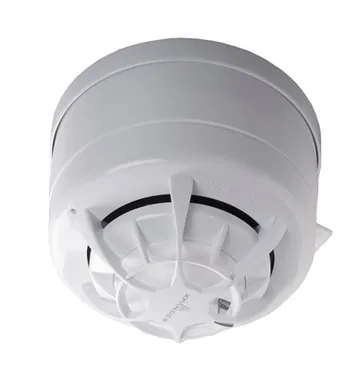
A thermally enhanced wireless smoke detector developed from the XPander optical detector; heat sensing sharpens its smoke detection, but it will not give an alarm from heat alone.
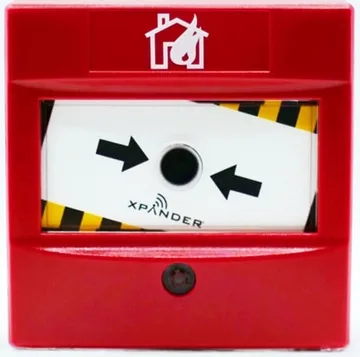
A wireless Apollo style call point that matches the look and reset key of the SA5900-908APO Intelligent call point, powered by six AA alkaline batteries (included) with a typical working life of five to seven years.
A wireless open-area sounder for use with XPander detectors and manual call points, with 32 selectable tones and output between 92 and 106 dB(A) at 1 m depending on the tone.
Battery powered wireless call point with a single action push button and resettable element, communicating on 865 MHz with up to 150 m range in open space. Designed and tested to EN 54-11 and EN 54-25 and certified by IMQ; TI-002347 is the new variant.
Wireless detector with a dual path optical smoke chamber and heat sensing, 3 smoke sensitivity levels and Class A1R or Class BS heat settings. Designed and tested to EN 54-5, EN 54-7 and EN 54-25, complies with EN 54-29 and is certified by IMQ.
Wireless heat detector with multiple sensitivity settings, including Class A1R and Class BS, and twin LEDs visible from all around. Designed and tested to EN 54-5 and EN 54-25 and certified by IMQ.
Wireless interface module (TI-002256) that fits inside Pro-Sense modular wall sounders and sounder beacons to make them wireless, listed with the TI-002272 wall sounder for up to 100 dB at 1 m and 32 tones. Designed and tested to EN 54-3, EN 54-18 and EN 54-25 and certified by IMQ.
Wireless sounder with a 1 Hz strobe, made from the TI-002256 interface and the TI-002273 sounder with visual indicator, giving up to 100 dB at 1 m and 32 tones. Designed and tested to EN 54-3, EN 54-18 and EN 54-25 and certified by IMQ, with EN 54-23 also listed.
Wireless sounder with an integral detector base, 32 tones and 70 to 95 dBA output depending on the tone, with 3 volume levels. Designed and tested to EN 54-3 and EN 54-25 and certified by IMQ.
Wireless sounder base with an additional LED visual indicator flashing at 1 Hz, 32 tones and 70 to 95 dBA output depending on the tone. Designed and tested to EN 54-3 and EN 54-25 and certified by IMQ.
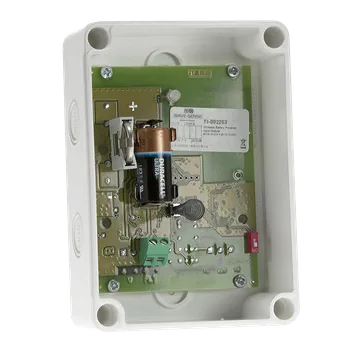
Wireless module with one supervised input, fully monitored for alarm and fault conditions, for bringing a contact into the system without a cable to the loop. Designed and tested to EN 54-18 and EN 54-25 and certified by IMQ.
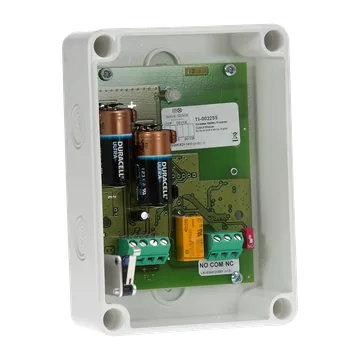
Wireless module with one output, offering a changeover relay rated 2 A at 30 V DC and a site programmable 12 V or 24 V output. Designed and tested to EN 54-18 and EN 54-25 and certified by IMQ.
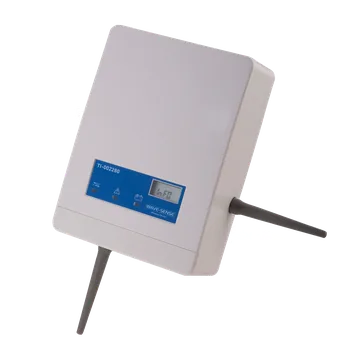
Loop powered addressable module that links Wave-Sense wireless devices to an addressable fire alarm loop. It handles 32 wireless detectors, call points, modules and sounders and works with up to 7 expander modules.
Wireless expander that extends the reach of a Wave-Sense system, handling up to 32 wireless field devices and linking back over up to 250 m in open space.
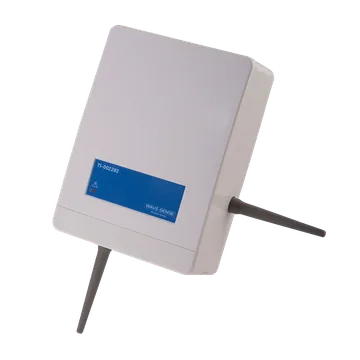
Wireless conventional interface module that handles up to 32 wireless detectors, call points, modules and sounders, with bi-directional communication.
The radio gateway at the centre of a Bosch wireless fire detection installation, linking up to 30 radio detectors and call points.
A battery powered radio smoke detector with an opto-electronic sensor that can be mounted anywhere in the radio cell of an FWI-270 gateway.
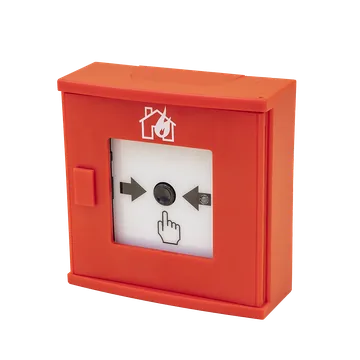
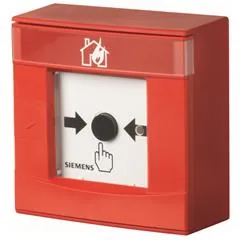
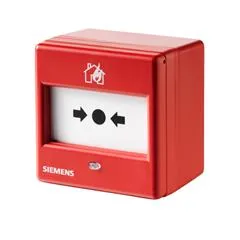
A red radio manual call point where the alarm is raised by pressing the plastic insert, then reset with a key.
The switching unit of a red break-glass radio call point, where the user smashes the glass insert and then presses the alarm button.
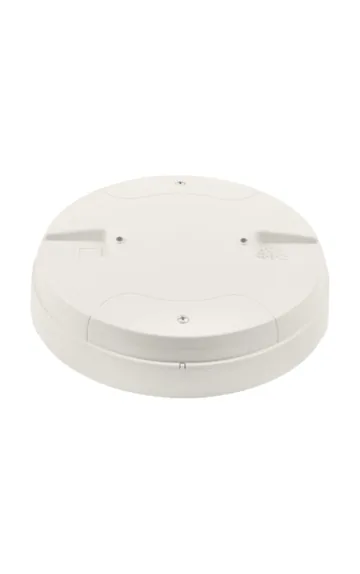
The link between a Siemens FDnet or C-NET detector line and the radio detectors and call points, using two-way radio in two frequency bands.
A battery powered radio fire detector with dynamic signal analysis in the detector, which can be mounted anywhere within radio range of the gateway.
A wireless smoke detector with an integrated sounder that sounds on a fire alarm in an addressable system, with adjustable sound level and tones.
A battery powered radio call point with indirect actuation (break the glass, then press the button) that can be mounted anywhere within radio range.
A type A radio call point: pressing the plastic insert raises the alarm directly, and a key resets it.
A wireless system is built around a gateway or interface that links the radio devices to the fire panel, so start from your panel and keep every device in the matching family. Apollo REACH and XPander devices join an Apollo loop through their own interface modules; the XPander interface takes up to 31 devices, with up to 5 interfaces on one wired loop, and works with XP95 and Discovery but not CoreProtocol. Ceasefire Wave-Sense uses the TI-002280 translator on addressable loops or the TI-002283 interface on conventional systems, each for 32 devices. System Sensor Agile uses the loop powered M200G-RF gateway and Morley by Honeywell the MI-GATE, both mounted on a B501AP base. The Notifier FWSG gateway runs on the SLC loop using FlashScan, the Siemens FDCW241 joins an FDnet or C-NET line, and the Bosch FWI-270 links up to 30 radio detectors and call points.
Next check radio range and layout. Open space figures differ by family: Ceasefire Wave-Sense devices reach up to 150 m on 865 MHz, with up to 200 m for the multi-criteria and heat detectors and up to 250 m between expanders and the translator; System Sensor Agile devices use 18 channels at 868MHz with up to 400 m free air range in a mesh network with multiple paths; Bosch uses multihop mesh technology with at least two independent communication paths; and Siemens radio works in two frequency bands. Walls and floors shorten range inside a building, so a site radio survey should come first, and System Sensor offers survey tools and a USB dongle for its AgileIQ software.
Then pick the devices. Smoke detection includes REACH and XPander optical detectors, the Bosch FDOOT271-O, the System Sensor 22051E-RF and the Siemens FDOOT271, which also comes as the FDOOTS271 with a built-in sounder, plus multi-sensors such as the Ceasefire TI-002278 and the System Sensor 22051TLE-RF photo-thermal-IR detector. For heat, the REACH heat detector and Ceasefire TI-002279 can be set to Class A1R or Class BS, System Sensor offers 58°C fixed and rate of rise models, and Notifier FWH-200 detectors alarm at 57.2°C fixed, with a rate-of-rise option. Call points come in resettable, break glass and waterproof IP67 (System Sensor R5A-RF) types, and alarms range from sounder bases to wall sounders and sounder strobes, such as the Ceasefire wall sounder at up to 100 dB at 1 m and the System Sensor sounder at 102 dB(A). System Sensor and Ceasefire also offer wireless input and output modules, and System Sensor a wireless remote indicator.
Plan for battery changes and approvals. Apollo REACH detectors use a lithium battery with a ten year life, most System Sensor Agile devices run on 4 CR123A batteries with an average 5 year life, Ceasefire Wave-Sense devices are rated 3 to 5 years in ideal conditions depending on the device, Bosch radio call points typically 3 years, and Siemens states not less than 6 years for its gateway battery. EN 54-25, the EN 54 part for radio linked fire alarm components, is shown for Morley by Honeywell, System Sensor, Ceasefire and Siemens Agile devices and the Apollo XPander interface, while the Notifier wireless gateway is listed to UL 864.

We handle your complete Fire NOC application and renewal: documentation, liaison with the MP Fire Department and compliance support.
Try "landing valve", "Apollo call point", "9 kg ABC" or a model code.
No products yet. Tap "Add to quote" on any product, then send the whole list to us in one WhatsApp message.