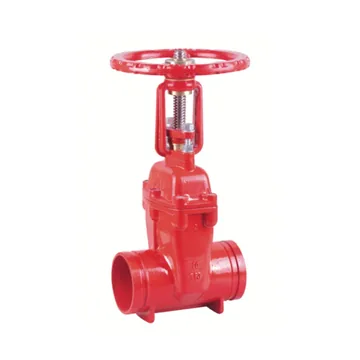
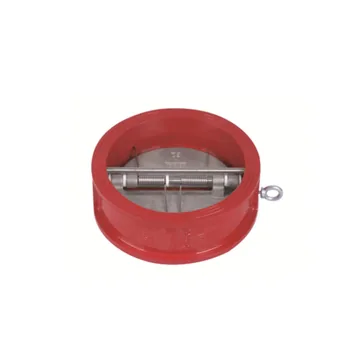
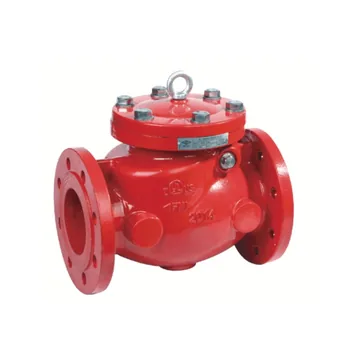
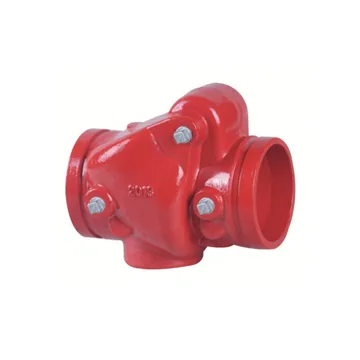
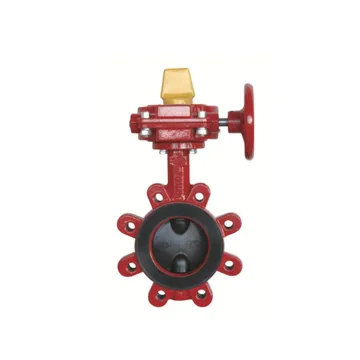
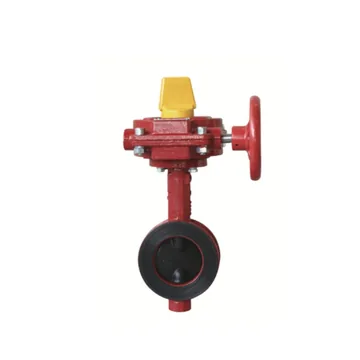
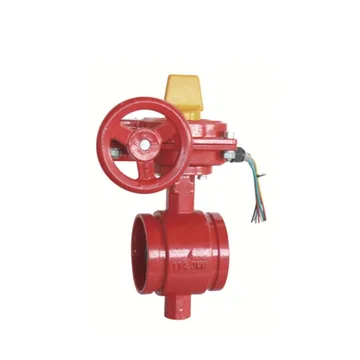
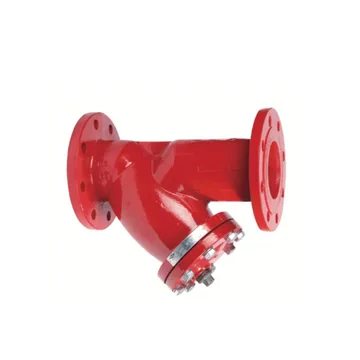
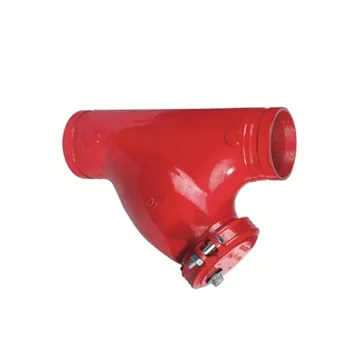
Start with the job the valve has to do. Gate and butterfly valves isolate a section of pipe, check valves stop water flowing back when a pump stops, and Y-type strainers catch debris before it reaches pumps and valves. All models on this page have a ductile iron body to grade EN-GJS-450-10, a working pressure of PN16 (the nominal pressure class, the number being the rating in bar), a 0°C to 100°C temperature range and fusion bonded epoxy coating to ANSI/AWWA C550.
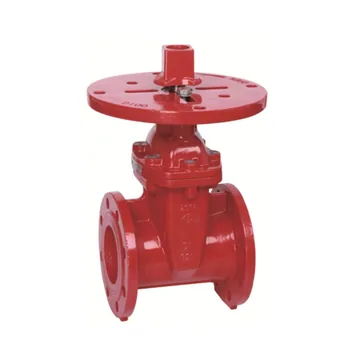
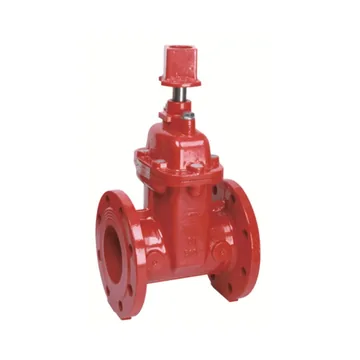
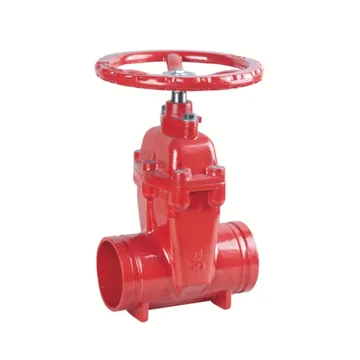
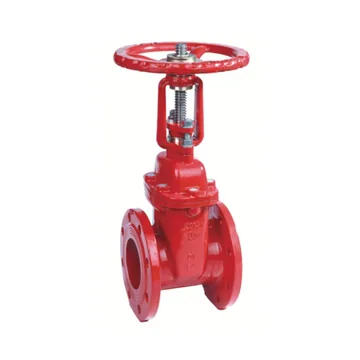
For gate valves, decide between non rising stem (NRS) and outside screw and yoke (OS&Y). On an NRS valve the stem turns without rising, which keeps the valve compact for pits and tight spaces; the Z45XC-2 adds a post flange on top for an indicator post. On an OS&Y valve the stem rises as the valve opens, so anyone can see at a glance whether it is open or shut. Resilient seated means the wedge seals on a rubber face rather than a metal seat.
Next pick the end connection. Flanged gate valves, check valves and strainers have flanges to BS EN 1092-2:1997 and run up to 600 mm on some models. Grooved models have grooves to ISO 6182 and join with grooved couplings, from 50 mm to 300 mm. Butterfly valves come as wafer (clamped between flanges), lugged wafer or grooved, all to design standard BS EN 593 with an ISO 5211 top flange for gearboxes and actuators, and each carries a tamper switch: a supervisory switch that lets the fire alarm panel know when the valve is moved from its open position.
Approvals differ from model to model, so check the certificate line for each one. The gate valves, the H84X check valve and the XD371XL butterfly valve are UL Listed and FM Approved, the H44X2 check valve adds LPCB approval, the XD371X and XD381X butterfly valves add VdS approval, and the DH77X check valve and V4 and V8 strainers are UL Listed. FPS supplies and installs every model here in Bhopal and across Madhya Pradesh.