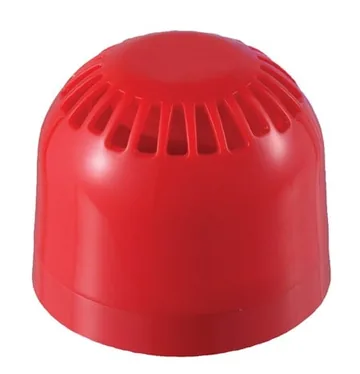
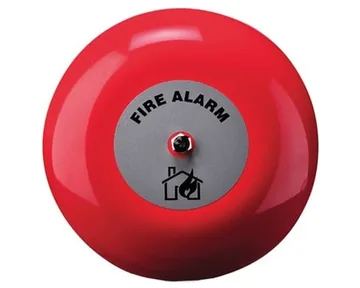
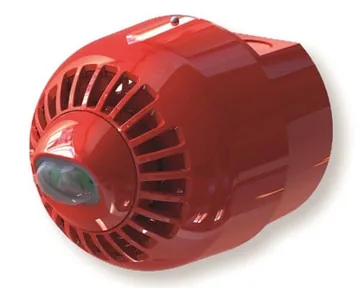
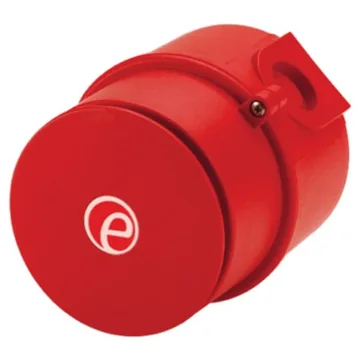
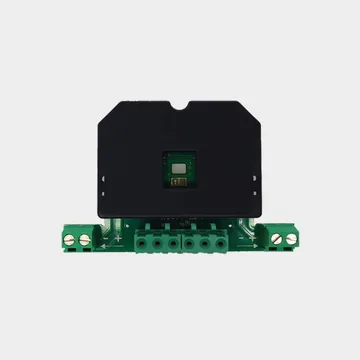
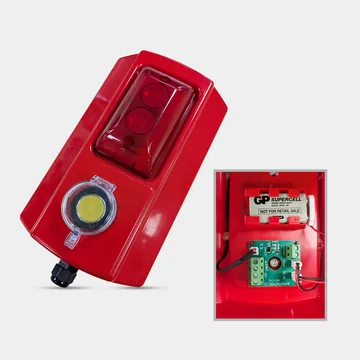
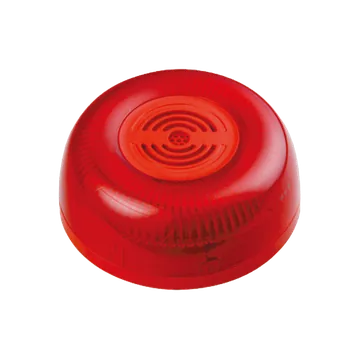
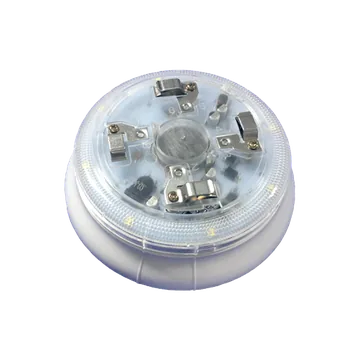
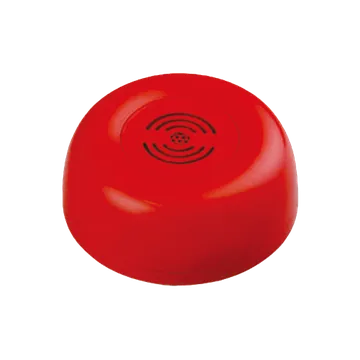
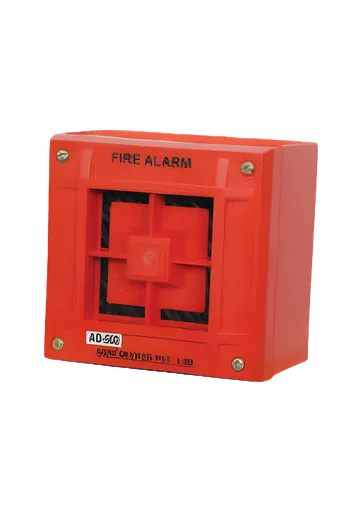
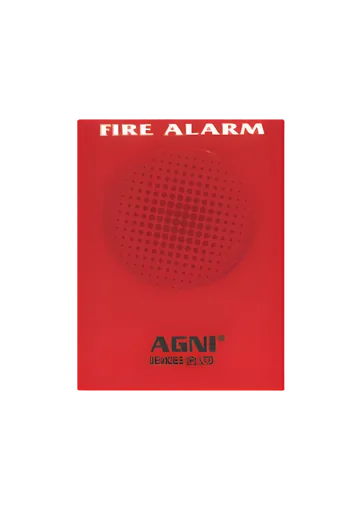
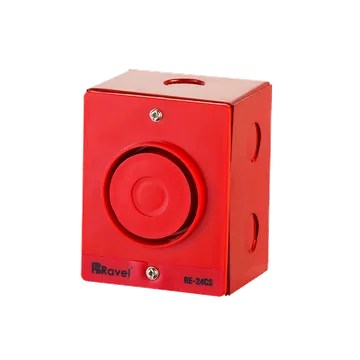
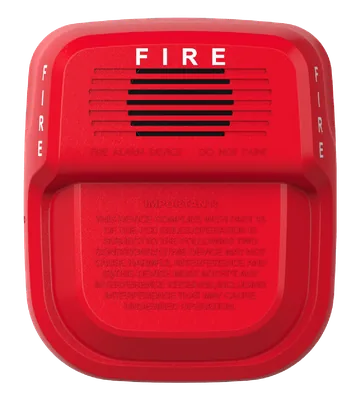
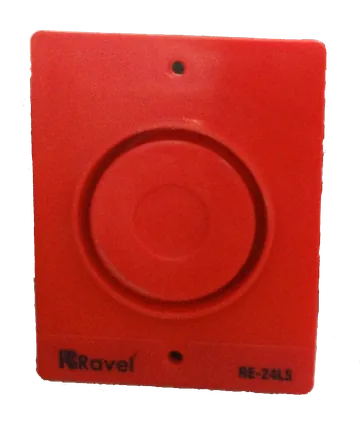
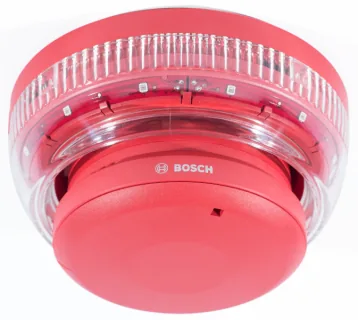
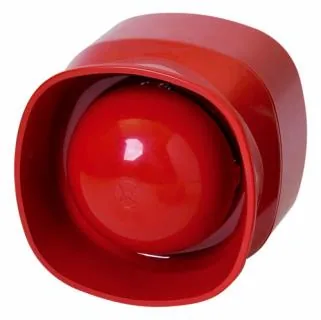
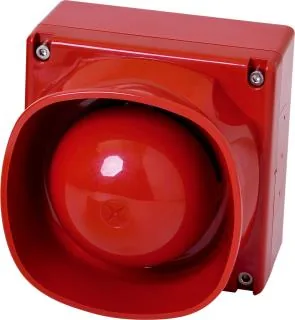
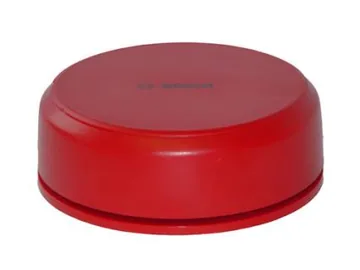
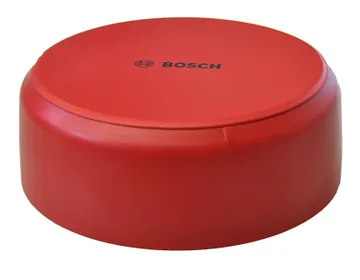
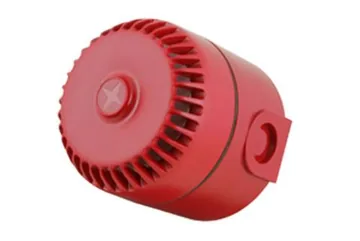
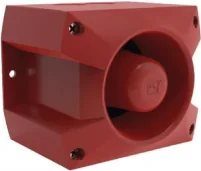
Start with the system. Conventional devices run from a sounder circuit on the panel: examples are the Agni AD501 and AD502 hooters and AD-ESF1 sounder strobe, Apollo conventional sounders, VADs and the 6 inch fire bell, Bosch FNM-320 sounders and LX beacons, the Ceasefire TI-002271, TI-002272 and TI-002273, Ravel sounders and strobes, the System Sensor MHR/1 mini horn and P2RLED horn strobe, and the Soft-Chip hooter for Soft-Chip panels. Addressable devices take their address from the loop and must use the panel's protocol: Apollo Soteria, Discovery and XP95 (many also on CoreProtocol), Bosch LSN, Siemens Cerberus PRO on FDnet or C-NET and Cerberus FIT on C-NET, Morley-IAS, Agni FYRLAAST, Ravel single loop and multi loop, and Ceasefire Intelli-Sense. Most are loop powered, but the Ravel RE-314EBS sounder base needs an external 24 V DC supply. Many addressable models have a built-in isolator (EN 54-17) that keeps the rest of the loop working after a short circuit.
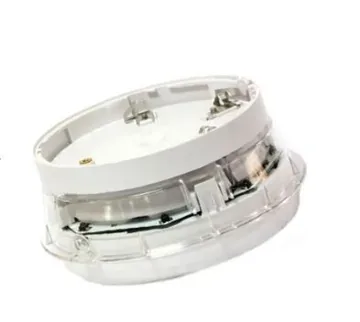
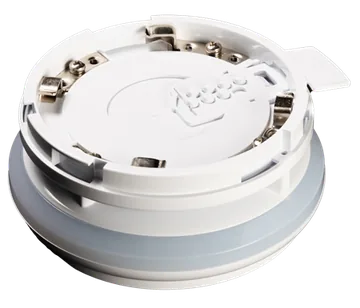
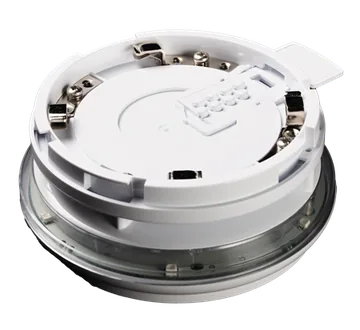
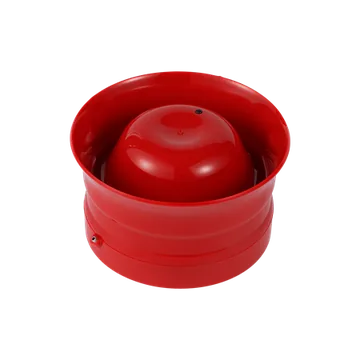
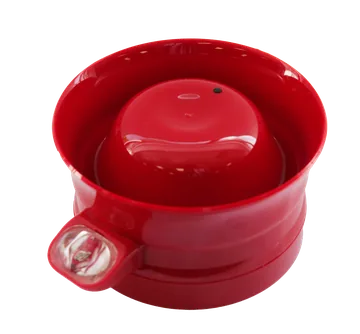
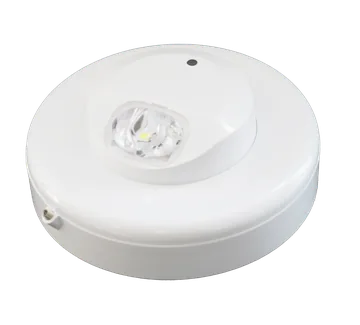
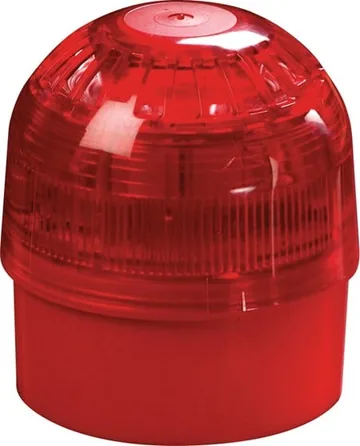
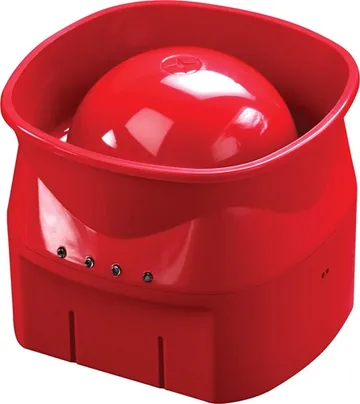
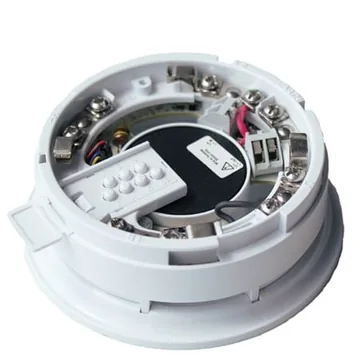
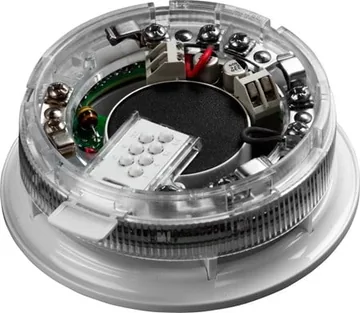
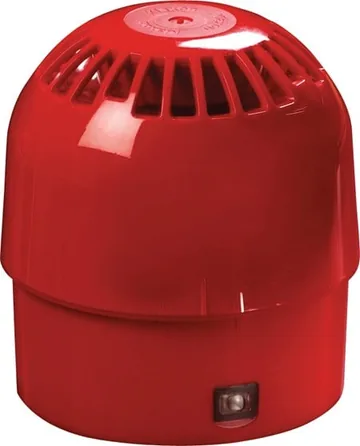
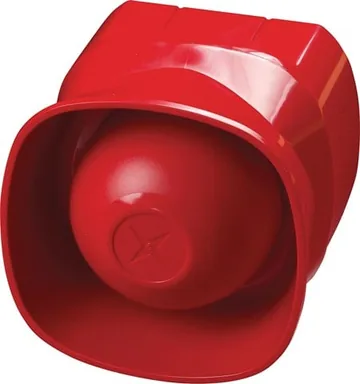
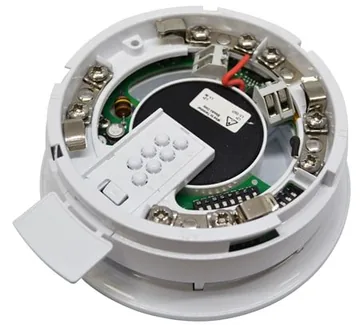
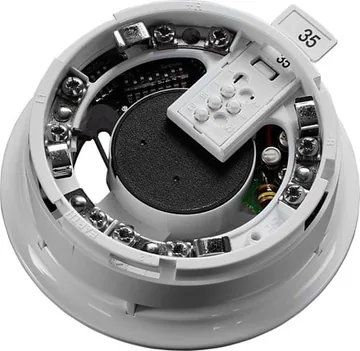
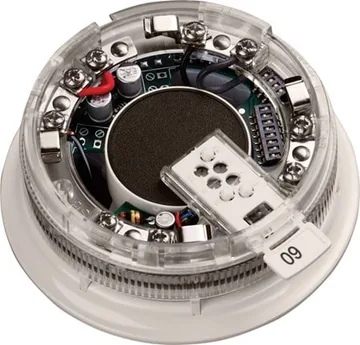
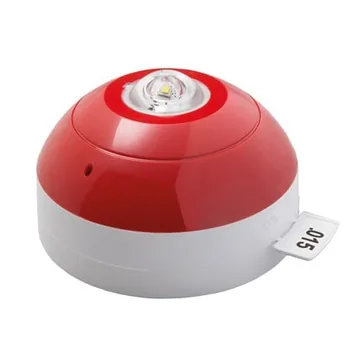
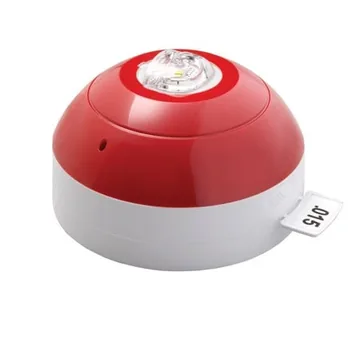
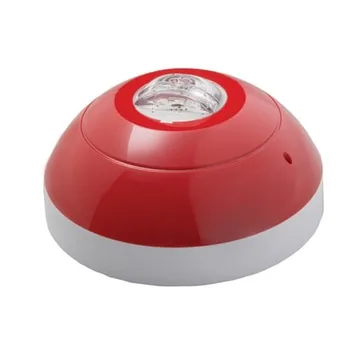
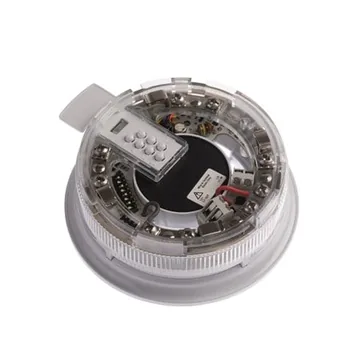
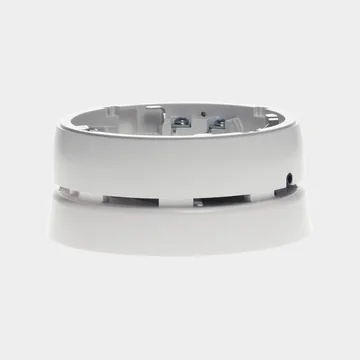
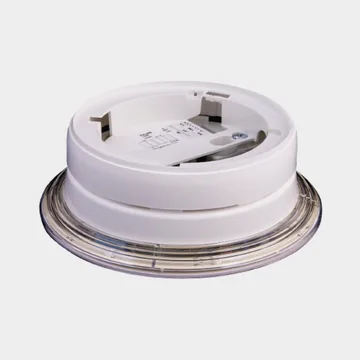
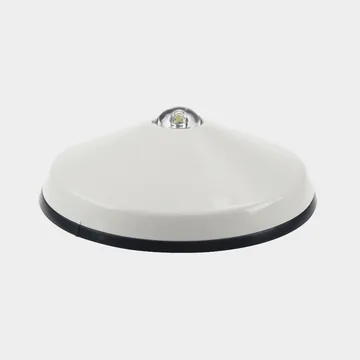
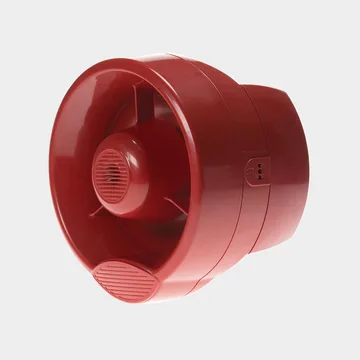
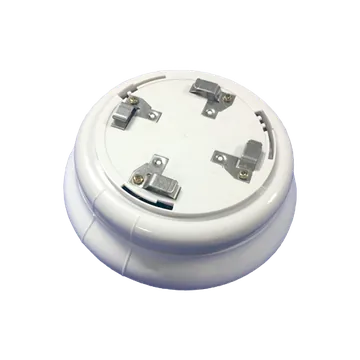
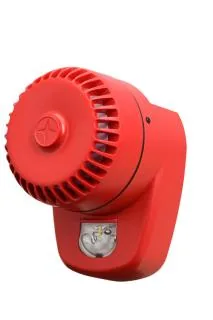
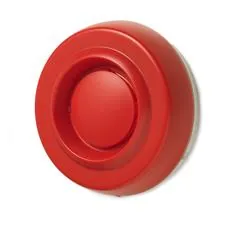
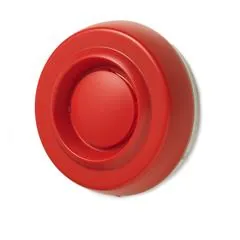
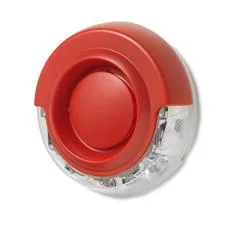
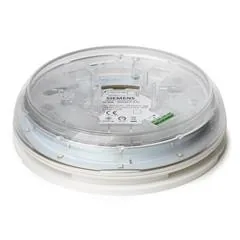
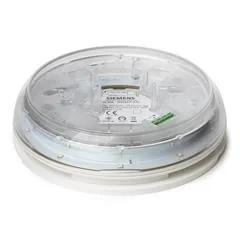
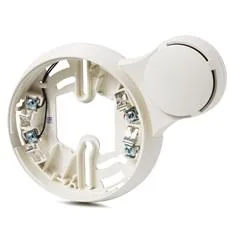
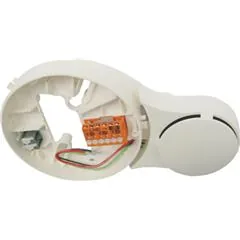
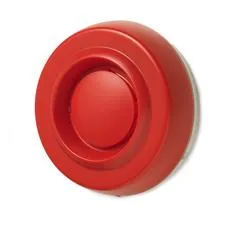
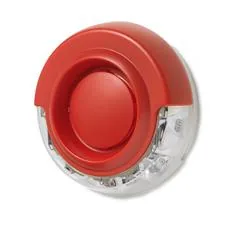
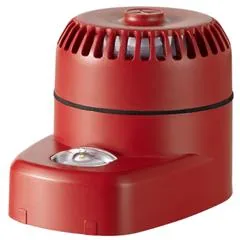
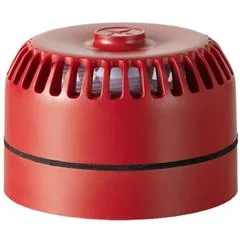
Next choose the form and the output. A base sounder fits under a detector on the ceiling, while a wall or open-area sounder mounts on its own; Morley by Honeywell and Siemens also offer sounder beacon bases. The alarm must be clearly heard above normal background noise, so compare the listed output: Ravel sounder bases give 80 dB at 1 m, Apollo XP95 sounder bases up to 91 dB(A), Ceasefire Intelli-Sense base sounders up to 94 dB at 1 m, Apollo XP95 open-area sounders 92 or 100 dB(A), Bosch FNM-420 addressable sounders up to 101.3 dB(A) indoors and 102.5 dB(A) outdoors, Bosch FNM-320 conventional sounders up to 112 dB(A), and the Bosch PA 10-SSM industrial sounder 117 dBA. Tones range from a single fire engine siren on the Ravel mini horn to 15 tone pairs on Apollo Soteria, Discovery and Intelligent sounders and 32 tones on Ceasefire, Bosch and Siemens Roshni sounders. EN 54-3 is the EN 54 part for fire alarm sounders; Ravel lists UL 464 on some sounders and System Sensor lists UL for its L-Series horn strobe.
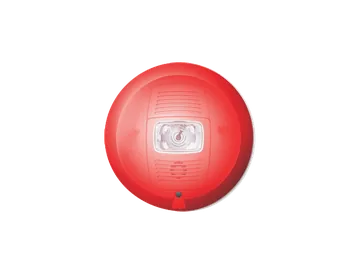
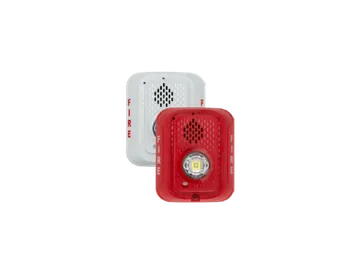
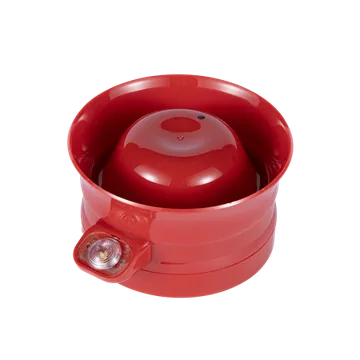
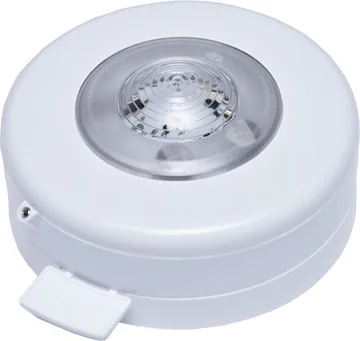
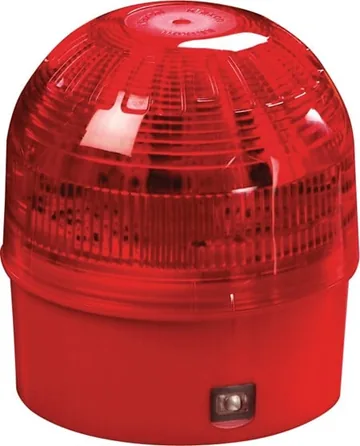
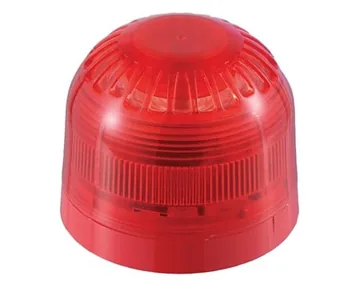
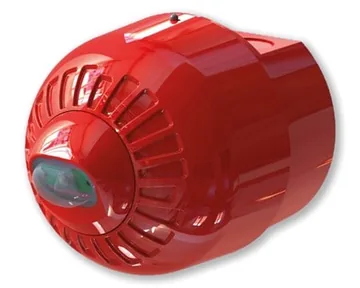
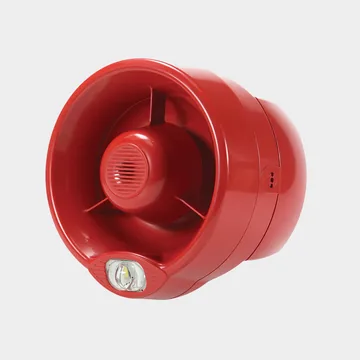
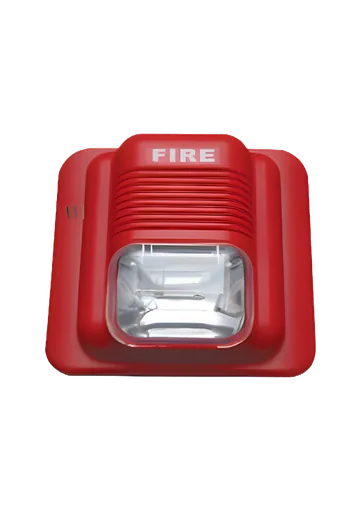
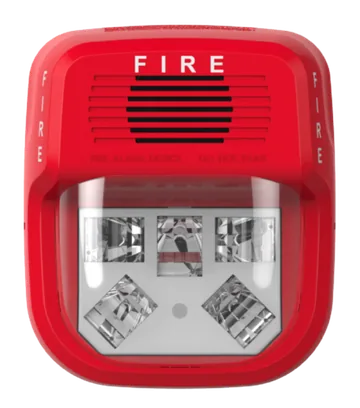
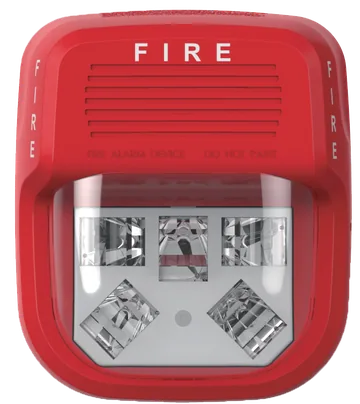
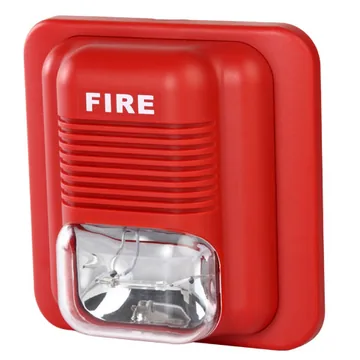
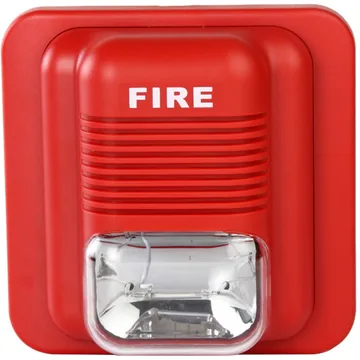
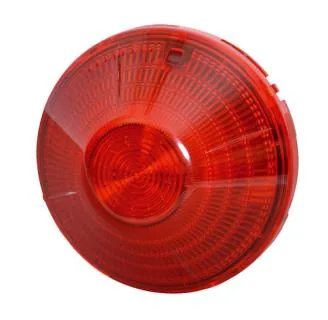
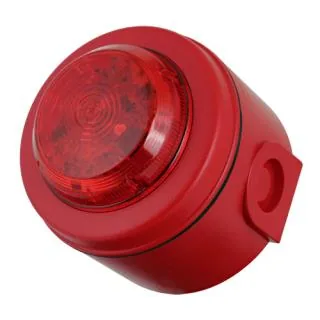
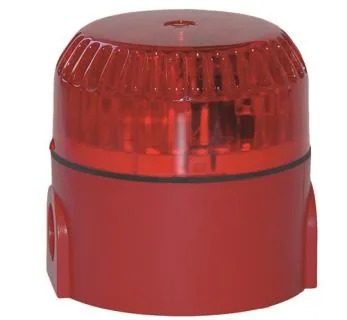
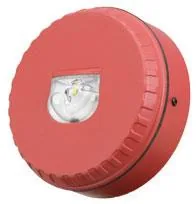
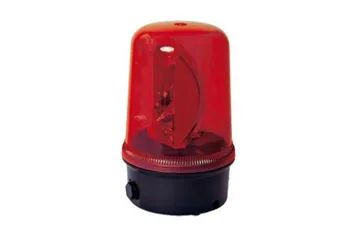
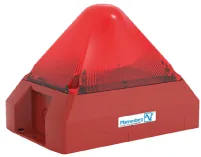
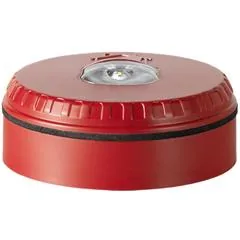
Add visual alarms where a sounder alone may not be enough, such as noisy workshops and machine rooms, or where deaf or hearing impaired people may be present. Devices certified to EN 54-23 state a category and coverage: C for ceiling, W for wall and O for open class, as in W-3.1-10 or C-3-8. Morley by Honeywell, Apollo, Ceasefire, Bosch and Siemens list EN 54-23 models, and the Siemens low current beacons cover up to 7.5 m, switchable to 2.5 m to save power in places such as bedrooms, bathrooms and toilets. Ravel strobes (RE-716SS, RE-716ST) and the System Sensor P2RLED are set in candela instead, with Ravel offering 15, 30, 75 and 110 cd. A visual indicator (VID) gives supplementary flashing only. Xenon strobes such as the Bosch PY X-M-10-SSM (10 J) are listed for a large signalling area, and the Bosch halogen rotating beacon works indoors or outdoors.
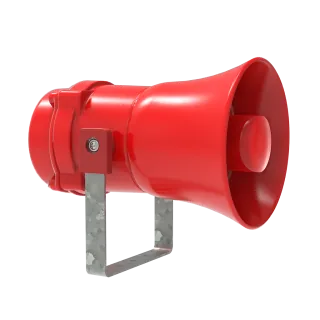
Some sites need a special device. For hazardous areas, the Apollo Conventional I.S. open-area sounder is ATEX and IECEx certified, and the Bosch BEXS110D-24 Ex-proof sounder is ATEX approved for 2G (zones 1 and 2) and 2D (zones 21 and 22). Voice sounders add a spoken message to the tone: the Siemens FDS225, FDS227 and FDSB227 carry 15 built-in languages, and the Apollo Discovery voice sounder has four pre-set message pairs. Bosch uninterruptible sounders keep signalling even in a broken LSN stub, and the FNM-420U-A-BSRD with its power source keeps the alarm for 30 minutes after a bus fault, in line with VdS 3536. Agni lists 70 to 100 V AC (PA system) operation for its conventional hooters, Ceasefire offers a sounder beacon for its pressure switch compatible automatic extinguishers, and the Soft-Chip response indicator (RI) lights outside a closed room or ceiling void when a detector inside operates.