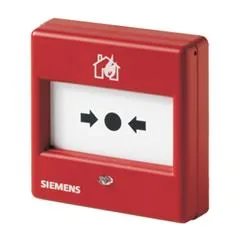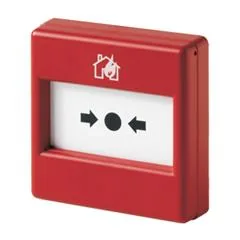
Notifier
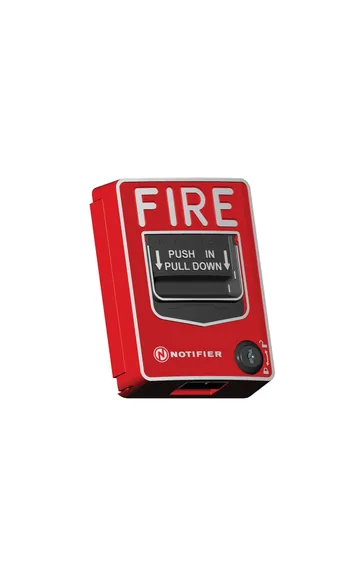
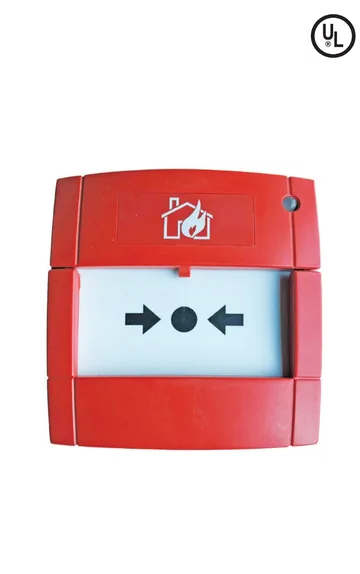
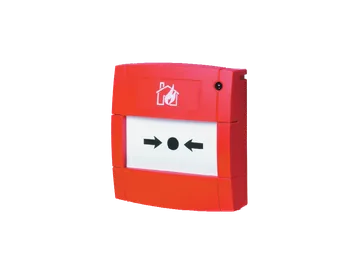
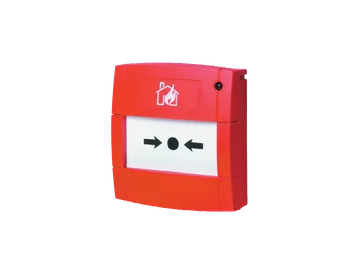
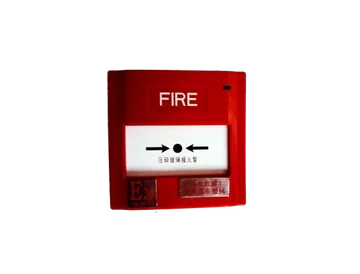
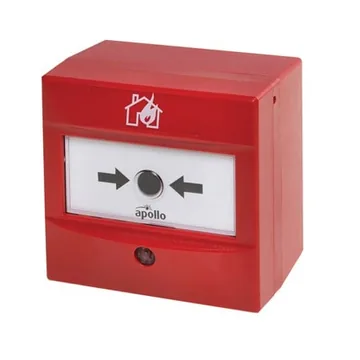
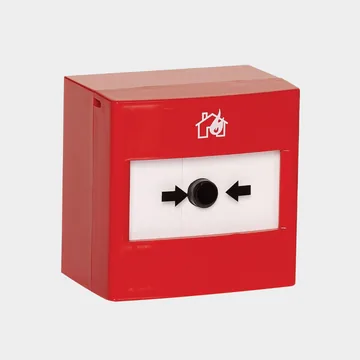
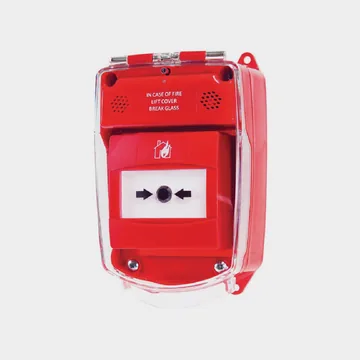
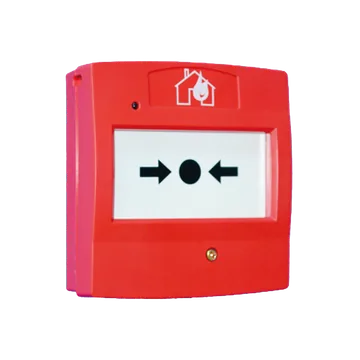
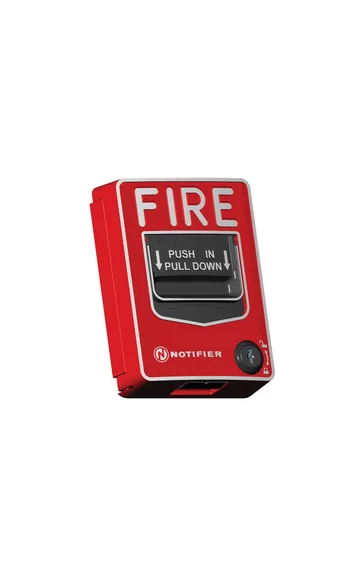
Notifier NBG-12LX Addressable Dual-Action Pull Station
A dual-action pull station with a built-in addressable interface, for any Notifier intelligent panel except the FireWarden series and the NSP-25 panel.
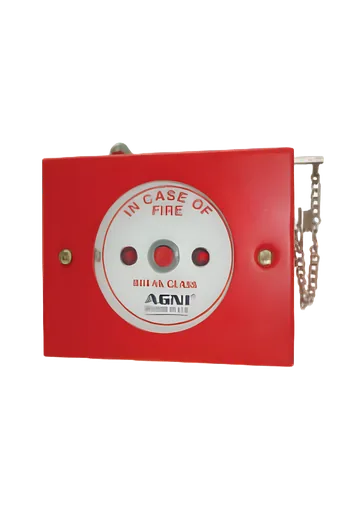
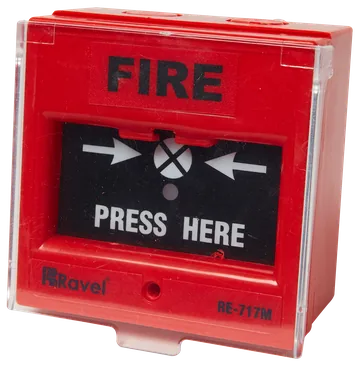
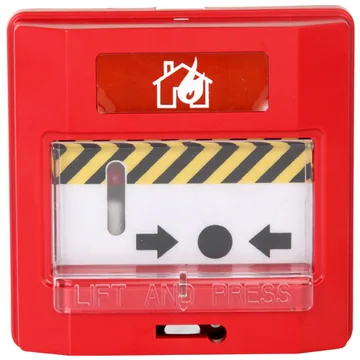
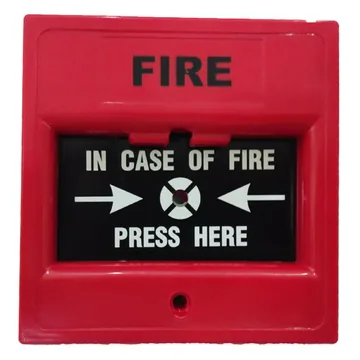
A manual call point lets anyone raise the fire alarm by hand, and is placed along escape routes and near exits so people can sound the alarm on their way out. FPS supplies conventional, addressable, outdoor and hazardous area call points and pull stations from Notifier, Morley by Honeywell, System Sensor, Apollo, Soft-Chip, Ceasefire, Agni, Ravel, Bosch and Siemens in Bhopal and across Madhya Pradesh.
A dual-action pull station with a built-in addressable interface, for any Notifier intelligent panel except the FireWarden series and the NSP-25 panel.
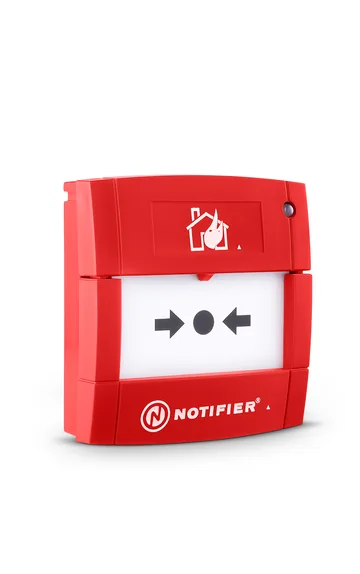
A non-coded addressable call point that gives a Notifier intelligent panel one addressable alarm point. It works with all Notifier intelligent panels and runs automatically in FlashScan mode.
A series of non-coded manual fire alarm pull stations in single-action and dual-action versions, with hex-key and key-lock models, designed with the installer and the end user in mind.
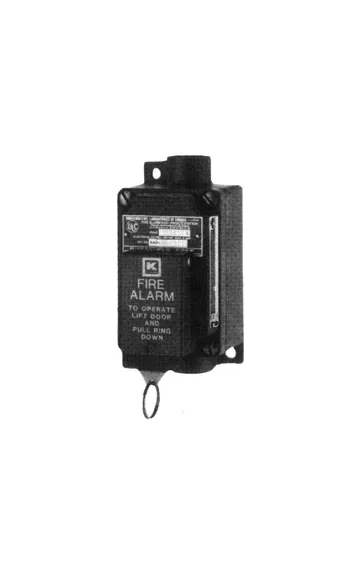
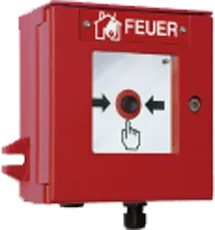
An explosion-proof pull station for hazardous areas and for places where fire alarm or signal circuits need emergency manual control.
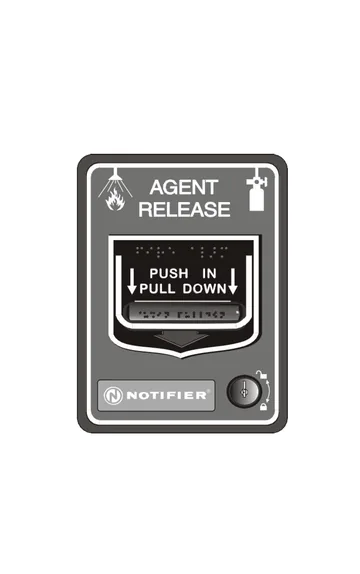
Non-coded, dual-action agent release stations (NBG-12LR, NBG-12LRA and NBG-12LRAA) for Notifier fire alarm panels with releasing capability and RP Series releasing systems.
An addressable break glass call point for the Morley UL range, addressed with a rotary decade switch and tested with a specialist key that lowers the glass and releases the micro-switch.
A red conventional indoor call point with a plug and play terminal block, available without a backbox (MCP2A/R470FF/01) or with a backbox (MCP2A/R470SF/01). It can be set up as break glass or resettable by changing the element.
A single-pole flexi-element call point for flush mounting, with a plug and play terminal block and a choice of break glass or resettable operation.
A dual-pole flexi-element call point supplied with a backbox for surface mounting, with a plug and play terminal block and a choice of break glass or resettable operation.
A flexi-element call point supplied with a backbox for surface mounting, with a plug and play terminal block and a choice of break glass or resettable operation. Confirm the contact arrangement with FPS when ordering.
A flexi-element call point supplied with a backbox for surface mounting, with a plug and play terminal block and a choice of break glass or resettable operation. Confirm the contact arrangement with FPS when ordering.
An intrinsically safe break glass call point for 2-wire fire alarm systems in hazardous environments where combustible gas is present. It connects to a compatible panel or through a monitoring module.
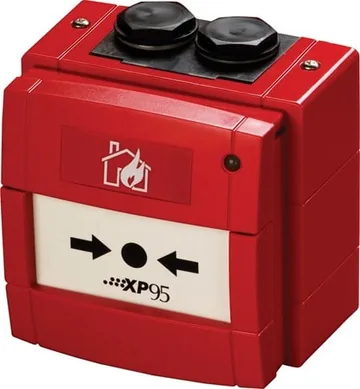
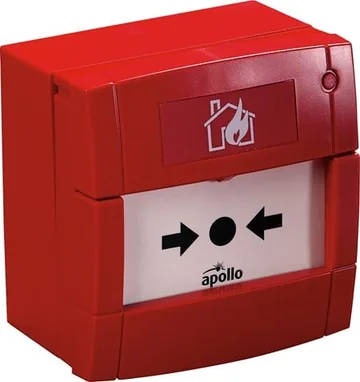
An addressable manual call point for raising the fire alarm by hand, with a resettable operating element and a built-in isolator. It works with XP95, Discovery and CoreProtocol.
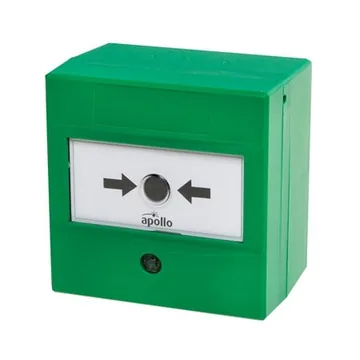
A green addressable call point commonly used to release secure doors or barriers by hand in an emergency. It works with XP95, Discovery and CoreProtocol.
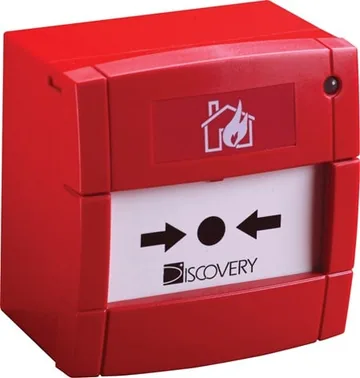
A Discovery addressable call point with a built-in isolator that reports an alarm to the panel in under 0.2 seconds. It works on XP95 and Discovery loops.
The non-isolating Discovery addressable call point, reporting an alarm in under 0.2 seconds on XP95 and Discovery loops.
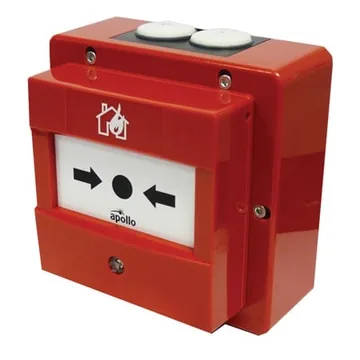
A weatherproof Discovery call point for outdoor use on XP95 and Discovery loops, reporting an alarm in under 0.2 seconds.
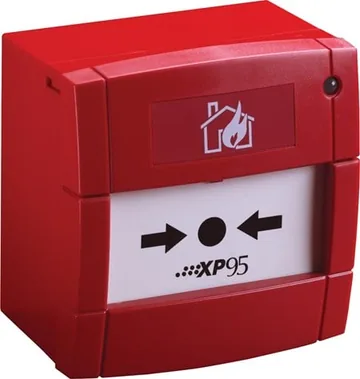
An XP95 addressable call point with a built-in isolator that reports an alarm in under 0.2 seconds, for XP95 and Discovery loops.
The non-isolating XP95 addressable call point, reporting an alarm in under 0.2 seconds on XP95 and Discovery loops.
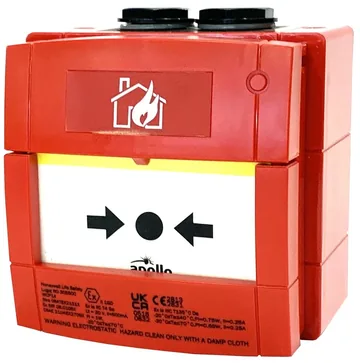
An intrinsically safe addressable call point for areas where explosive atmospheres are or may be present, suitable for Zones 0, 1 and 2 and for weatherproof use.
A conventional call point for raising the fire alarm by hand, with a resettable operating element and an LED viewable over 170°.
A Series 65 conventional call point without an LED, certified to EN 54-11, with plug and play terminals for faster wiring.
A weatherproof conventional call point for outdoor areas, with a resettable operating element and an LED viewable over 170°.
An intrinsically safe conventional call point for areas where explosive atmospheres are or may be present, suitable for Zones 0, 1 and 2.
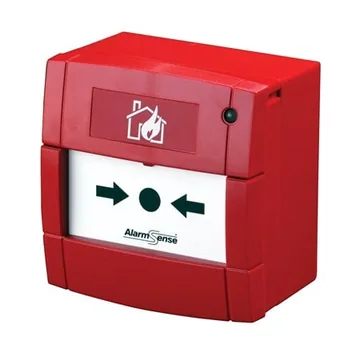
The manual call point for AlarmSense systems, certified to EN 54-11, with plug and play terminals for faster wiring.
Single action push button call point for addressable loops, with a built-in short circuit isolator and a resettable operating element. Approved to EN 54-11 and EN 54-17 and certified by LPCB; TI-002431 is the new variant.
Red polycarbonate housing that protects a CFX-Plus call point from weather and misuse, rated IPX5 to BS EN 60529. An optional 90 dB tamper alarm with a low battery LED helps reduce unwanted alarms.
An addressable call point for FYRLAAST systems with a resettable, non-breakable element and a reset key. An LED shows when it has been activated.
A conventional call point in flame retardant (FR) polymer ABS, with an unbreakable glass behind a front protection cover. It suits the majority of conventional fire alarm systems.
A conventional break glass call point with an MS (mild steel) body. It suits the majority of conventional fire alarm systems and can be flush or surface mounted.
An analogue addressable call point for Ravel's multi loop system, certified to EN 54-11 Type A for indoor use and resettable with an element kit.
An analogue addressable call point for Ravel's single loop system, with a built in isolator and soft addressing from a programming tool.
A red resettable call point for conventional fire alarm systems, in a plastic housing with a red alarm LED.
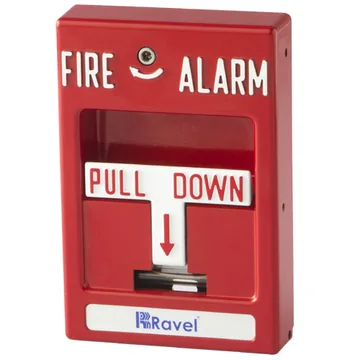
A red die cast manual pull station with a lift and pull action and a break glass cover, listed by Ravel for its multi loop and conventional systems. Ravel provides a UL certificate for it.
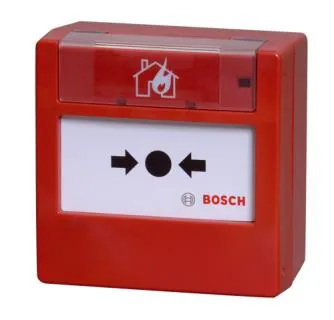
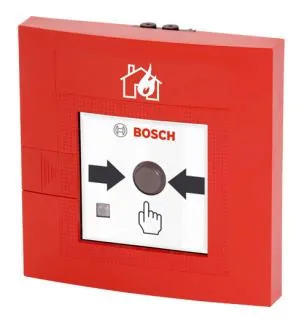
An analog addressable single action (type A) call point for indoor surface mounting on Bosch LSN and LSN improved systems, in a glass pane version or a resettable version.
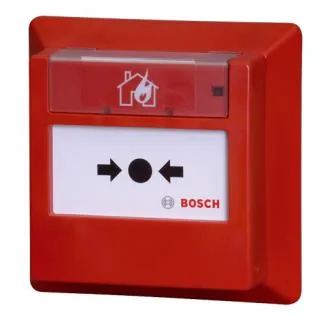
The flush-mount version of the FMC-420RW analog addressable single action call point for indoor use, in a glass pane version or a resettable version.
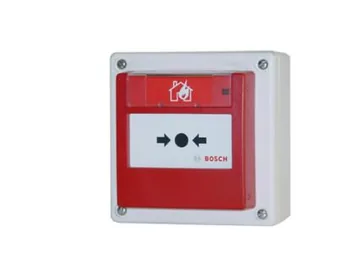
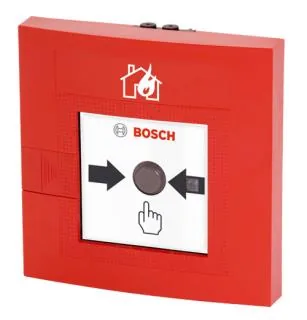
The outdoor version of the FMC-420RW analog addressable single action call point, surface mounted and rated IP67, in a glass pane version or a resettable version.
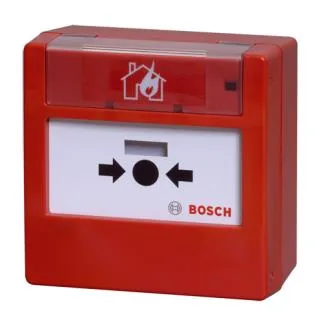
An analog addressable double action (type B) call point with glass pane for Bosch LSN and LSN improved systems, as the indoor form G (FMC-210-DM-G-R) or the outdoor form H (FMC-210-DM-H-R).
An analog addressable single action (type A) call point with glass pane for indoor use on Bosch LSN and LSN improved systems.
A conventional single action (type A) call point with glass pane for indoor surface mounting on conventional fire alarm systems.
A resettable conventional single action (type A) call point for indoor surface mounting on conventional fire alarm systems.
A conventional indirect (type B) call point for indoor use (FMC-120-DKM-G-R) or outdoor use (FMC-120-DKM-H-R), with a second contact for panel control.
A conventional, indirect action call point in a robust weatherproof housing for manual alarm in explosion risk zones 1, 2, 21 and 22, encapsulated so it needs no safety barrier.
A conventional, two-wire indirect action (type B) call point in an impact resistant polycarbonate housing for zone 1 and 2 areas at risk of explosion.
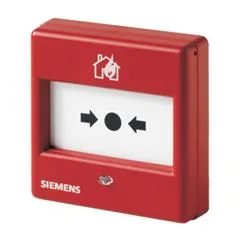
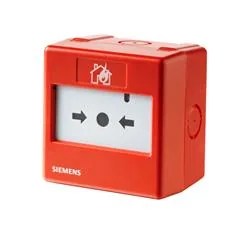
An indoor addressable call point for FDnet and C-NET lines with direct actuation, offered with a resettable plastic element (RP) or a glass insert (RG).
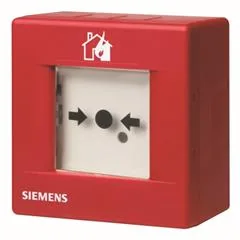
An addressable call point with its housing base included and a resettable plastic element, rated IP66 for indoor and outdoor use.
An addressable call point with its housing base included and a glass insert, rated IP66 for indoor and outdoor use.
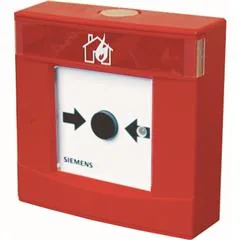
A complete addressable call point with a resettable plastic insert, back box, electronics and key FDMK231 in one item.
An addressable call point with direct actuation by glass insert for indoor and outdoor use, built from a separate housing and switching unit.
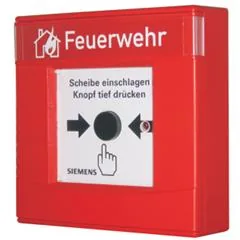
A complete addressable call point with a door and glass, where the user breaks the glass and presses the button, for indoor and outdoor use.
An addressable call point with direct actuation by glass insert for indoor and outdoor use, built from a separate housing and switching unit.
A heavy duty addressable call point for indoor and outdoor use, equally suited to wet, humid and dusty areas such as tunnels and industry.
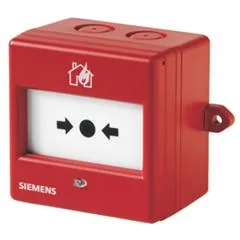
A very hard-wearing addressable call point with indirect activation for surface mounting outdoors and in humid environments, for Sinteso FS20 and Cerberus PRO FS720 systems.
An addressed call point for potentially explosive areas on FDnet-Ex or C-NET-Ex lines, for Sinteso FS20 and Cerberus PRO FS720 systems.
An indoor addressable call point for Cerberus FIT C-NET systems, with direct actuation by a resettable plastic element.
An indoor conventional (collective) call point for SynoLINE600 lines with direct actuation, offered with a resettable plastic element (RP) or a glass plate (RG).
An indoor conventional call point for conventional/SynoLINE300 lines on AC or DC 28 V, with a resettable plastic element.
The Morley-IAS addressable break glass call point for EN systems, with a rotary decade switch for addressing and a test key for full functional testing.
A manual call point for raising the fire alarm by hand, used with Soft-Chip fire alarm control panels. Specifications are confirmed on enquiry.
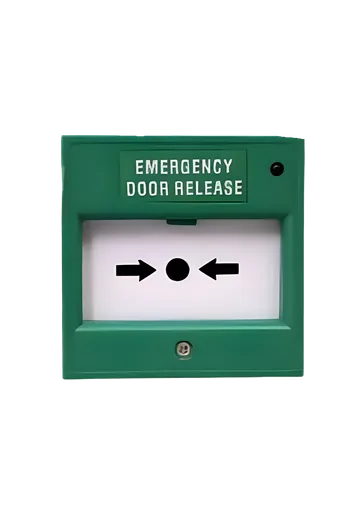
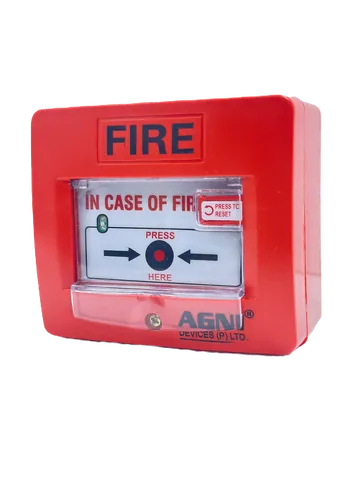
An emergency door release unit listed in Agni's conventional call point range. Agni publishes no feature details for it online, so FPS confirms the specification on enquiry.
Start with the fire alarm panel, because a call point must suit its system. Conventional call points report by zone: examples are the Apollo Series 65, the Agni FR ABS and MS body models, the Bosch FMC-300RW and FMC-120-DKM, the Siemens Cerberus FIT FDM1101 (SynoLINE600) and FDM1101A (SynoLINE300), the Ravel RE-716MR, the System Sensor MCP2A and flexi-element models, and the Soft-Chip MCP for Soft-Chip panels. Addressable call points carry their own address on the loop and must use the panel's protocol: Apollo XP95, Discovery or CoreProtocol, Bosch LSN, Siemens Cerberus PRO on FDnet or C-NET, Notifier intelligent panels in FlashScan mode, Morley-IAS or Morley UL, Agni FYRLAAST, Ravel multi loop or single loop, and Ceasefire Intelli-Sense loops, while the Apollo AlarmSense call point is made for AlarmSense systems. The address is set with a rotary decade switch on the Morley models, an 8 way DIP switch on the Ravel RE-717M, a programming tool on the Ravel RE-737M, and automatically or with rotary switches on the Bosch FMC-210 range.
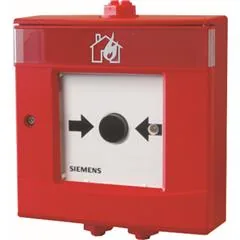
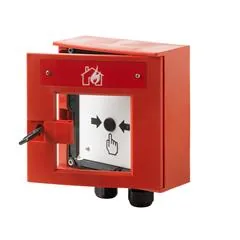
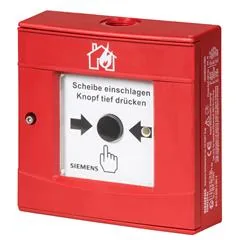
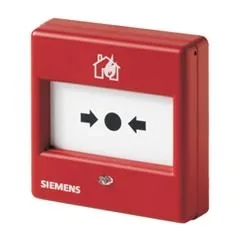
Next choose how it is operated. Single action (type A) models raise the alarm directly when the element is pressed or the glass is broken, while double action (type B) models need a second step, such as breaking the glass and then pressing the button on the Siemens FDM223; Bosch lists both types. A resettable plastic element is reset with a key, while a glass insert is replaced after use: Siemens offers RP (plastic) and RG (glass) versions, Bosch FMC-420RW models come with a glass pane or resettable, and System Sensor flexi-element call points change between break glass and resettable by swapping the element. Pull stations use a handle instead: the Notifier NBG-12 series comes in single and dual action and meets UL 38, and Ravel offers the RE716P-1T single action and RE716P-1TLP (R) dual action stations. On addressable loops, a built-in short circuit isolator to EN 54-17 keeps the rest of the loop working after a fault; the Apollo isolating models, the Ceasefire Intelli-Sense and the Ravel RE-737M have one, and Bosch lists two integrated isolators on the FMC-210 range and several FMC-420RW models.
Then match the location. For outdoor, wet or dusty areas there are the Apollo Discovery and Series 65 outdoor models, the Bosch FMC-420RW outdoor version (IP67) and the outdoor H forms of the FMC-210 and FMC-120, the Siemens FDM226 and FDM243H (both IP66), the Siemens FDM224H heavy duty model for tunnels and industry, and the Ceasefire TI-002227 housing, rated IPX5 to BS EN 60529, with an optional 90 dB tamper alarm against misuse. For explosive atmospheres, check the zone and marking: the Apollo XP95 I.S. and Conventional I.S. call points suit Zones 0, 1 and 2, the Bosch 2014/2 suits zones 1, 2, 21 and 22 without a safety barrier, the Bosch DM1103B-EX suits zones 1 and 2, the Siemens FDM223-Ex runs on FDnet-Ex or C-NET-Ex lines, the System Sensor J-SAB-M-M500KEIS is designed to Exia II CT5 Ga, and the Notifier XAL-53 is an explosion-proof pull station.
Finally, pick the colour and approvals. Red is the usual colour for fire alarm call points. Green call points, such as the Apollo SA5900-906APO, are commonly used to release secure doors or barriers by hand, Agni lists an emergency door release unit, and Ceasefire offers yellow, white, green and blue Intelli-Sense variants. For gas suppression, the Notifier NBG-12LR stations are dual action agent release stations for Notifier releasing panels. Approvals differ by maker: EN 54-11, the EN 54 part for manual call points, is listed on most Apollo and Siemens models and on the Ceasefire Intelli-Sense and Ravel addressable call points; LPCB on many Apollo and Siemens models; VdS on most Bosch models; UL listing on the Notifier range, most also FM approved; and ERTL (N), EN 54 and UL listing on the Agni conventional call points. FPS confirms the approval your consultant asks for before ordering.

We handle your complete Fire NOC application and renewal: documentation, liaison with the MP Fire Department and compliance support.
Try "landing valve", "Apollo call point", "9 kg ABC" or a model code.
No products yet. Tap "Add to quote" on any product, then send the whole list to us in one WhatsApp message.