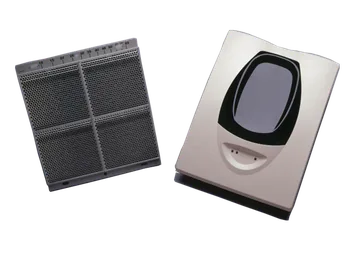
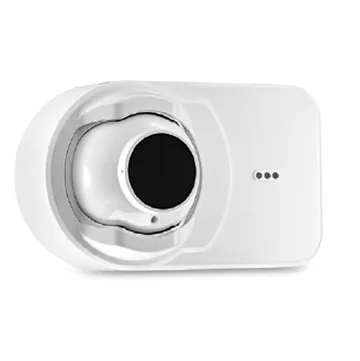
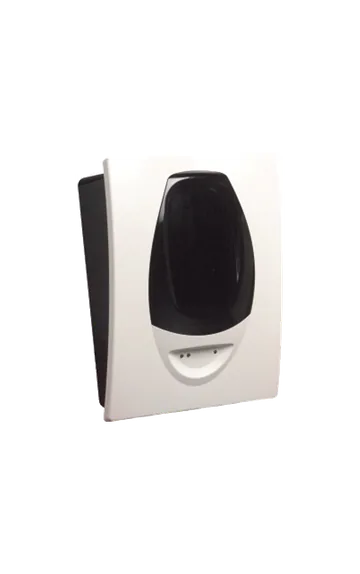
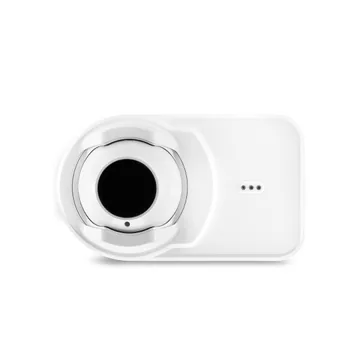
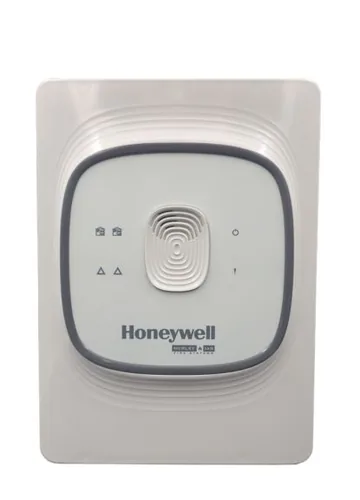
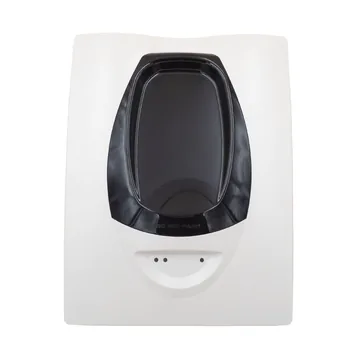
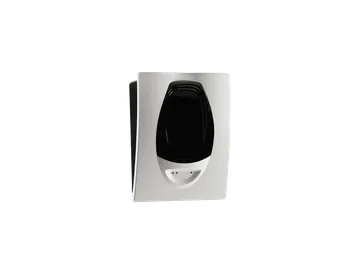
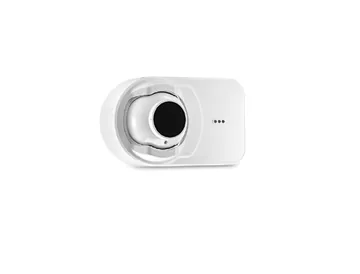
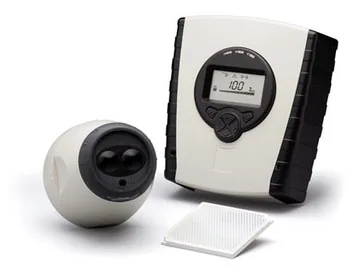
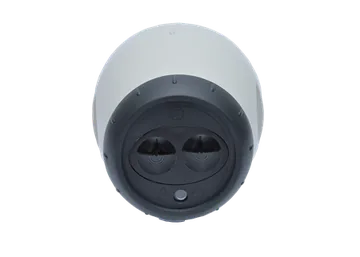
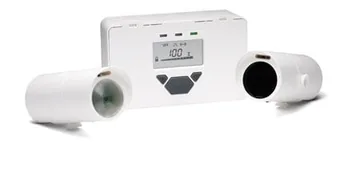
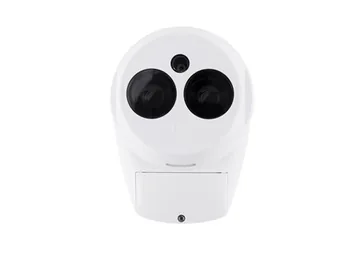
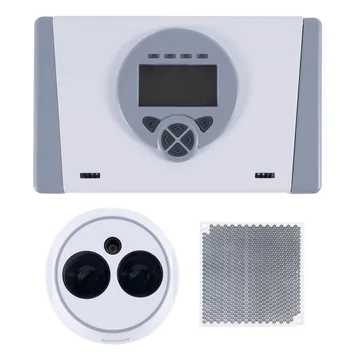
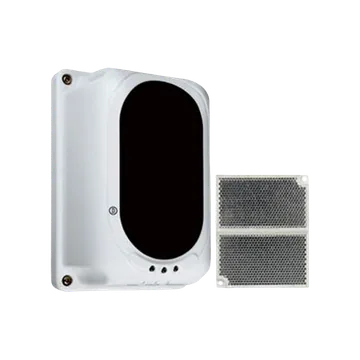
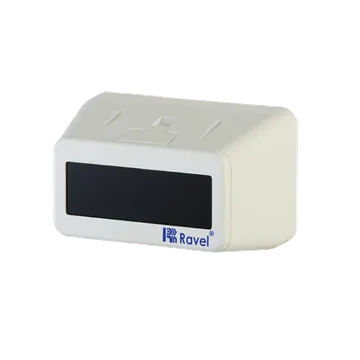
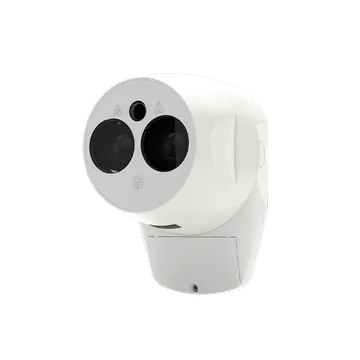
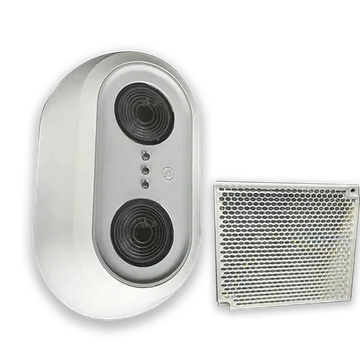
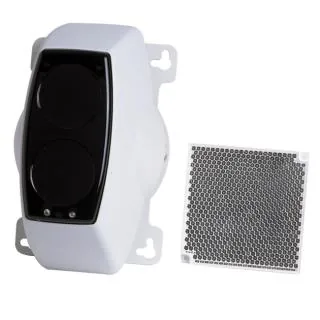
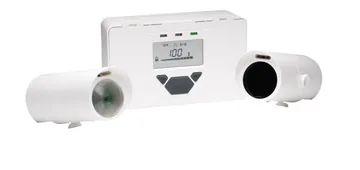
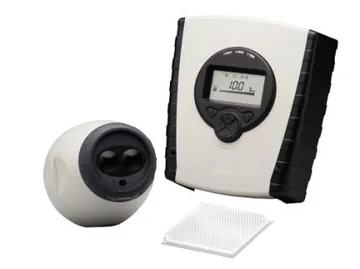
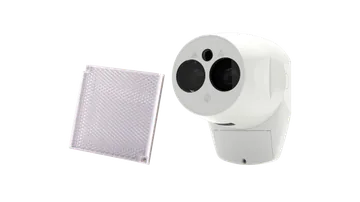
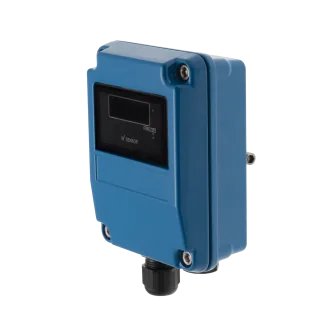
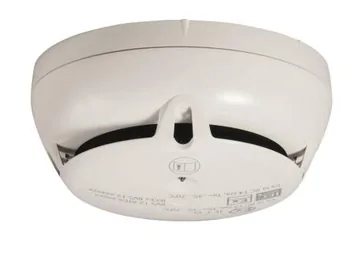
Beam detectors protect large open spaces with high ceilings by sending an infrared beam across the area and raising an alarm when smoke weakens it. A reflective beam has the transmitter and receiver in one head aimed at a reflector, so only one end is wired, while an end to end (dual ended) beam, such as the Honeywell Xtralis OSID-DE, has units at both ends. Match the range to the room: Agni, Apollo reflective and Bosch Fireray5000-EN beams cover 8 to 100 m, the System Sensor 6500RE and Morley by Honeywell MI-LPB2-S3I 10 to 100 m, Notifier, Morley by Honeywell and System Sensor imaging or reflected beams 5 to 100 m, and the Apollo and Bosch end to end beams, Bosch FRAY-ONE-EN and Ravel EazyBeam up to 120 m. Addressable beams sit on the panel loop, conventional ones use fire and fault relays or a conventional circuit, and auto-aligning or remote test models, such as the System Sensor 6500SE, make upkeep at height easier.
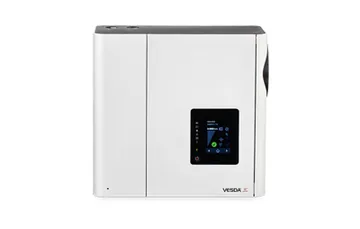
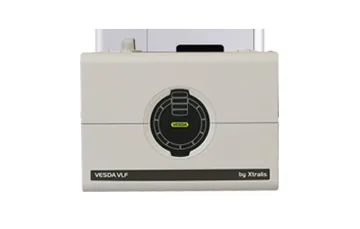
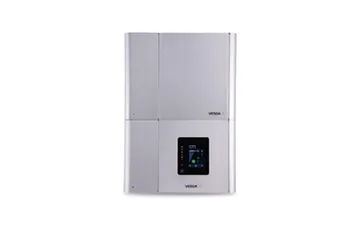
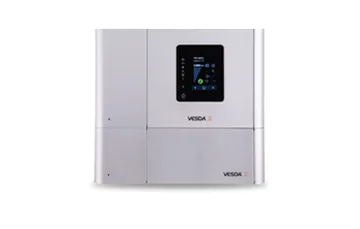
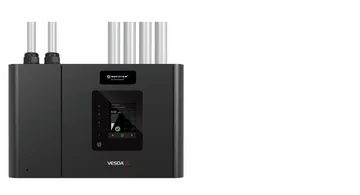
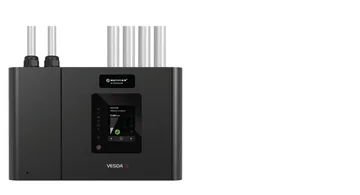
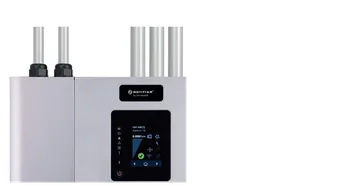
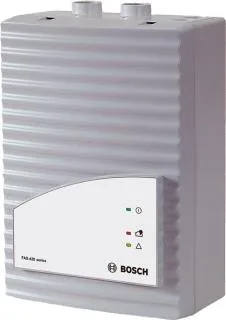
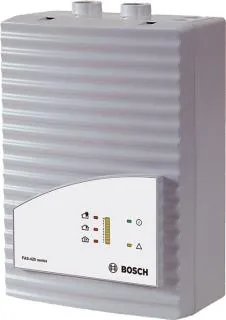
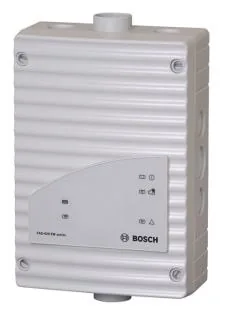
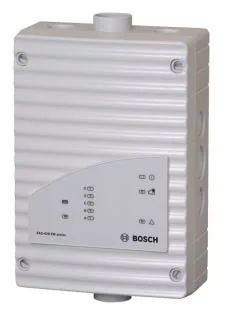
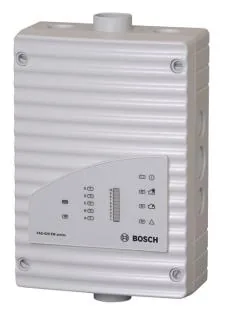
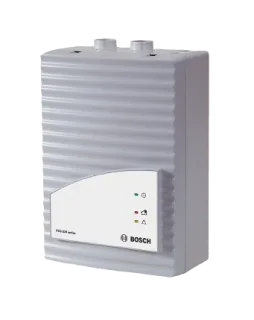
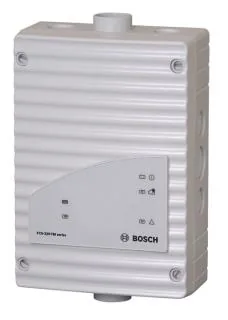
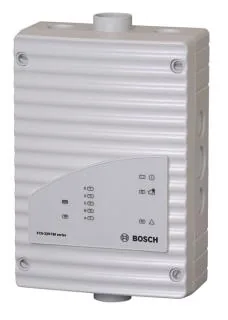
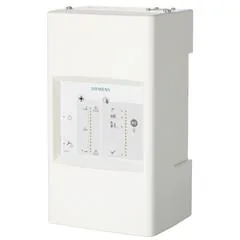
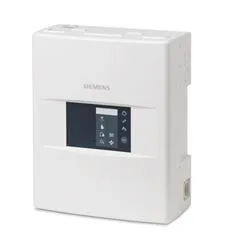
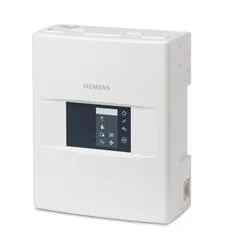
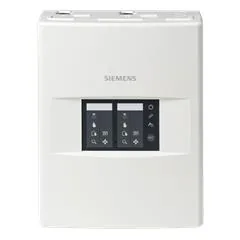
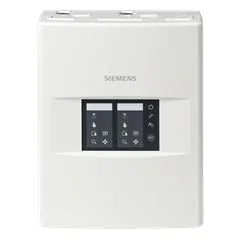
For very early warning in data centres, electrical rooms and other business-critical areas, aspirating smoke detectors draw air continuously through a pipe network to a sensitive detector. Size them by area and pipe layout: the Siemens Cerberus PRO range runs from the FDA221 for up to 500 m² to the two chamber FDA262 for up to 6700 m², the Morley by Honeywell FAAST FLEX covers up to 1600 m2 with one channel or 2000 m2 with two, the Honeywell VESDA VLF-500 suits areas of less than 500 m2, and Bosch offers one or two pipe models in addressable (FAS-420) and conventional (FCS-320) versions, some with room identification across up to five zones. Notifier VESDA-E VEP, VES and VEU detectors have a built-in SLC module for direct connection to Notifier panels.
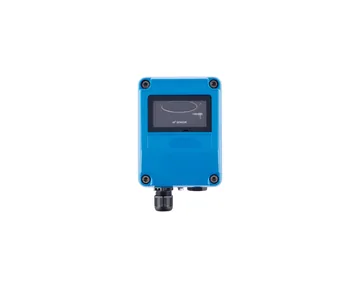
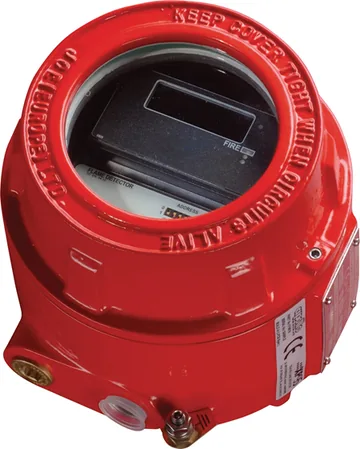
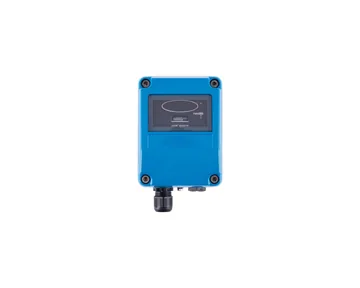
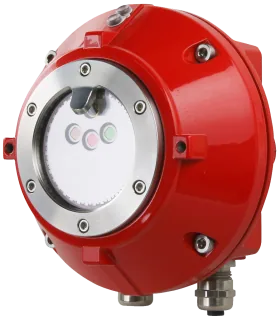
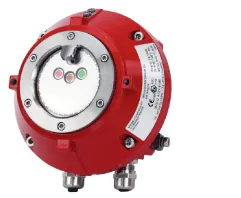
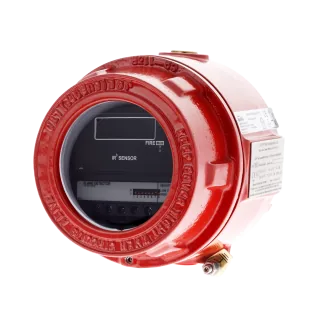
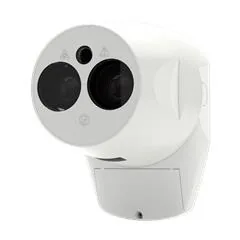
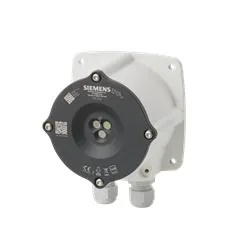
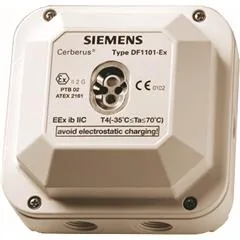
Flame detectors watch for the radiation of open flames, in places such as aircraft hangars, generator rooms and paint works. IR3 and triple IR models read several infrared wavelengths to tell flames from other radiation and keep working through films of oil, dust, water and ice, while UV and UV/IR2 models also react to steady flames with no flicker. Several meet EN 54-10 Class 1: the Apollo conventional IR3 detects a 0.1 m2 fire at 25 m and the Bosch IR3 a 0.33 m² flame at 25 m. For explosive atmospheres, choose a model certified for the zone: flameproof Ex d IR3 detectors from Apollo and Bosch, the Bosch FMX5000 IR Ex for zones 1, 2, 20, 21 and 22, the Siemens FDF242-EX for zones 0, 1 and 2, and Ex smoke detectors such as the Bosch OOH740-A9-Ex and Siemens FDOOT241-A9-Ex.
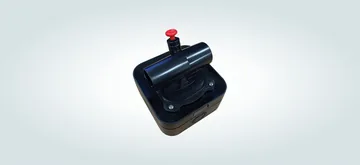
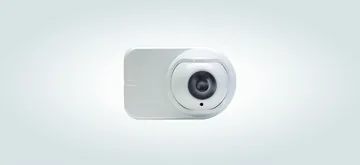
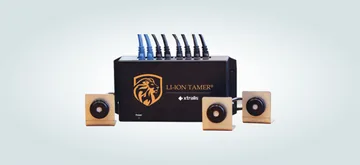
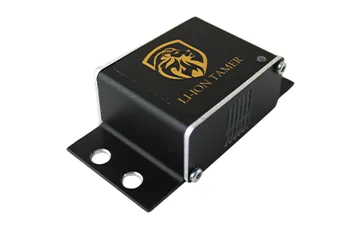
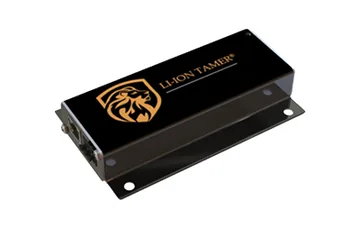
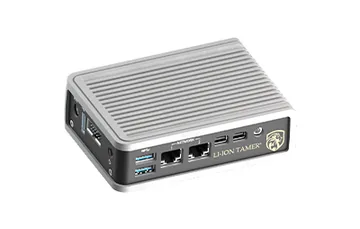
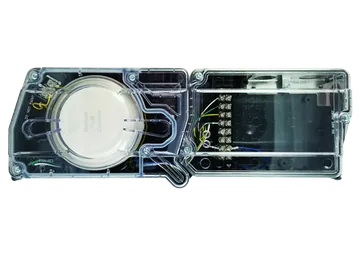
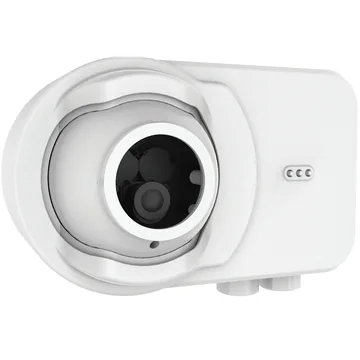
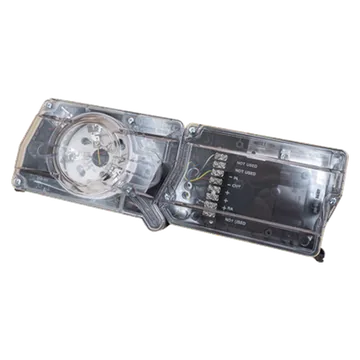
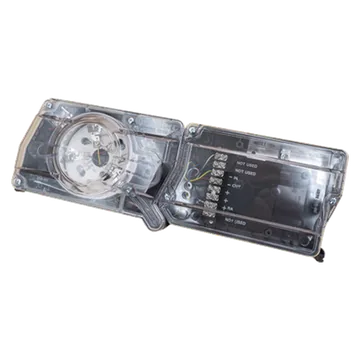
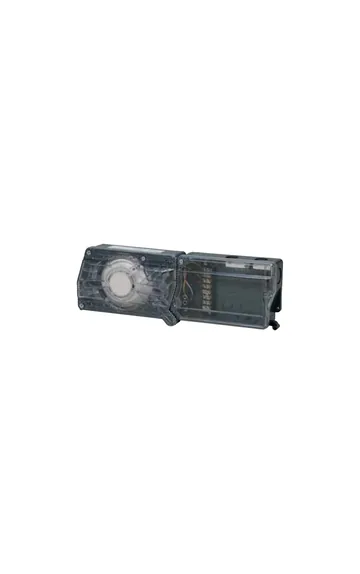
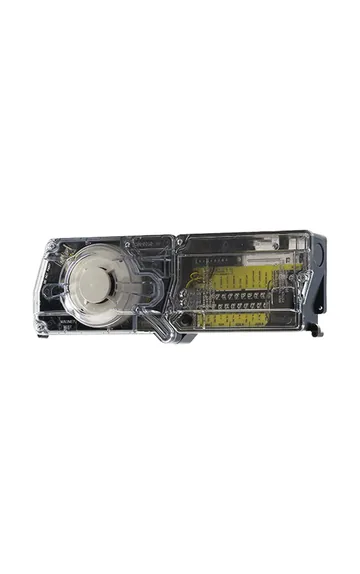
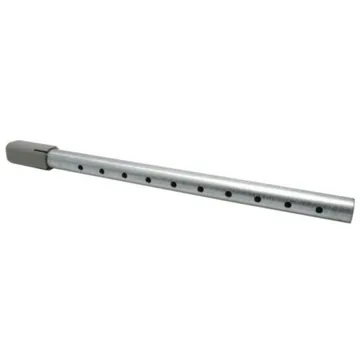
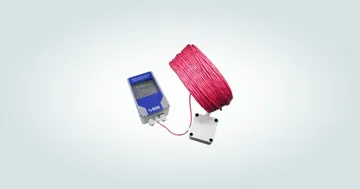
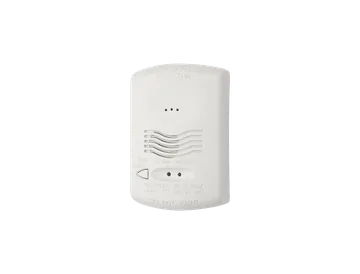
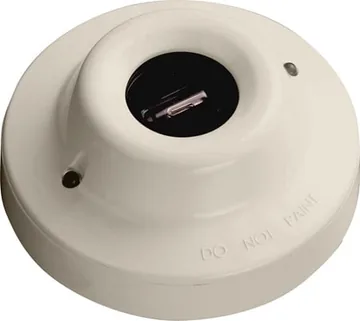
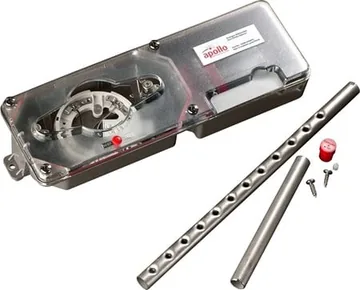
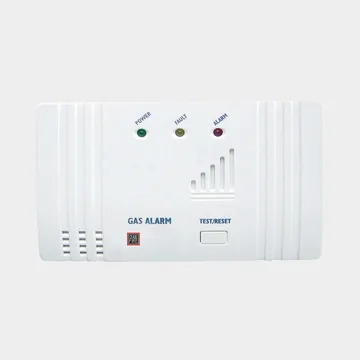
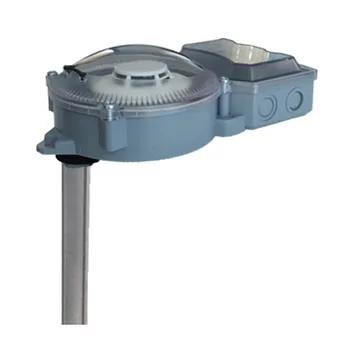
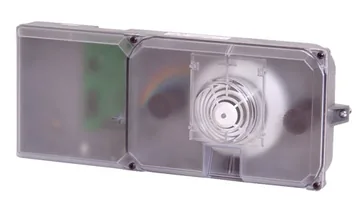
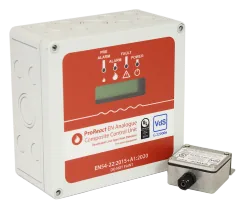
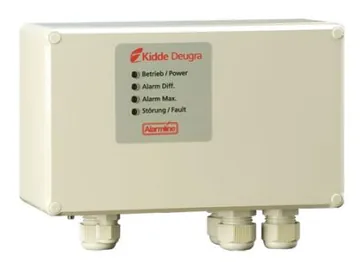
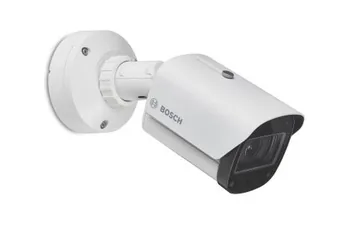
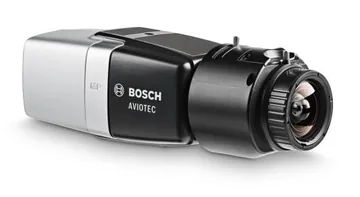
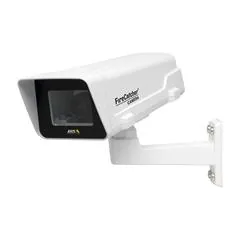
Other detectors solve specific problems. Duct detectors sample the air in ventilation ducts so smoke is not carried round the building: check the air speed rating, such as 1 m/s to 20 m/s for the Bosch FAD-420-HS-EN, 0.5 to 20.3 m/sec for the System Sensor DNRE and 100 to 4,000 ft/min for the Notifier DNR, and choose a System Sensor DST sampling tube to suit the duct width. Linear heat detection cable from System Sensor and Bosch protects long runs, cramped spaces and extreme environments; the System Sensor analogue cable is resettable with a 200 metre zone and the digital cable is non-resettable with a 3000 metre zone. Video fire detection from Bosch AVIOTEC and Siemens FireCatcher spots smoke and flames in camera images. Ceasefire and Ravel gas detectors warn of LPG or natural gas leaks, System Sensor and Ravel offer carbon monoxide detectors, and the Honeywell Li-ion Tamer system detects off-gas from lithium-ion battery racks early in a battery failure.