Notifier
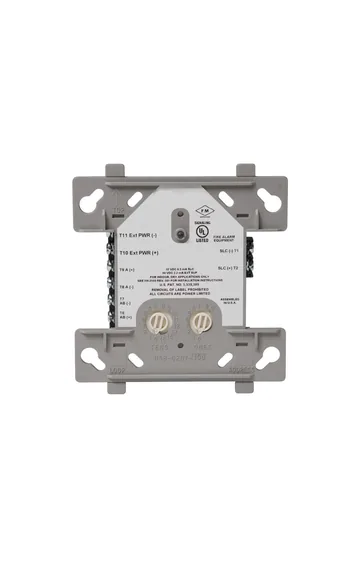
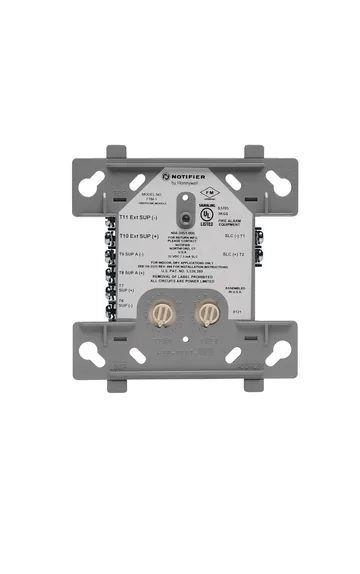
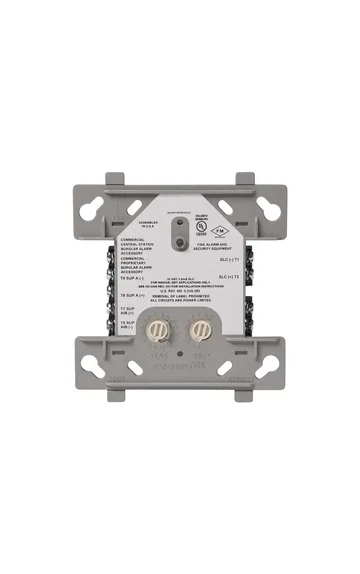
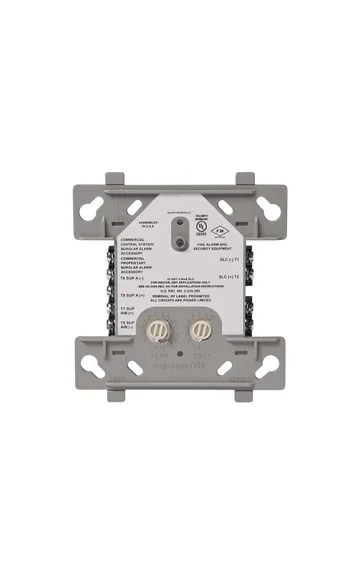
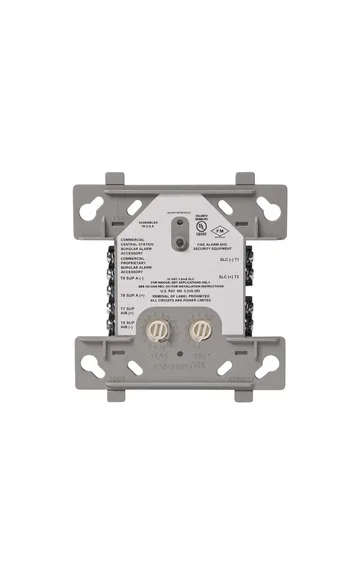
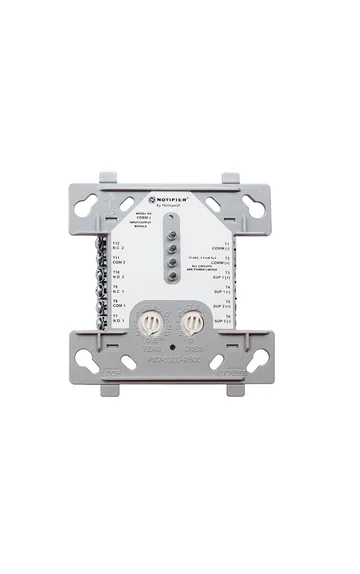
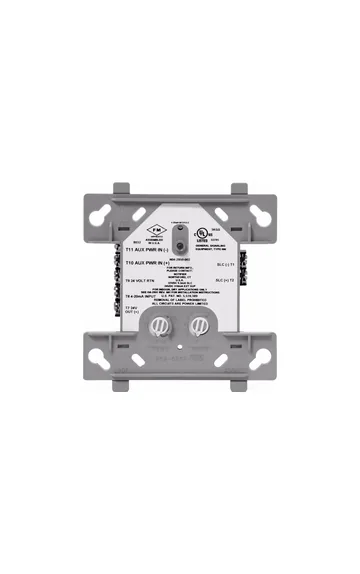
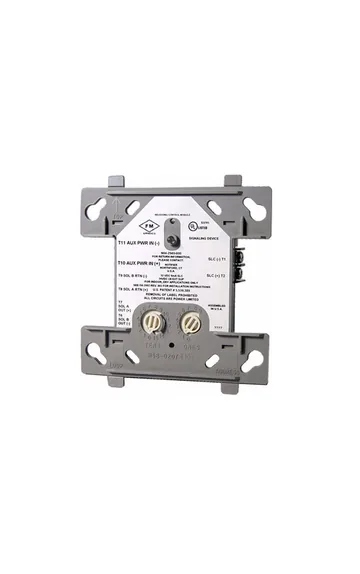
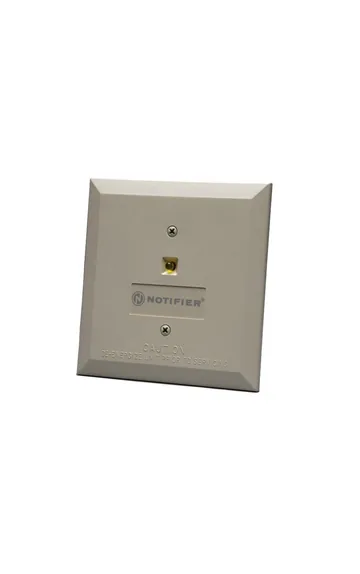
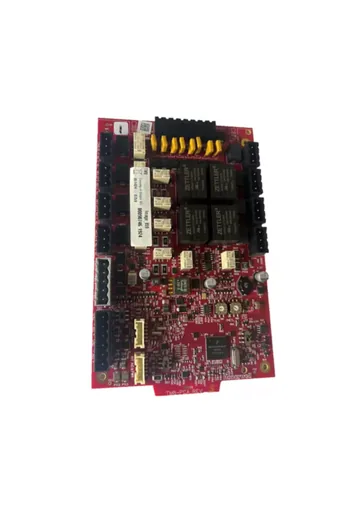
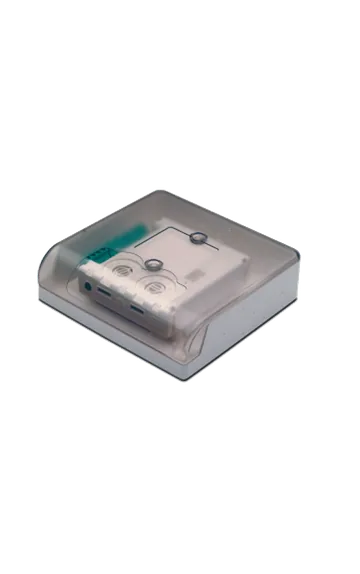
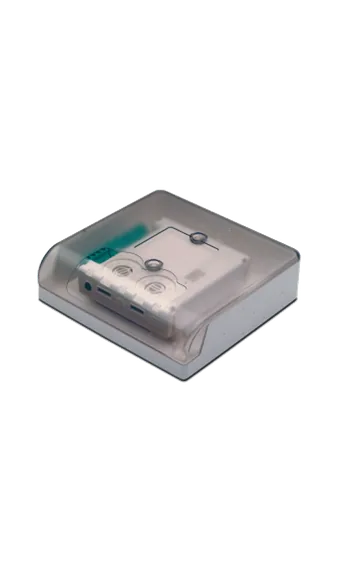
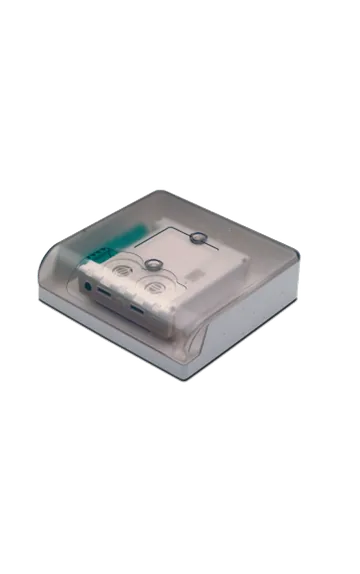
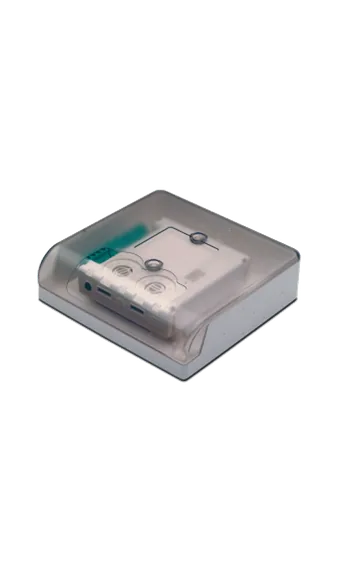
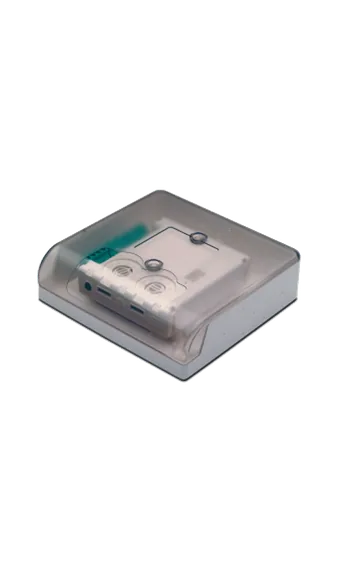
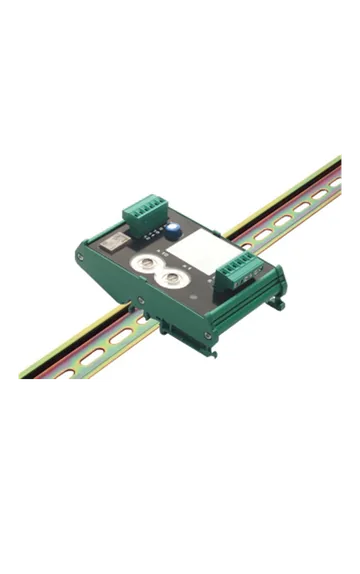
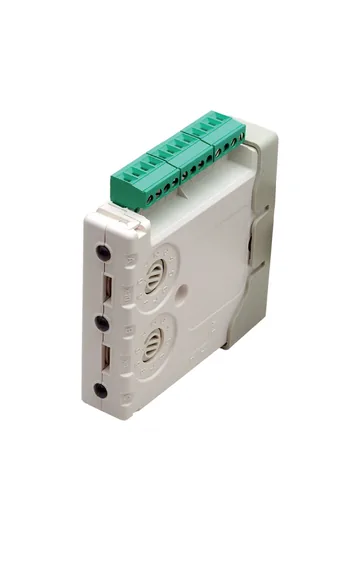
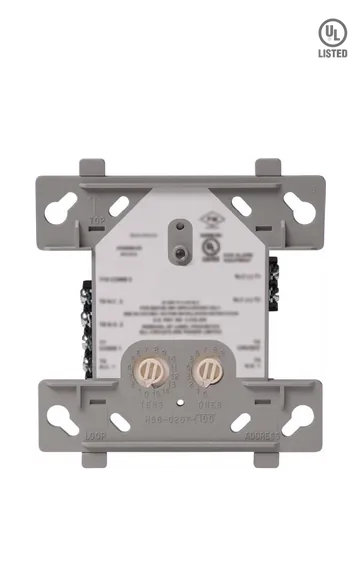
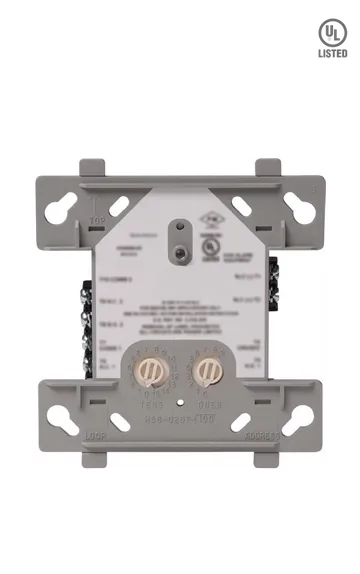
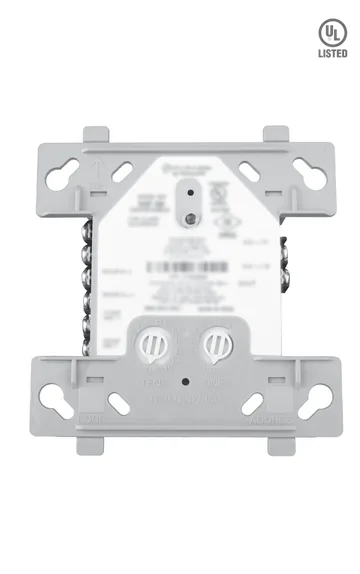
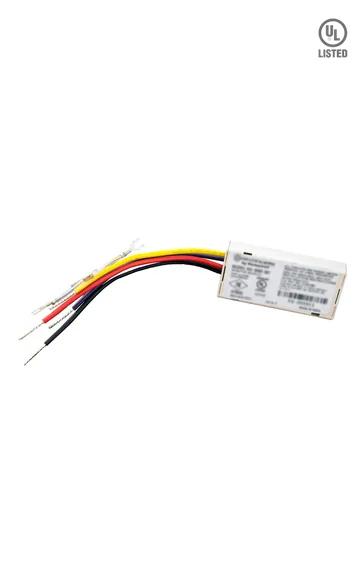
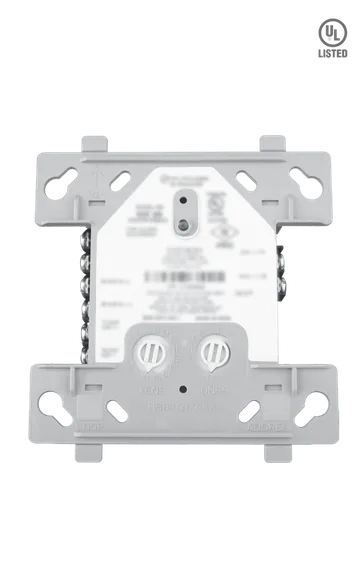
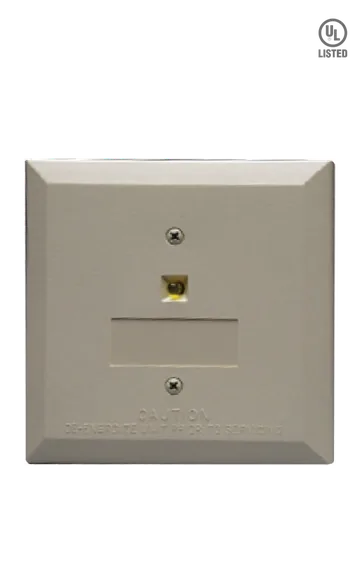
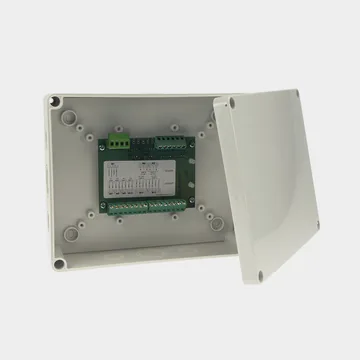
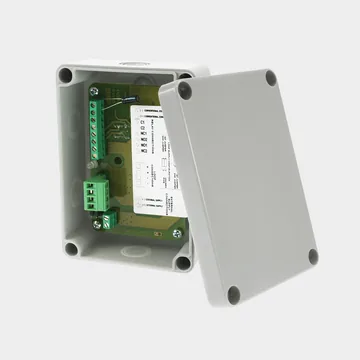
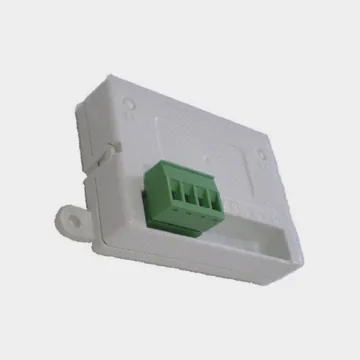
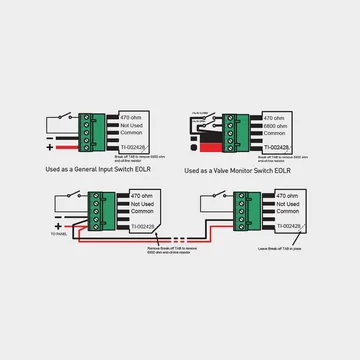
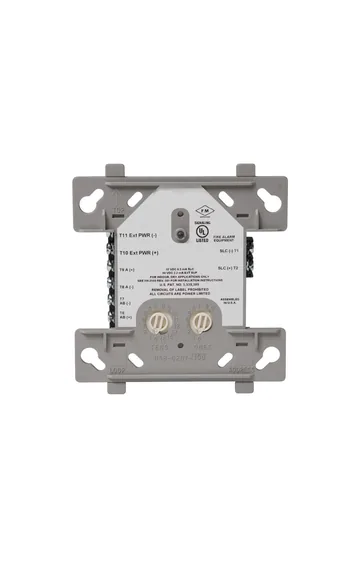
Notifier FCM-1 Addressable Control Module
An intelligent addressable control module that supervises wiring to devices powered from an external supply, such as horns, strobes or bells, with Class A or Class B supervision.
Fire alarm interfaces and modules link an addressable fire alarm loop to the equipment around it: they monitor contacts such as flow switches, switch relays to control fans, dampers and doors, bring conventional zones and sounder circuits onto the loop and isolate short circuits. FPS offers modules, isolators and interfaces from Notifier, Morley by Honeywell, System Sensor, Apollo, Ceasefire, Agni, Ravel, Bosch and Siemens in Bhopal and across Madhya Pradesh.
An intelligent addressable control module that supervises wiring to devices powered from an external supply, such as horns, strobes or bells, with Class A or Class B supervision.
An addressable relay module giving a dry-contact output to switch auxiliary devices such as fans, dampers and control equipment, using one of 159 module addresses on the SLC loop.
A module that lets the fire alarm panel monitor and control a circuit of up to two firefighter phones and connect remote phones to a central telephone console.
An intelligent monitor module that supervises a circuit of dry-contact devices, such as conventional heat detectors and pull stations, or monitors and powers a circuit of two-wire smoke detectors.
A standard-sized zone module that monitors and supervises compatible two-wire, 24 volt smoke detectors on a Style D (Class A) or Style B (Class B) circuit and reports the zone to the panel.
A dual monitor module that gives two independent two-wire initiating device circuits at two consecutive addresses, for fire alarm, supervisory or security contacts.
A small intelligent monitor module that fits inside devices or junction boxes, supervising dry-contact devices or monitoring and powering two-wire smoke detectors.
An addressable module for two-wire loops that combines two relay outputs for Form C switching with two Class B monitor inputs for normally open contacts.
An addressable analogue input module that lets the NFS2-3030 panel monitor and display readings from linear-scale 4 to 20 mA sensors, such as gas, temperature and air speed sensors.
A releasing control module with a redundant protocol: it must be armed and then confirmed within a 3 second window before it activates, and it supervises the solenoid wiring.
An addressable isolator module that protects the fire alarm system against wire-to-wire short circuits on the SLC loops.
An INSPIRE module that gives either remote station service with three reverse-polarity outputs (alarm, trouble and supervisory) or one fire municipal box trip, designed to meet NFPA 72.
A single channel addressable input module for Morley-IAS intelligent panels. It watches an external device and reports normal, open circuit and alarm states to the panel.
A small monitor module that fits in a single gang junction box directly behind the device it monitors, giving a two-wire initiating circuit for normally open fire alarm and security contacts.
A loop isolator for Morley-IAS intelligent panels that protects the addressable loop against wire-to-wire short circuits by disconnecting the faulty section.
A single channel addressable output module that provides either a single alarm circuit or a Form C relay, for door holders, air handling unit shut down and similar functions.
An addressable module with two monitored input circuits and one volt-free changeover relay, for reading external devices and controlling an external circuit.
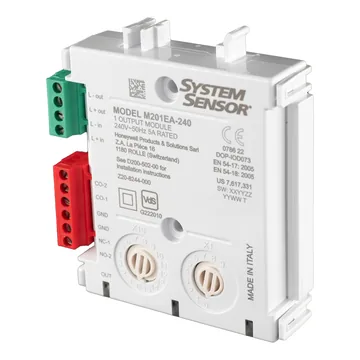
A loop-powered wall mounting output module for switching 240Vac loads, with an unsupervised double pole relay that latches on or off on command from the panel.
A zone module that lets a zone of two-wire non-addressable (conventional) devices communicate with a Morley-EN protocol analogue addressable system.
An addressable control module that switches 24 VDC audible and visual power and provides a circuit for notification appliances such as horns and strobes, activated by panel programming for a selected zone or area.
An addressable relay module that gives a dry contact output for fans, door holders, dampers and control equipment, and can reset four-wire smoke detector power.
A standard-sized monitor module that supervises a Class B circuit of dry contact devices such as four-wire smoke detectors, pull stations and water flow devices. It can also power and monitor two-wire smoke detector circuits.
A miniature monitor module that fits in a single-gang box behind the device it monitors and supervises a Class B circuit of dry contact inputs, powered directly from the two-wire SLC loop.
A standard-sized module that monitors one full zone of compatible two-wire, 24 V conventional smoke detectors on a Class B circuit and reports normal, open or alarm status to the panel.
A fault isolator module that protects the SLC loop against wire-to-wire short circuits, so other devices keep working during a short. It is required for true Style 7 operation.
A loop-powered output module from the Series 200 plus range that controls an unsupervised double pole output for 240VAC loads, latching on or off on command from the panel.
Single and multi-way addressable modules on one mechanical platform that can be box, panel or DIN rail mounted, with the address switch and LEDs visible whichever mounting is used.
The M200EA addressable input and output modules, which can be mounted in a common wall box, on a DIN rail or in their dedicated enclosure, with enlarged light pipes for status.
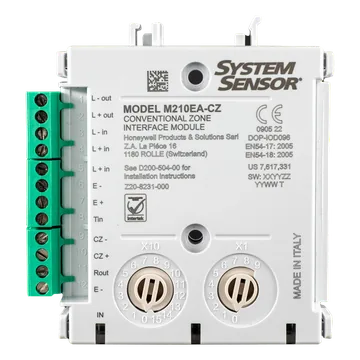
Modules that connect a zone of conventional detectors, or intrinsically safe conventional detectors on the CZR version, to a System Sensor analogue addressable system.
Single input conventional zone modules from the M200EA family, with an end of line capacitor (CZ) or resistor (CZR); the CZR version also accepts intrinsically safe conventional detectors.
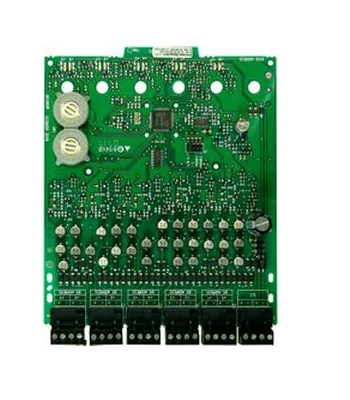
Multi-way addressable modules for places where many single modules would otherwise be needed, each point with its own address set on rotary decade switches.
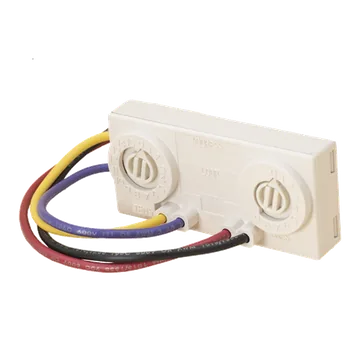
A compact addressable input module for normally open contact devices such as security contacts, waterflow switches and call points, small enough to fit inside devices or junction boxes.
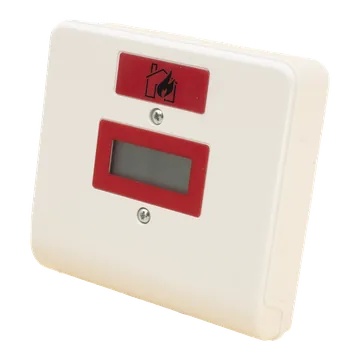
A wall mounted display for Series 300 conventional systems that shows the numeric address of the detector in alarm, so the fire can be located quickly.
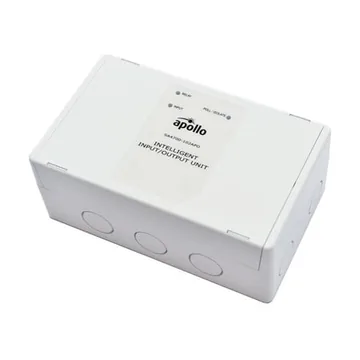
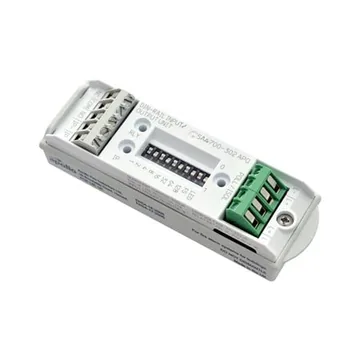
A loop device that monitors single pole, volt-free contact inputs and controls relay output contacts, linking the fire panel to other equipment. It works with XP95, Discovery and CoreProtocol.
An input/output module with two input channels for single pole, volt-free contacts and mains switching relay output contacts.
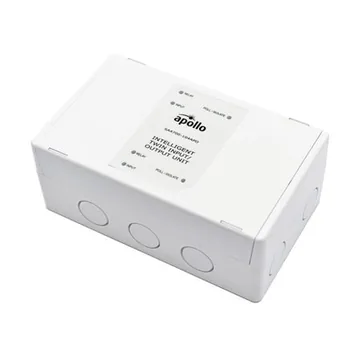
Does the work of two Input/Output Modules in one unit, monitoring single pole, volt-free contact inputs and controlling relay output contacts.
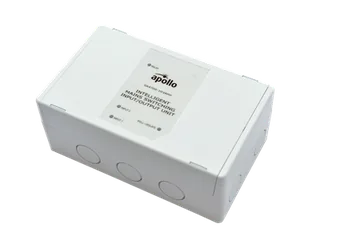
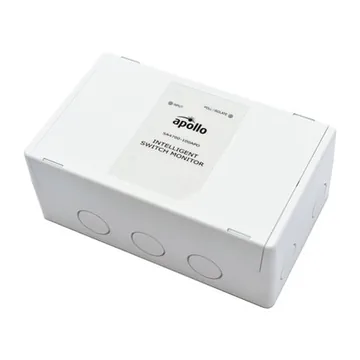
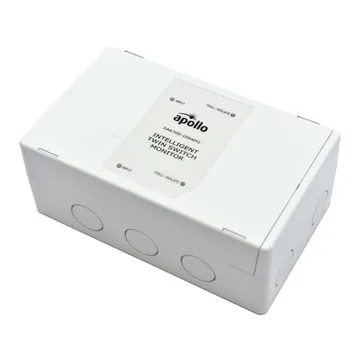
Monitors one or more single pole, volt-free contacts wired on a single pair of cables and reports their status to the fire control panel.
Does the work of two Switch Monitor Modules, each watching one or more single pole, volt-free contacts on a single pair of cables and reporting their status to the fire control panel.
A DIN-rail version of the Intelligent Input/Output Module, monitoring single pole, volt-free contact inputs and controlling relay output contacts from inside a panel or enclosure.
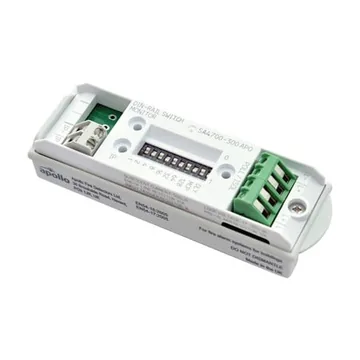
A DIN-rail switch monitor that watches one or more single pole, volt-free contacts on a single pair of cables and reports their status to the fire control panel.
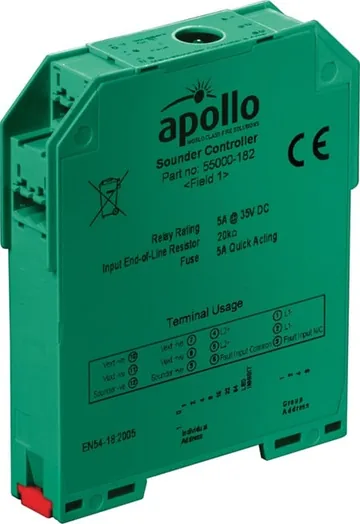
Controls and monitors a circuit of conventional sounders or bells from an addressable XP95 or Discovery loop, with isolation built in.
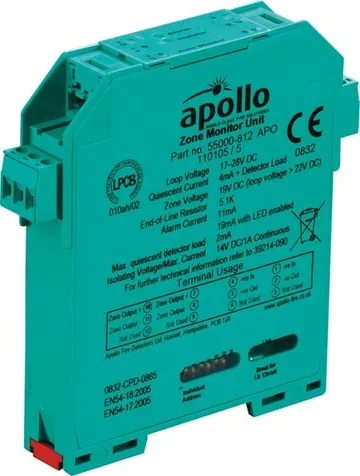
Powers and controls a conventional zone of up to 20 Apollo Series 65, Orbis or equivalent detectors and reports their status to the fire panel, so conventional zones can be added to an addressable system.
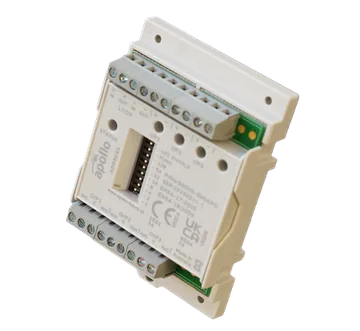
Provides three single pole, voltage-free changeover relay outputs and three monitored switch inputs while using only one loop address, with a built-in short circuit isolator.
A DIN-rail module that controls and monitors a circuit of conventional sounders or bells from an XP95 or Discovery loop, in the 5 ampere version.
A compact DIN-rail switch monitor for tight spaces that watches one or more single pole, volt-free contacts on a single pair of cables and reports their status to the fire panel.
A DIN-rail zone monitor that powers and controls a conventional zone of up to 20 Apollo Series 65, Orbis or equivalent detectors and reports their status to the fire panel.
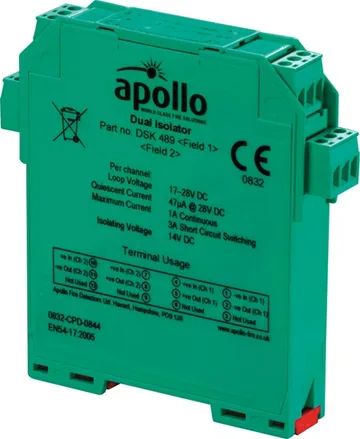
Two independent isolators in one DIN-rail unit that sense and isolate short circuits on Discovery and XP95 loops and spurs.
A loop isolator placed at intervals on the loop so that a short circuit affects only the section between two isolators. It restores power and data to that section automatically once the short circuit is removed.
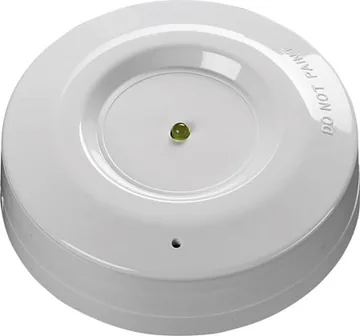
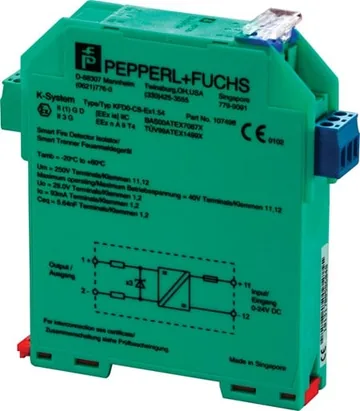
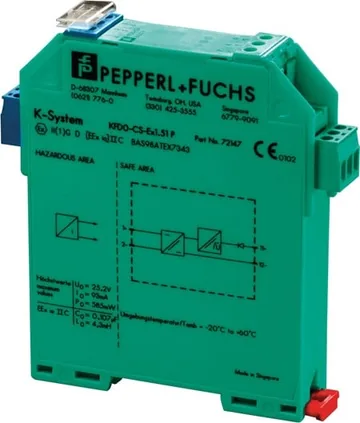
Installed in the safe area, it keeps communication between the control equipment and intrinsically safe field devices sound, and keeps the system within the limits of its BASEEFA approvals.
An XP95 door holder that connects directly to the addressable loop and suits all types of fire door, including critical actuation doors. Addressable control lets the panel close fire doors in the areas in alarm, which helps evacuation in complex buildings.
A galvanic barrier installed in the safe area of an XP95 intrinsically safe installation to keep the system intact and help it comply with the ATEX directive.
A galvanic barrier in the Orbis I.S. conventional range, installed in the safe area to keep the intrinsically safe system intact and help it comply with the ATEX directive.
Interface that links a single Intelli-Sense network to a building management system over BACnet or Modbus, with 640 configurable objects. It is supplied as TI-002334 or as a configured version, TI-002335.
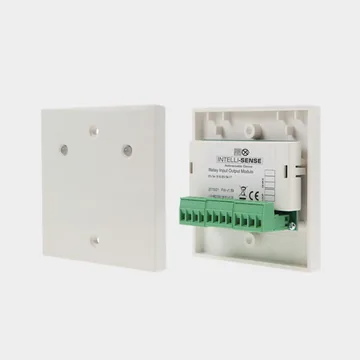
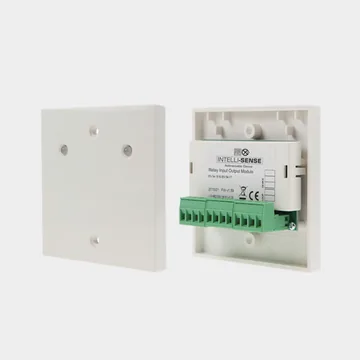
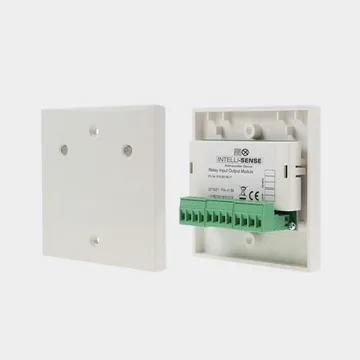
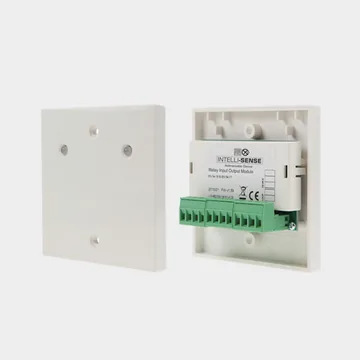
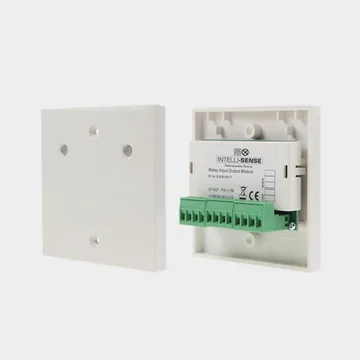
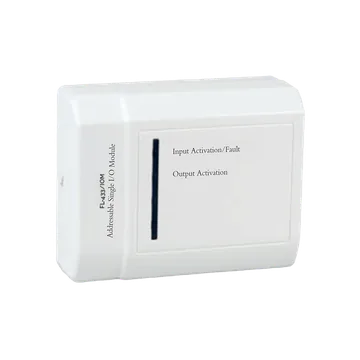
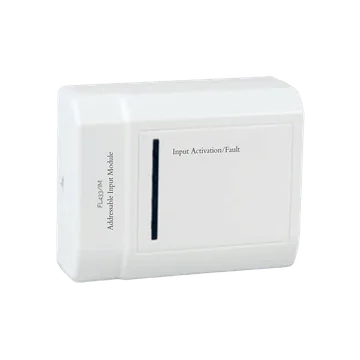
Loop powered addressable module with one monitored input circuit, used to watch a contact from the fire alarm loop. Approved by BSI to EN 54-17 and EN 54-18, in a standard back box version (TI-002221) and a smaller mini mount (TI-002295).
Addressable module with one relay output switching volt free changeover contacts rated 2 A at 30 V DC, for controlling other equipment from the fire panel. BSI approved to EN 54-17 and EN 54-18, in standard (TI-002220) and mini mount (TI-002297) versions.
Addressable module with one monitored input and one supervised output, the output rated 2 A at 30 V DC. BSI approved to EN 54-17 and EN 54-18, in standard (TI-002222) and mini mount (TI-002298) versions.
Addressable module that monitors one input and switches volt free changeover relay contacts rated 2 A at 30 V DC. BSI approved to EN 54-17 and EN 54-18, in standard (TI-002223) and mini mount (TI-002299) versions.
Addressable module with one monitored (supervised) output circuit and provision for switching an external power input, rated 2 A at 30 V DC. BSI approved to EN 54-17 and EN 54-18.
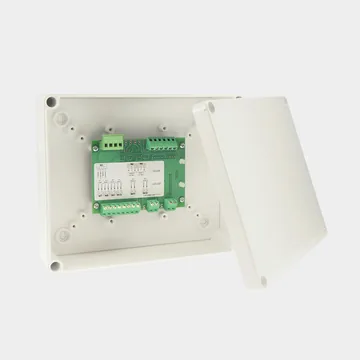
Addressable module with 4 monitored inputs and 4 relay outputs in one box, for places that need several inputs and outputs together. Approved to EN 54-17 and EN 54-18 and certified by IMQ.
Addressable module with 4 monitored inputs, 2 relay (form C) outputs and 2 supervised outputs in one box. Approved to EN 54-17 and EN 54-18 and certified by IMQ.
Addressable module that monitors one conventional zone circuit with up to 20 conventional devices, so a conventional zone can join an addressable loop. It has one relay output rated 2 A at 30 V DC and is approved to EN 54-17 and EN 54-18 with IMQ certification.
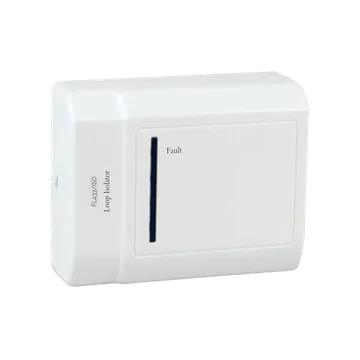
Loop powered module that opens the loop automatically when it detects a short circuit, so the fault does not take down the whole loop, and resets itself once the short is cleared. It can cut off up to 32 Intelli-Sense Lite devices and is designed to EN 54-17.
Small end of line module for the Rapid-Sense manual release switch circuit, measuring 38 x 27 x 15 mm.
A module that monitors one input and switches one relay output on the FYRLAAST addressable loop, with a 3 A relay contact.
A module that brings a contact from other equipment onto the FYRLAAST addressable loop, so the panel can report its status.
A loop isolator that separates the faulty part of the loop when a short circuit occurs and resets itself once the fault is cleared.
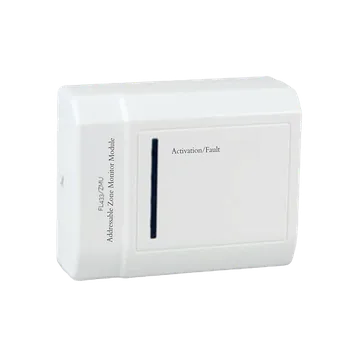
A module that connects a circuit of conventional devices to the FYRLAAST addressable loop, with up to 20 conventional devices per module.
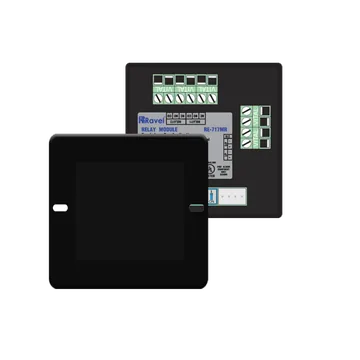
An analogue addressable relay module with two potential free contacts for switching third party systems from the Avani panel.
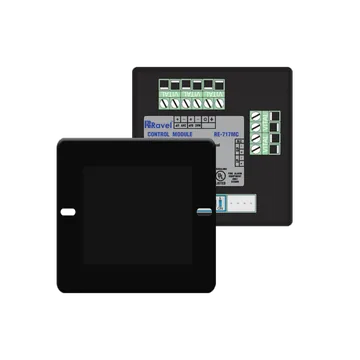
An analogue addressable control module that drives conventional sounders, sounder strobes, strobes or bells, supervising both the output circuit and its power input.
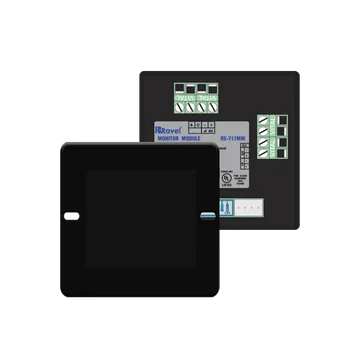
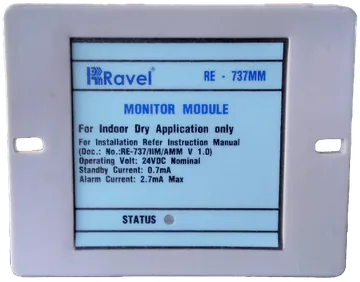
An analogue addressable monitor module that reports when a third party contact changes from normally open to closed, with the connected circuit supervised.
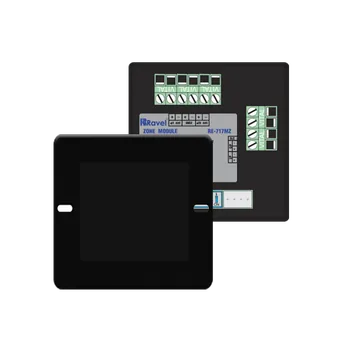
A zone interface module that connects conventional smoke, heat and multi sensor detectors, or a beam detector, to an addressable panel.
A dual address module that both monitors and controls a single third party system, with a supervised input circuit.
A non addressable isolator module that limits a single short circuit on the addressable loop to one section. Ravel advises one for every 16 devices.
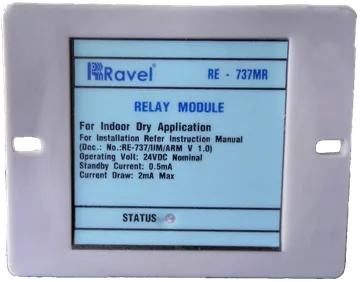
An analogue addressable relay module for the MonitI single loop panel, with a built in isolator.
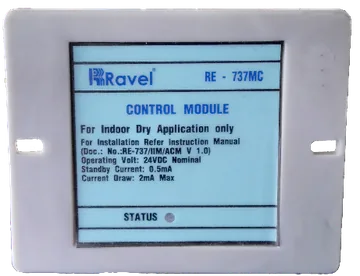
An analogue addressable control module for the MonitI single loop panel, with a supervised output circuit and a built in isolator.
An analogue addressable monitor module for the MonitI single loop panel, with a built in isolator.
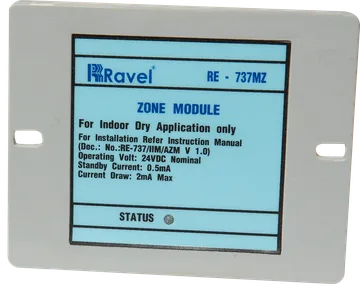
An analogue addressable zone module for the MonitI single loop panel, with a built in isolator and an external 24 V DC supply.
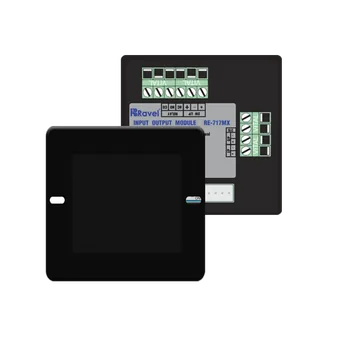
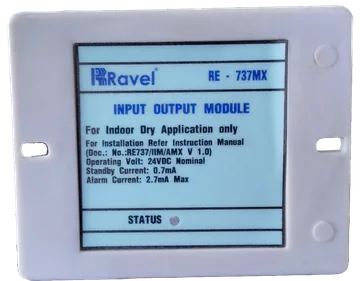
An analogue addressable input output module for the MonitI single loop panel, with a built in isolator.
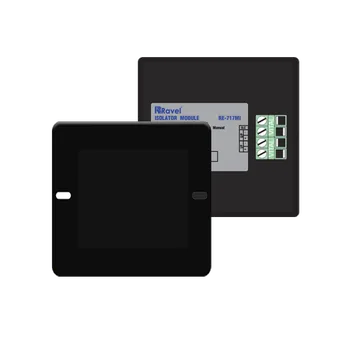
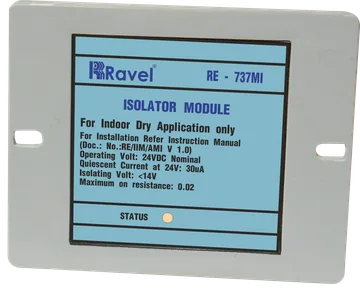
A loop isolator module for the MonitI single loop panel that limits a short circuit to one section of the loop.
A bidirectional isolator built into a detector base, so a single short circuit on the loop only affects the section where it occurs. Ravel advises one for every 16 devices.
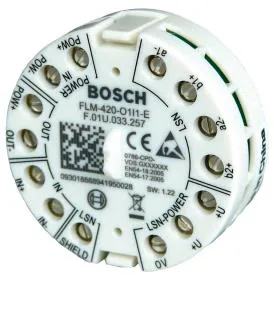
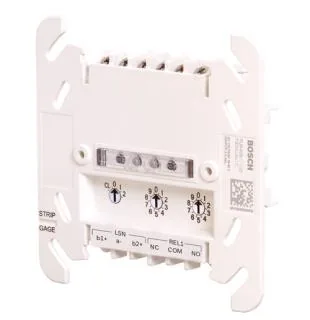
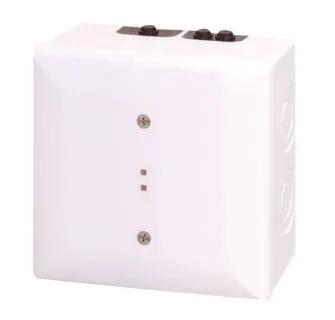
A 2-wire LSN element for LSN improved systems that monitors up to two inputs, offered as a wall-mount type with cover, a built-in type and a DIN rail type.
A 2-wire LSN element with one open collector output to control external devices and one monitored input, as a built-in or DIN rail version.
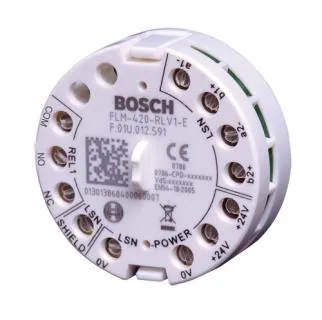
A built-in 2-wire LSN element with one change-over relay that provides a potential-free output contact for low voltage loads.
The DIN rail version of the FLM-420-RLV1, a 2-wire LSN element with one change-over relay for a potential-free output contact.
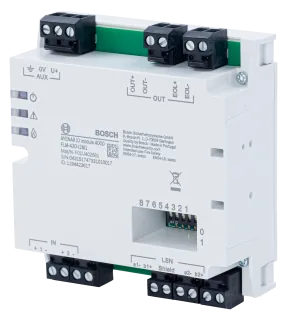
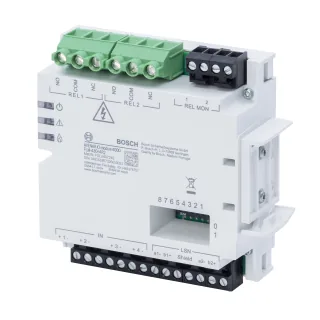
An LSN interface module with two 230 V relay outputs to control external equipment such as smoke dampers or fans, in a surface-mount housing or with a DIN rail adapter.
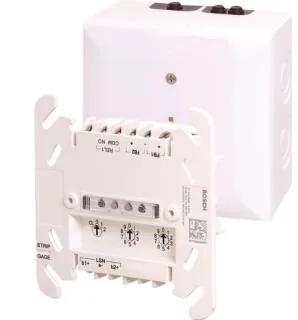
An LSN module that monitors and activates one line of conventional sounders, strobes or horns, in a surface-mount housing or with a DIN rail adapter.
A module that connects conventional detectors to Bosch LSN fire panels through a 4-wire LSN supply with external power, in a surface-mount housing or a DIN rail type.
A 2-wire LSN element that monitors up to eight inputs and adds one change-over relay for a potential-free output contact.
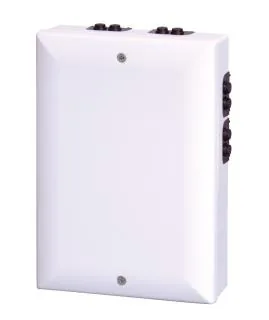
A 2-wire LSN element with eight outputs to control external devices and two monitored inputs, in a surface-mount housing.
A 2-wire LSN element with eight change-over relays that provide potential-free output contacts, in a surface-mount housing.
An interface module with two inputs and one monitored output, for controlling signalling devices or fire protection equipment such as fire dampers and door holders.
An interface module with four inputs and two relay outputs for 230 VAC and 24 VDC applications such as conventional 4-wire detectors, fire dampers, door holders and smoke control dampers. Bosch's page gives no technical data table for it.
An LSN module for the supervised monitoring and activation of extinguishing systems connected to the Local SecurityNetwork.
An LSN isolator that cuts off the alarm zone with a short circuit so the rest of the network keeps working.
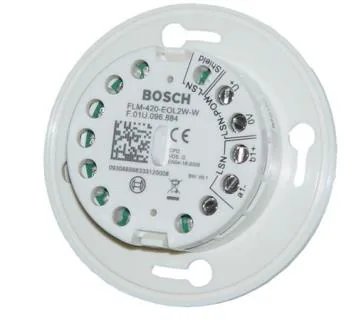
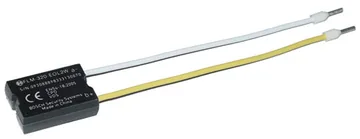
An end-of-line module that terminates a 2-wire LSN line for Extended Line Supervision (ELS) and reports primary line faults to the fire panel.
An end-of-line module that terminates a 4-wire LSN line for Extended Line Supervision (ELS) and reports primary line and AUX line faults to the fire panel.
A small end-of-line module that terminates a 2-wire conventional detection line for Extended Line Supervision (ELS).
An addressable module with one monitored input for a potential-free contact and one output for decentralised control of fire doors, ventilation and air conditioning.
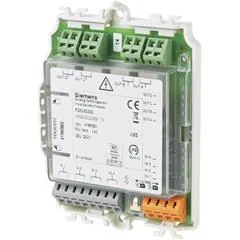
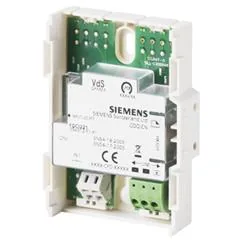
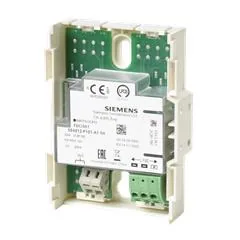
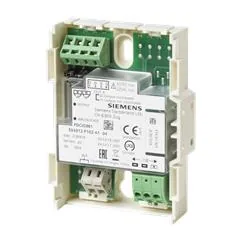
An addressable module with 4 independent monitored inputs and 4 potential-free relay outputs rated AC 250 V / 4 A for fire control installations.
A transponder with 2 configurable inputs/outputs that connects collective detector lines and gives monitored control of dampers, door magnets, alarm devices and extinguishing activation devices.
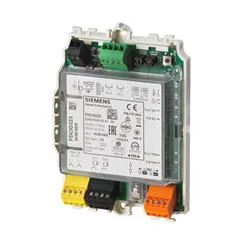
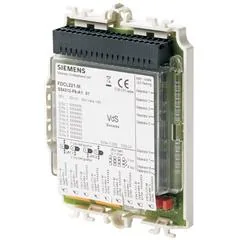
An addressable module with 4 inputs and 4 relay outputs for connecting the VdS interface of extinguishing activating devices.
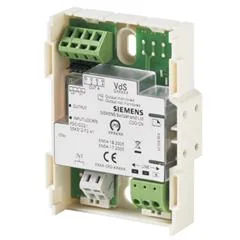
An addressable module with one monitored input for a potential-free contact, for technical states or alarms such as a sprinkler alarm.
An addressable module with 4 independent monitored inputs for potential-free contacts, for technical states or alarms.
A zone module that connects one collective or conventional detector line to C-NET, with the detector line powered from an external DC 24 V supply.
An electronic switch on the FDnet or C-NET line that separates a short-circuited section, used where several stub lines branch off at one point.
A module with 9 line separators for several stub lines branching off at one point, which can also connect to 2 separate loops.
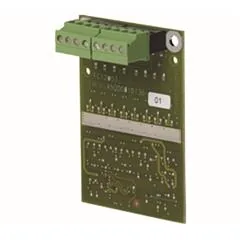
A line adapter that electrically isolates Ex and non-Ex lines, so FDnet-Ex and C-NET-Ex devices can run in potentially explosive areas.
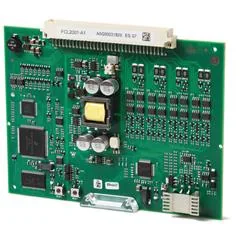
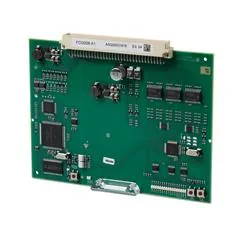
A plug-on board that doubles the connectable loops of an integrated panel line from 2 to 4, without changing the number of addresses per station.
An additional line card for the card cage of modular fire control panels, adding FDnet or C-NET lines for 4 loops or 8 stub lines.
A network module that links several fire control panels in an FCnet or C-WEB cluster, plugged into the back of the operating unit.
An additional card with programmable inputs and outputs that expands the integrated I/O of modular fire control panels.
The Cerberus FIT single input module on C-NET, for one potential-free contact reporting a technical state or an alarm.
The Cerberus FIT input/output module on C-NET, with one monitored input and one output for controlling fire doors, ventilation and air conditioning.
An addressable dual input module from the newer Morley input/output module platform, listed with the Morley Max panels.
An addressable module with two inputs and one output from the newer Morley input/output module platform, listed with the Morley Max panels.
An addressable module from the newer Morley input/output module platform, listed with the Morley Max panels. The maker's page gives it the same subtitle as the MI-DCMOE and links no datasheet, so FPS confirms its function for your design before supply.
An addressable single output module from the newer Morley input/output module platform, listed with the Morley Max panels.
Every module must use the loop protocol of your panel, so choose by panel make first. Agni modules suit FYRLAAST loops; Apollo Intelligent modules work with XP95, Discovery and CoreProtocol, and Apollo XP95 modules with XP95 and Discovery; Bosch FLM modules run on LSN; Ceasefire modules on Intelli-Sense; Morley by Honeywell MI modules on DXc, ZXSe and Max panels and the HM UL versions on Morley UL panels; Notifier modules on FlashScan or CLIP loops; Ravel RE-717 modules on Avani and RE-737 modules on MonitI panels; Siemens modules on FDnet or C-NET; and System Sensor modules on CLIP and Advanced protocol loops. Many are certified to EN 54-18 (input and output devices) and EN 54-17 (short circuit isolators), while most Notifier modules are UL listed and FM approved.
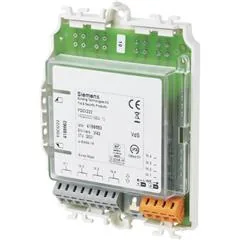
Then pick by job. To watch a contact such as a flow switch or a plant fault output, use an input or monitor module: Apollo switch monitors add priority settings and a switchable time delay for flow switches, and mini monitors from Notifier, Morley by Honeywell and System Sensor fit inside a junction box or behind the monitored device. To control equipment, use a relay or output module and check its rating against the load: many low voltage relays are rated 2 A at 30 V DC, while mains loads need a module such as the Bosch FLM-420-RHV (two 230 V relays), Morley MI/D240CMO (5A at 240 Vac), System Sensor M201EA-240, Apollo 250V AC module or Siemens FDCIO222 (four relays, AC 250 V / 4 A). Where many points meet, multi-way modules save addresses and wiring: the Apollo three channel module, Ceasefire multiway modules, Bosch octo modules with eight inputs, outputs or relays, and System Sensor CR-6, SC-6, CZ-6 and IM-10.
To add conventional detectors to an addressable loop, use a zone module: the Agni, Apollo XP95 and Ceasefire zone modules each take up to 20 devices, Ravel's zone module also connects beam detectors, and the System Sensor CZR versions accept intrinsically safe conventional detectors. To drive conventional sounders, strobes or bells, use a sounder or notification circuit module such as the Apollo XP95 AV control module, Bosch FLM-420-NAC, Notifier FCM-1 or Ravel control modules. Fit isolators at intervals so a short circuit takes out only the section between two of them, following the maker's spacing: up to 70 devices between Agni isolators, 25 between Morley UL isolators, and one per 16 devices on Ravel loops. Many System Sensor, Apollo, Ceasefire, Ravel and Bosch modules have isolators built in.
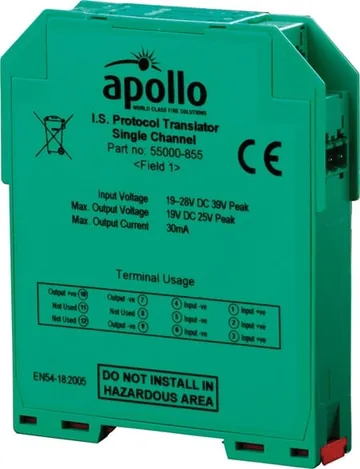
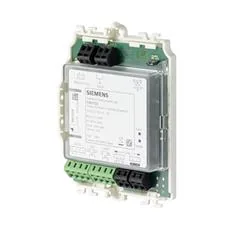
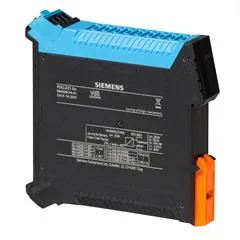
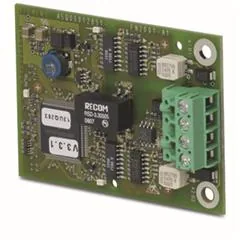
Finally, check mounting and special jobs. DIN-rail versions from Morley by Honeywell, System Sensor, Apollo, Bosch and Siemens fit inside other panels, and Ceasefire mini mount versions fit inside other enclosures. For extinguishing systems, the Bosch FLM-420-RLE-S and Siemens FDCIO224 connect extinguishing controls, and the Notifier FCM-1-REL drives release solenoids with an arm and confirm protocol. The Ceasefire Commander links an Intelli-Sense network to a BMS over BACnet or Modbus, the Notifier FMM-4-20 reads 4 to 20 mA gas and temperature sensors, and the Apollo addressable door retainer (200N) lets the panel close fire doors in the areas in alarm. For hazardous areas, Apollo supplies XP95 and Orbis I.S. galvanic barriers and a SIL2 protocol translator, and Siemens the FDCL221-Ex line adapter. Siemens also lists panel cards here, such as the FCI2003-A1 loop extension that takes an integrated line from 2 to 4 loops.

We handle your complete Fire NOC application and renewal: documentation, liaison with the MP Fire Department and compliance support.
Try "landing valve", "Apollo call point", "9 kg ABC" or a model code.
No products yet. Tap "Add to quote" on any product, then send the whole list to us in one WhatsApp message.