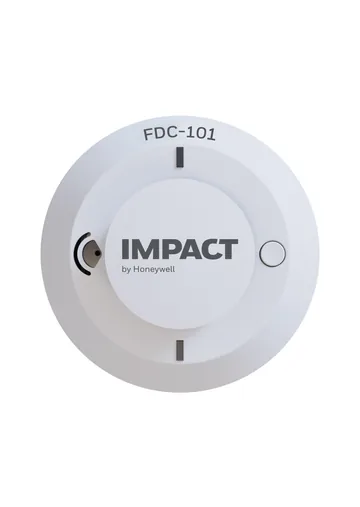
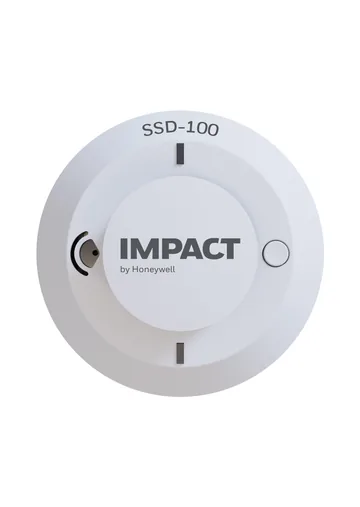
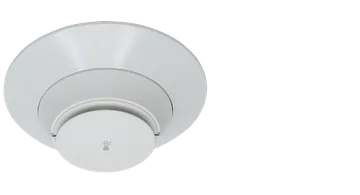
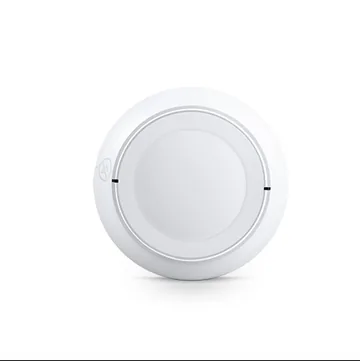
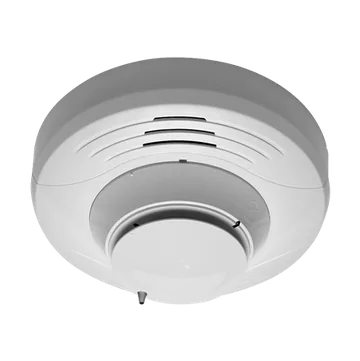
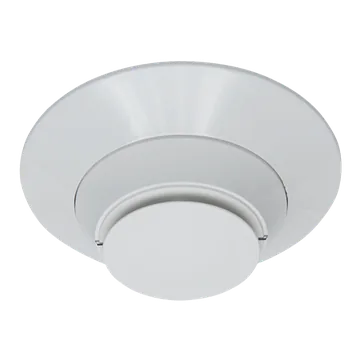
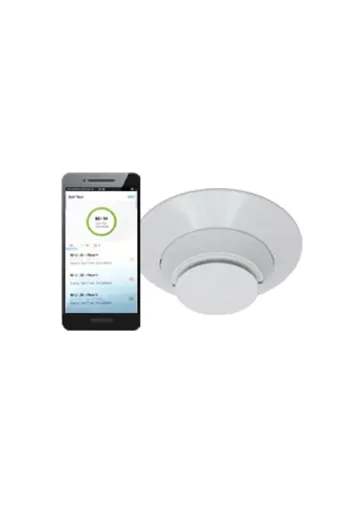
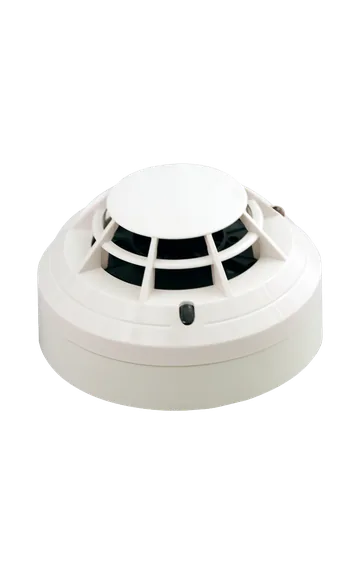
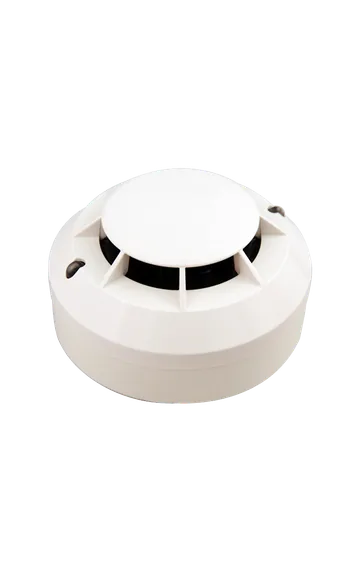
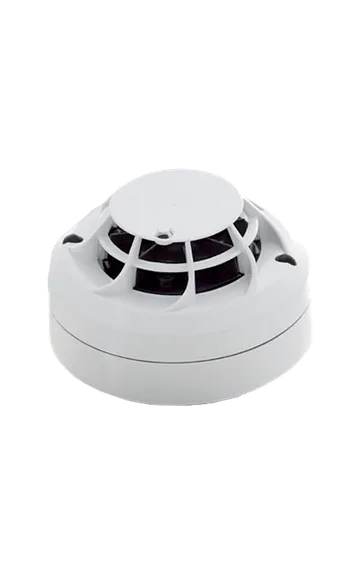
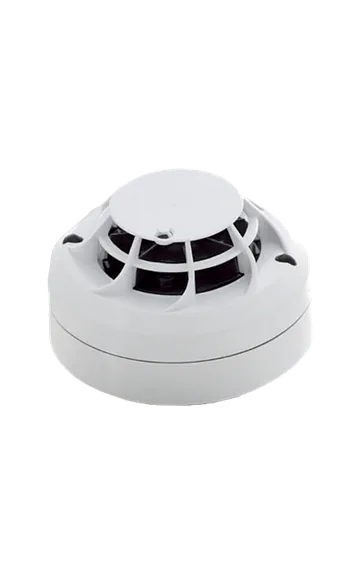
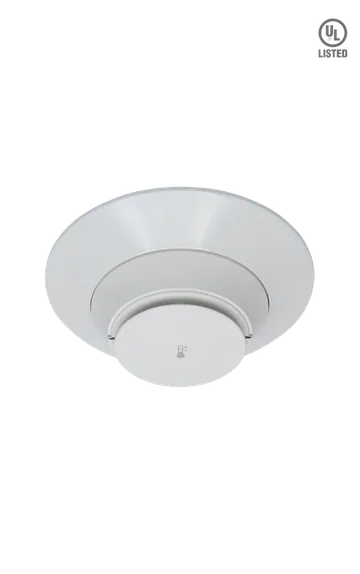
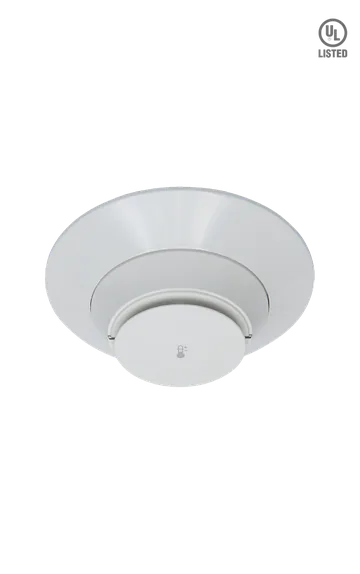
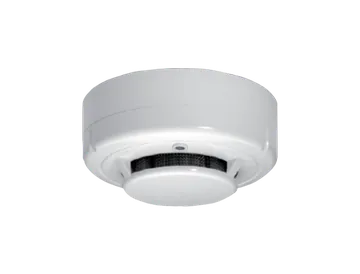
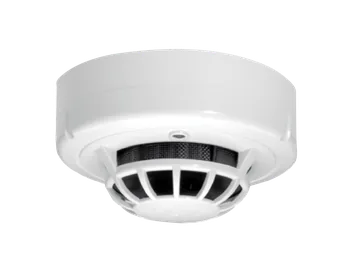
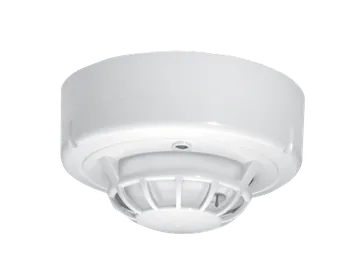
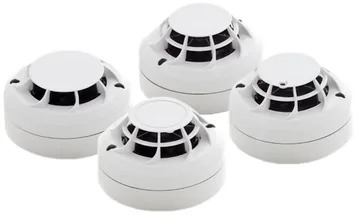
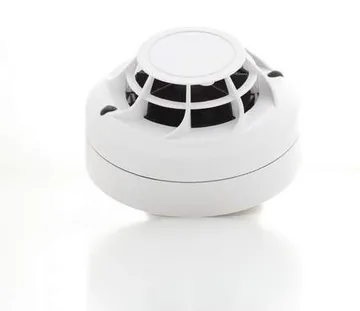
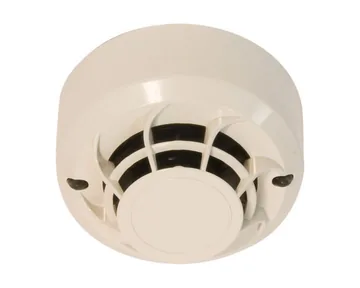
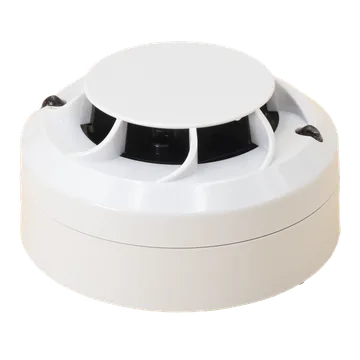
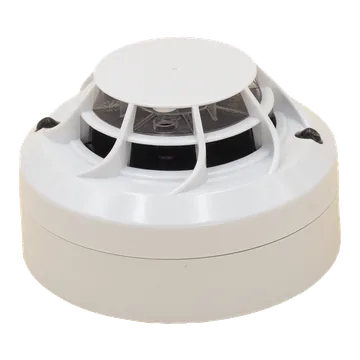
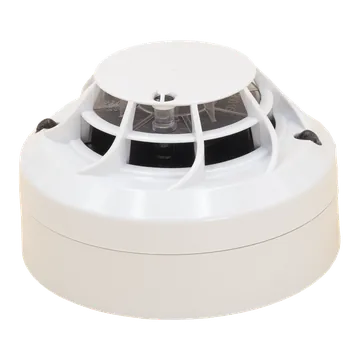
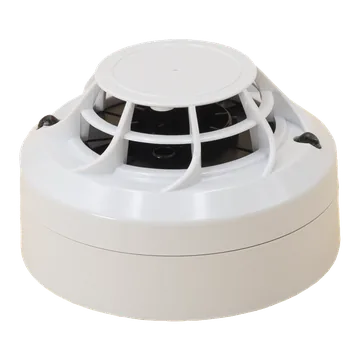
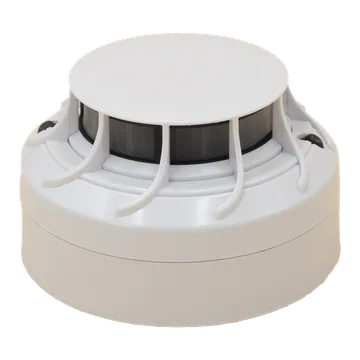
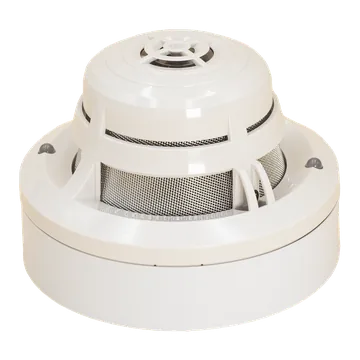
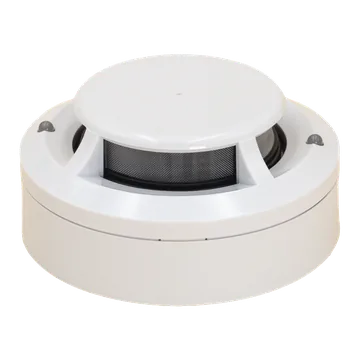
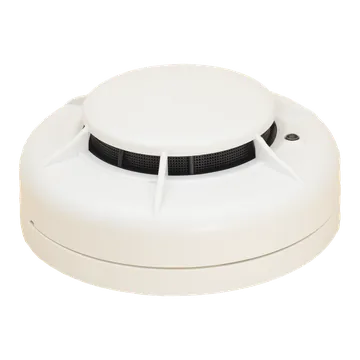
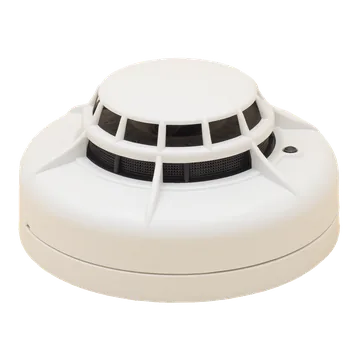
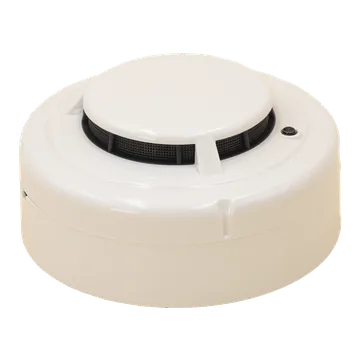
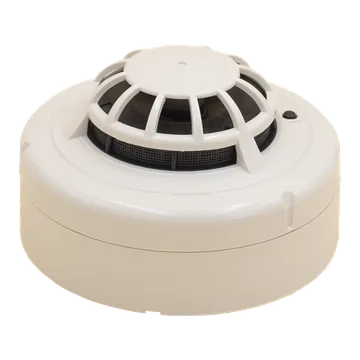
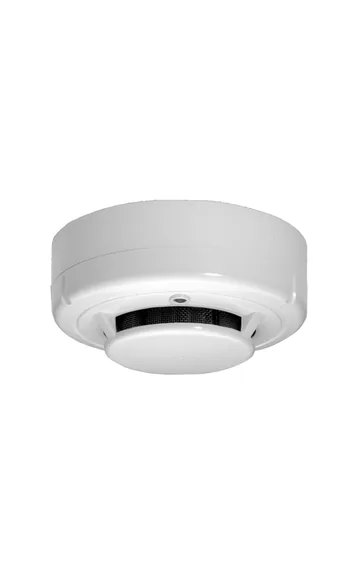
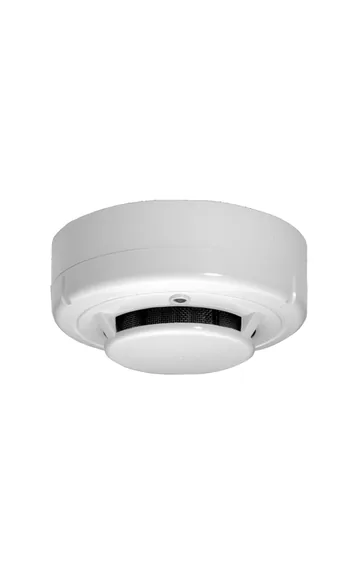
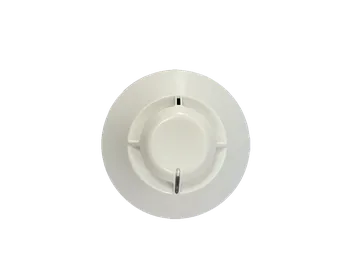
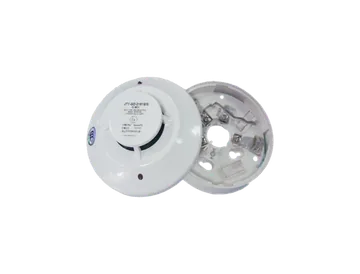
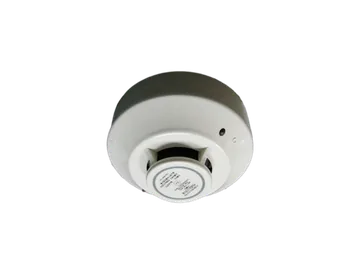
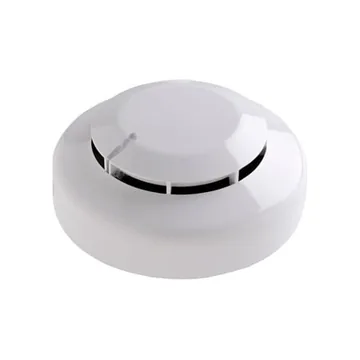
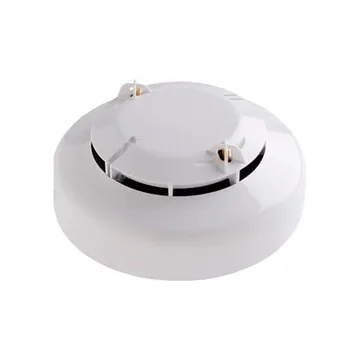
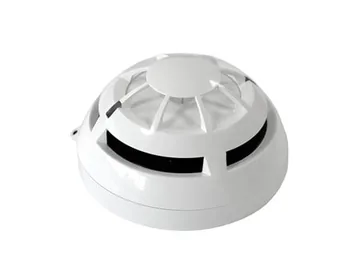
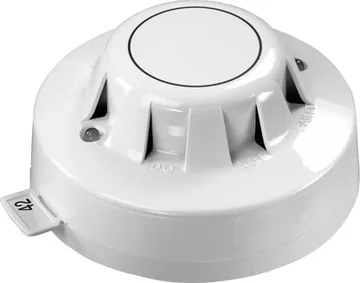
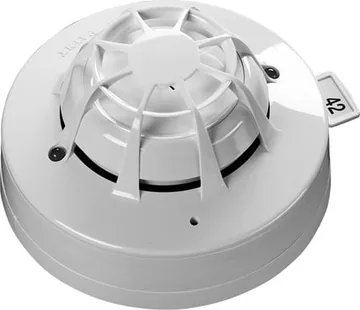
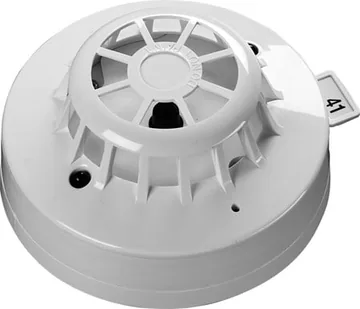
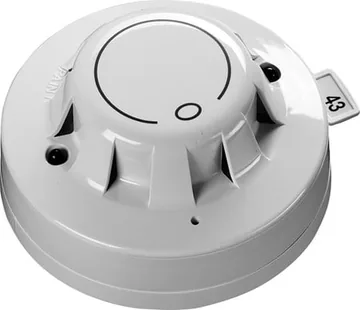
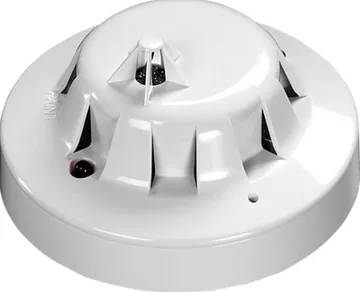
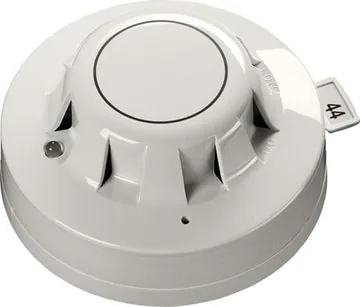
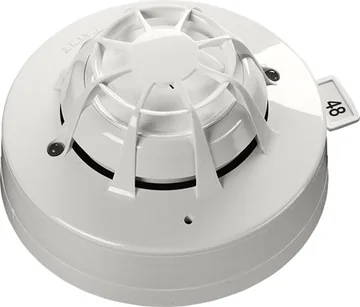
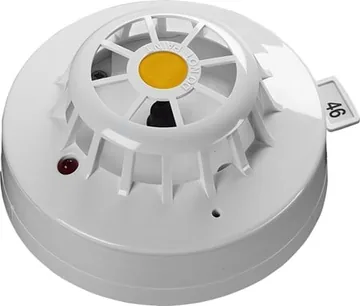
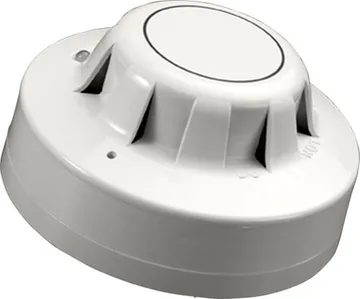
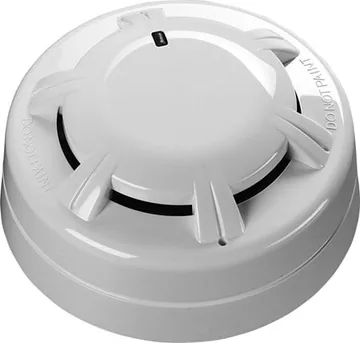
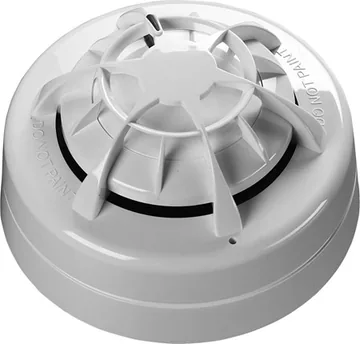
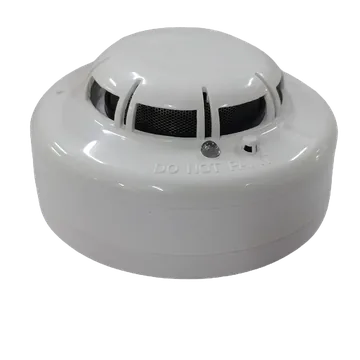
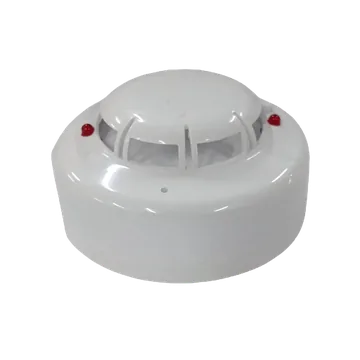
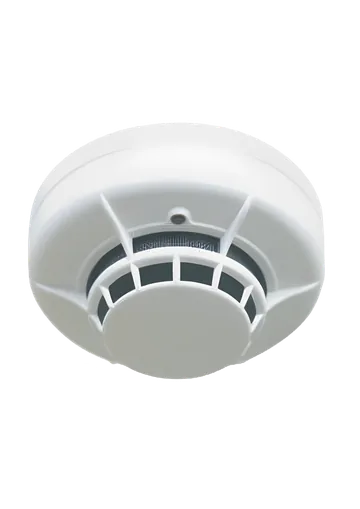
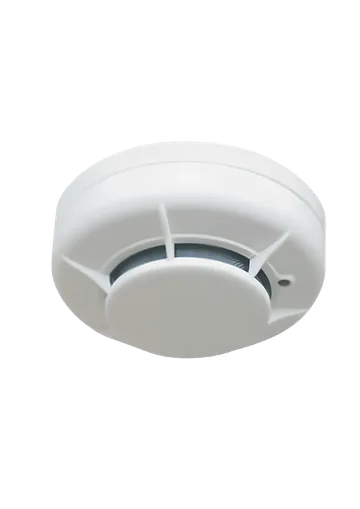
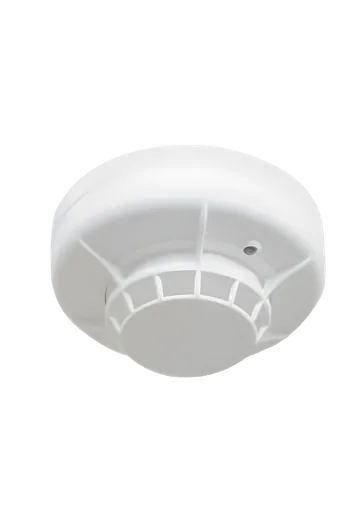
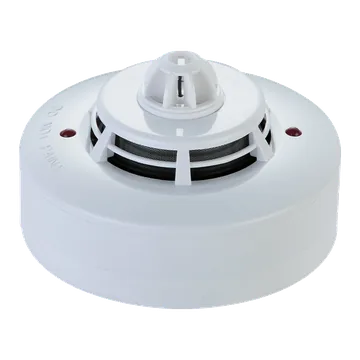
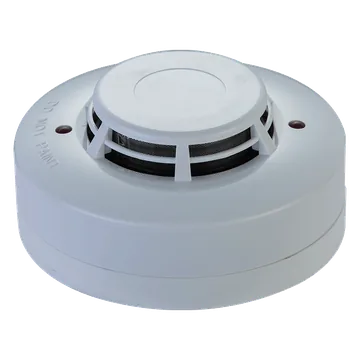
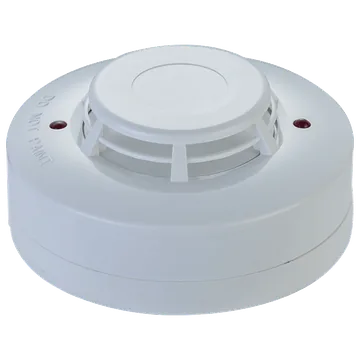
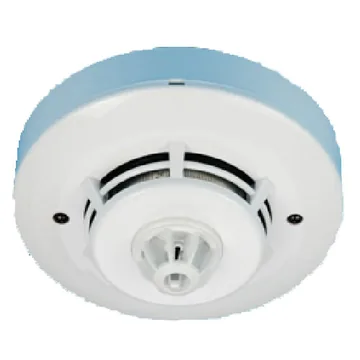
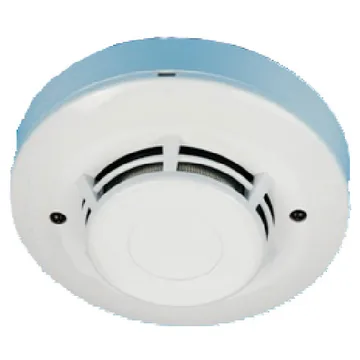
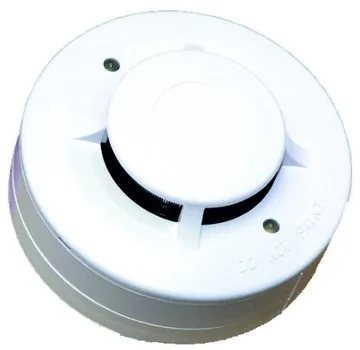
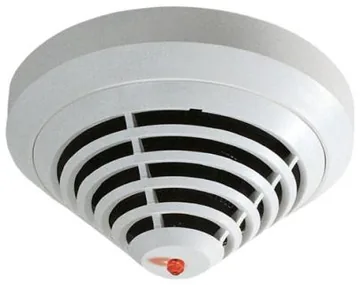
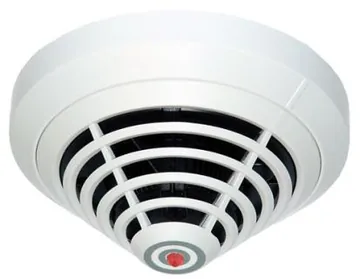
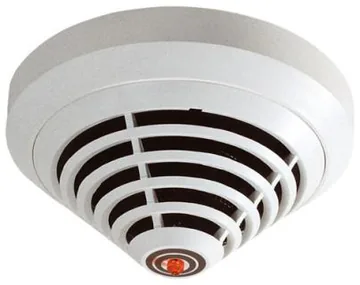
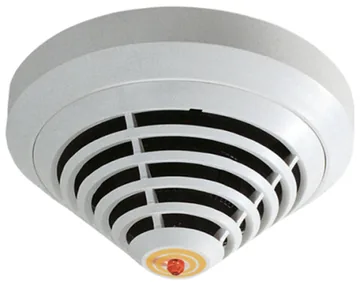
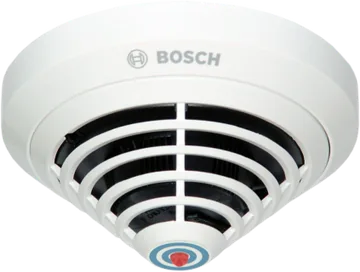
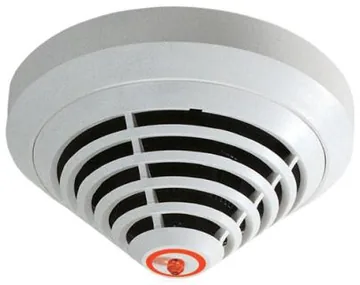
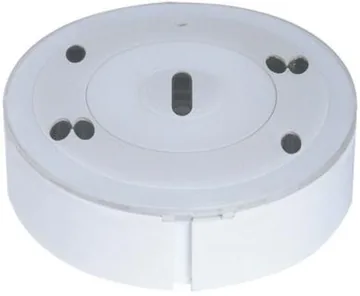
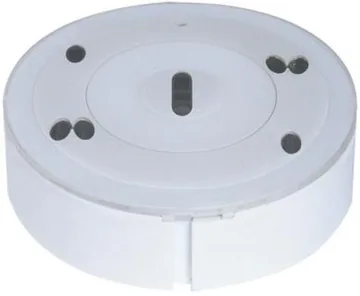
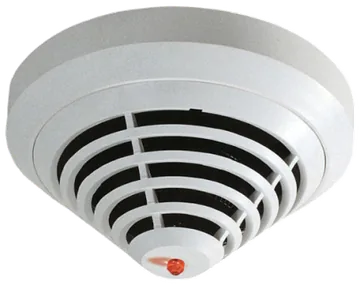
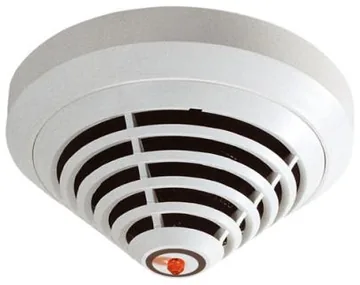
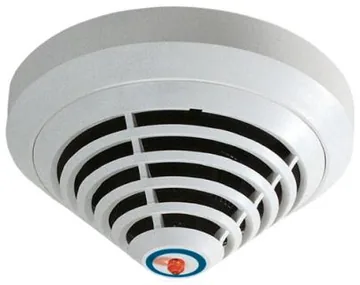
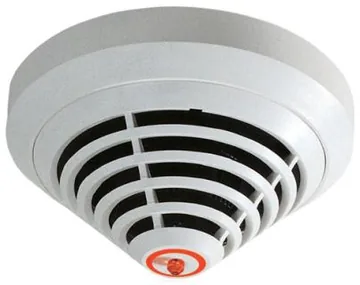
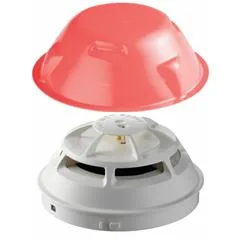
Start with the control panel, because a detector must work on the panel's system. Addressable detectors report their own address over a loop protocol, so each range goes with its own panels: Apollo Soteria, Discovery and XP95, Agni FYRLAAST, Bosch AVENAR detector 4000 and FAP-520 (LSN), Ceasefire Intelli-Sense, Morley by Honeywell for DXc, ZXSe, Morley Max and Morley UL panels, Notifier FSP-951 and FST-951, Ravel multi loop and MonitI single loop, Siemens Cerberus PRO, Cerberus FIT and Sinteso, and System Sensor Series 200 Advanced. Conventional detectors report by zone only: Agni, Apollo Series 65, Orbis and AlarmSense, Bosch FCP-320 and FCP-500, Ceasefire, Morley Lite, Ravel, Siemens Cerberus FIT conventional and System Sensor ECO1000, Series 300 and Vision. On conventional zones, match the alarm resistor the panel expects (Bosch FCP-320 comes in 820 ohm or 470 ohm versions); Morley Lite and some System Sensor Series 300 heads fit existing Series 100 bases. Soft-Chip detectors connect to Soft-Chip panels.
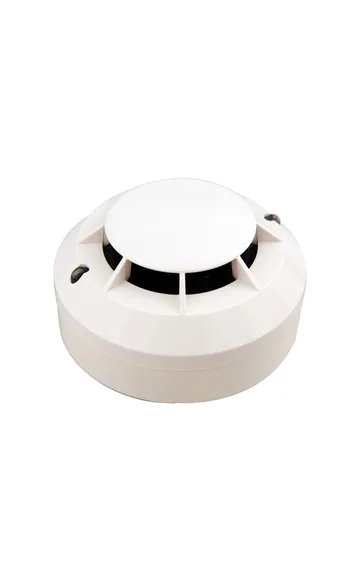
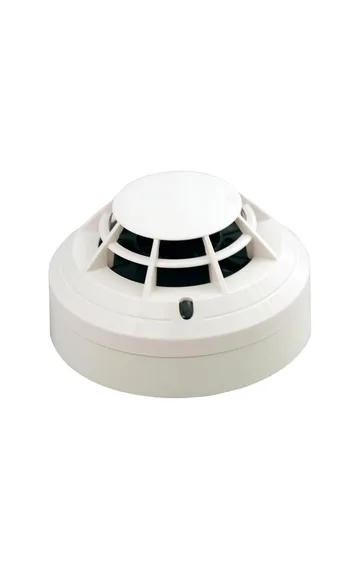
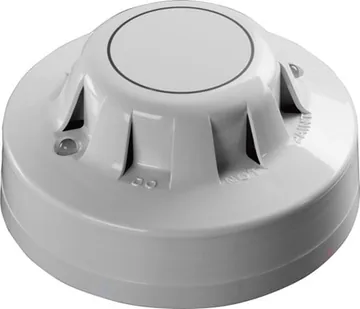
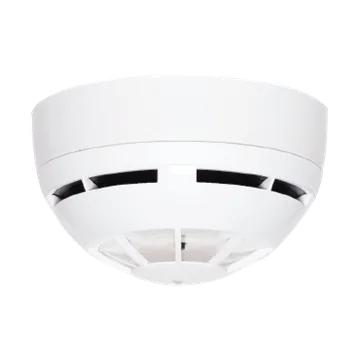
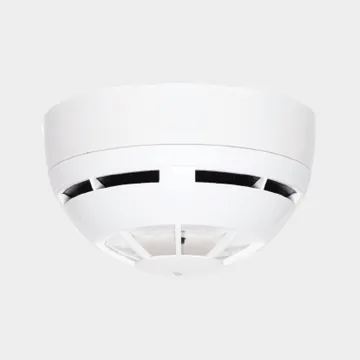
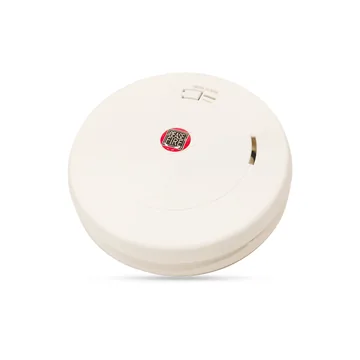
Then choose the sensing method for each room. Optical (photoelectric) smoke detectors respond well to slow burning, smouldering fires and suit bedrooms, corridors and escape routes. Multi-sensors that add heat sensing to an optical chamber respond to both fast flaming and slow smouldering fires with fewer false alarms, and several makers offer them as an alternative to ionisation detectors. For harder rooms there are multi-criteria heads with carbon monoxide (CO) sensing, such as the Apollo Soteria tri-sensor, Bosch FAP-425-DOTC-R, Siemens OOHC740 and FDOOTC241, Notifier FCO-951 and System Sensor 2251CTLE COPTIR, and photo, thermal and infrared detectors from Notifier, Morley by Honeywell and System Sensor. Where very early warning matters, the System Sensor HS200 and Notifier FSV-951R are high sensitivity smoke detectors. Heat detectors are for kitchens, boiler rooms, car parks and dusty, smoky or steamy areas where a smoke detector would give false alarms.
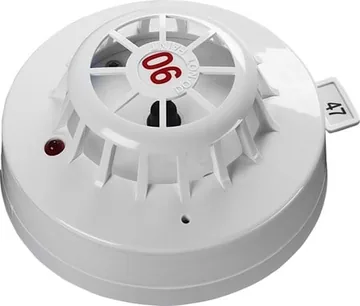
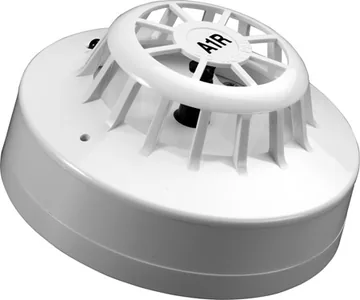
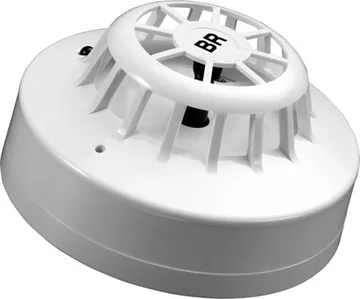
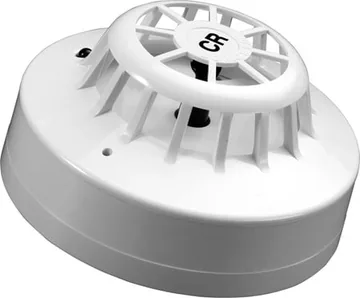
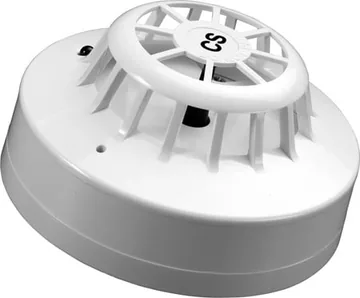
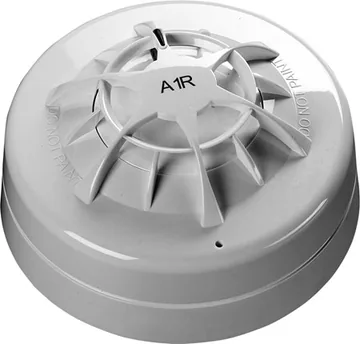
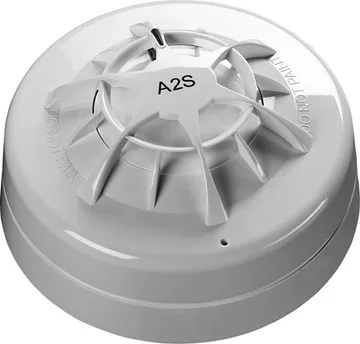
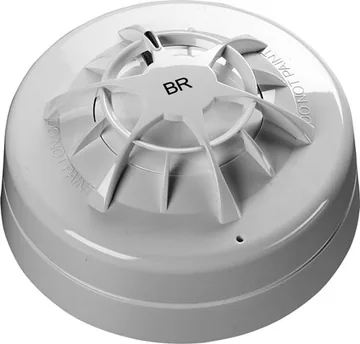
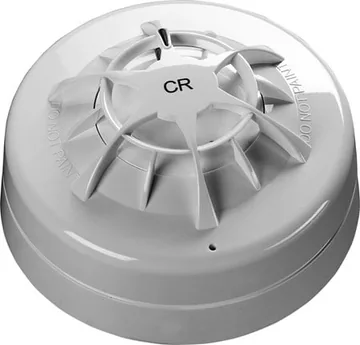
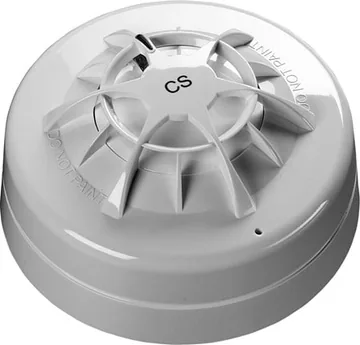
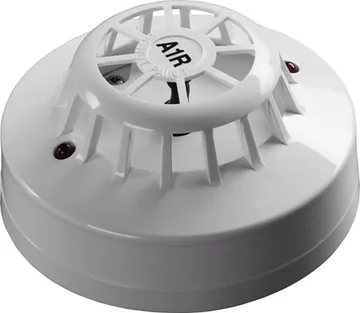
Heat detectors are graded by EN 54-5 class. Class A1 is the lowest temperature band, class B suits areas warmer than a normal room and class C suits areas with higher normal temperatures; an R adds response to a fast rise in temperature, while S means a fixed temperature only. For example, the Apollo XP95 class A2S detector alarms at 55°C, Morley by Honeywell and System Sensor fixed heat detectors work at 58°C or 78°C, and the Ceasefire TI-002267 alarms at 78 C (class BS). Detectors listed to UL, such as the Notifier FST-951 series, are set at 135°F (57°C) fixed, 190°F (88°C) high temperature or a rise of 15°F (8.3°C) per minute.
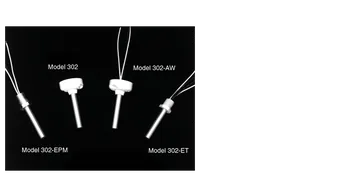
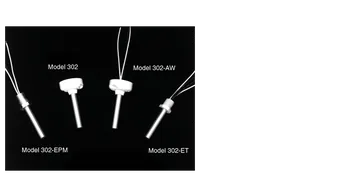
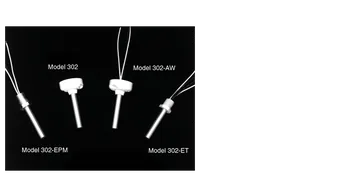
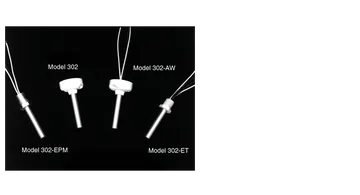
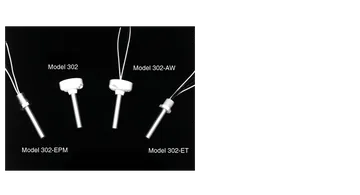
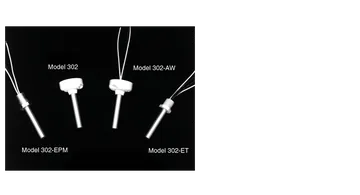
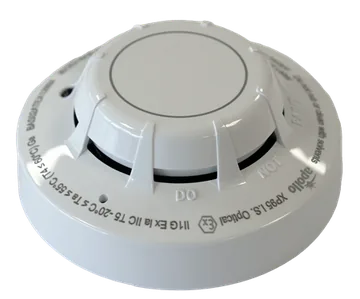
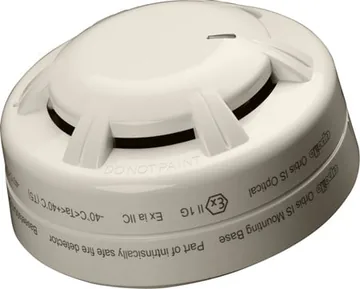
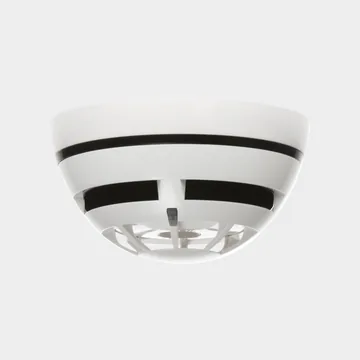
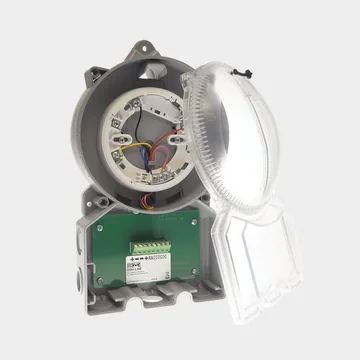
Some sites need a specific model. For hazardous areas there are intrinsically safe detectors (Apollo XP95 I.S. and Orbis I.S., System Sensor 22051EISE, JTY-GD-2151EIS and JTWB-BCD-5151EIS) and the explosion-proof Notifier 302-EPM heat detector. For ducts, the Ceasefire TI-002229 housing samples air at 0.5 m/s to 2.0 m/s, and the Notifier FSP-951 and Morley by Honeywell HM/PSE/UL/W are UL listed for duct use. For flush, smooth ceilings there are the Apollo Soteria Dimension, with an anti-ligature version certified to DHF TS001, and the ultra-flat Bosch FAP-520 and FCP-500 detectors. On addressable loops, versions with a built-in isolator stop one short circuit from taking down the whole loop: for example Ceasefire TI-002213 and TI-002215, Morley by Honeywell S2I and I-AP versions, System Sensor isolator versions such as the 22051EI, and Notifier ISO models for FlashScan systems.